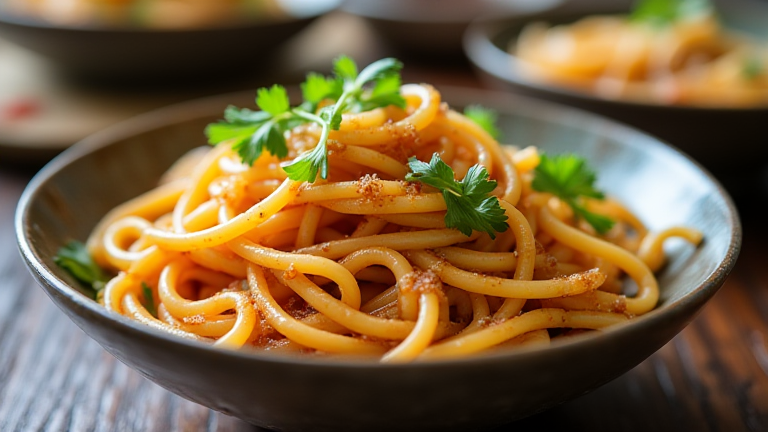
TL;DR: Salmonella is a bacterial pathogen that can contaminate noodles, particularly dried egg noodles or improperly stored fresh pasta. You can handle it safely by cooking all pasta to an internal temperature of 165°F (74°C), maintaining strict hygiene during preparation, and discarding any food that has been left at room temperature for more than two hours.
Understanding the Risk
While most commercially produced dried wheat noodles are heat-treated to kill bacteria, contamination can still occur during manufacturing, packaging, or storage. Fresh egg noodles are particularly susceptible if they are not refrigerated properly. Salmonella causes symptoms like diarrhea, fever, and stomach cramps, which typically appear six hours to six days after ingestion. Although rare, severe cases can lead to hospitalization, especially in young children, older adults, and those with weakened immune systems. Therefore, treating every batch of noodles with caution is the safest approach.
If you want to dig deeper, check out our guide on Why I Switched from MacBook Pro to a Windows Laptop.
Step-by-Step Safety Guide
Step 1: Inspect and Store Properly
Before cooking, check the packaging for damage or bulging, which may indicate bacterial growth. Store dried noodles in a cool, dry place away from moisture. If you have opened a package, transfer the contents to an airtight container to prevent exposure to pests and contaminants. For fresh or homemade noodles, refrigerate immediately and use within the manufacturer’s recommended timeframe, usually two to three days.
Step 2: Practice Hand Hygiene
Wash your hands with soap and warm water for at least twenty seconds before handling any food. This is crucial because bacteria can transfer from surfaces to your hands and then to the food. Ensure your hands are dry before touching clean utensils or packaging to avoid re-contamination.
Step 3: Prepare the Cooking Environment
Clean and sanitize all surfaces, cutting boards, and utensils that will come into contact with the noodles. Use separate boards for raw ingredients if you are preparing a complex meal involving meat or eggs. Avoid cross-contamination by never placing cooked noodles on a surface that held raw meat or unwashed vegetables.
Step 4: Cook to the Correct Temperature
Boil the noodles in water that has reached a rolling boil. For standard dried noodles, follow package instructions, but always verify doneness by taste and texture. For fresh egg noodles or any dish involving raw eggs, ensure the final dish reaches an internal temperature of 165°F (74°C). Use a food thermometer to be certain, as visual cues alone are not reliable indicators of bacterial elimination.
Step 5: Cool and Store Safely
If you are not eating the noodles immediately, cool them down rapidly. Do not leave cooked noodles at room temperature for more than two hours (or one hour if the ambient temperature is above 90°F/32°C). Refrigerate leftovers in shallow, airtight containers to promote even cooling. Reheat leftovers thoroughly to 165°F (74°C) before serving. Discard any noodles that have an off smell, slimy texture, or unusual color.
Pro Tips for Prevention
Always buy noodles from reputable suppliers and check expiration dates. If you suspect contamination, do not taste the food to confirm. When in doubt, throw it out. Keeping your kitchen organized and clean is the best defense against foodborne illness. Regularly clean your refrigerator to prevent bacterial buildup on shelves and door seals. Educate family members about safe food handling practices to create a culture of food safety in your home.
FAQ
Q: Can boiled water kill Salmonella in noodles?
A: Yes, boiling water at 212°F (100°C) will kill Salmonella bacteria, provided the noodles are cooked for the recommended duration to ensure heat penetrates the center of the pasta.
Q: How long can cooked noodles stay out before they become unsafe?
A: Cooked noodles should not be left at room
Leave a Reply