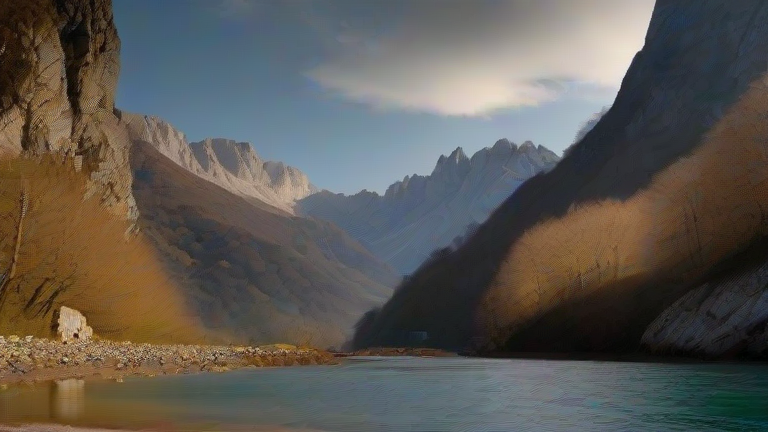
TL;DR: Picos de Europa is a manageable three-day escape combining dramatic granite peaks, authentic Asturian cuisine, and slow-paced mountain culture. This guide outlines the essential logistics for a memorable, low-stress visit to Spain’s most rugged national park.
Nestled in the heart of northern Spain, the Picos de Europa National Park is often overlooked by travelers who flock to the coast or the cities. However, for those seeking a profound connection with nature and a step away from the digital noise, this mountain gem offers an unparalleled experience of tranquility and raw beauty. The park is divided into three distinct massifs, each with its own character, yet united by a shared history of shepherding, resilience, and breathtaking alpine scenery. A quick visit does not mean a rushed one; it means focusing on the essentials that define the region’s soul.
If you want to dig deeper, check out our guide on Salmonella in Noodles? Here’s How to Handle It Safely.
Navigating the Terrain
Access to the park is best achieved by car, allowing you to explore the winding roads that connect the small, whitewashed villages. The central massif is the most accessible and offers the most iconic views, including the famous Cares River gorge. For a quick visit, base yourself in Potes or Cabañón. From Potes, you can drive to the Fuente Dé cable car, which provides a panoramic view of the entire range. The ride up is short but impactful, offering a perspective that ground-level hiking simply cannot match. If you prefer to get your heart rate up, the path along the Cares River is a gentle, flat hike that runs between Poncebos and Caín. It is a perfect introduction to the landscape, requiring no technical skill but rewarding hikers with constant visual stimulation from the towering cliffs above.
Do not underestimate the weather. Even in summer, temperatures can drop significantly at altitude, and sudden rain showers are common. Layering is key. Bring a waterproof jacket, sturdy hiking boots, and warm layers. The weather here changes rapidly, and being prepared is the difference between a magical day and a miserable one. Check the local forecasts daily, as trails can become slippery or closed during heavy rain. Respect the local environment by staying on marked paths and carrying out all your waste. The park is a protected area, and its pristine nature relies on the responsibility of every visitor.
Flavor and Tradition
A visit to Picos de Europa is incomplete without tasting the local cuisine. Asturian food is hearty, rustic, and deeply rooted in tradition. Start with “cachopo,” a thick slab of beef, often stuffed with cheese and ham, served with crispy potatoes. It is a meal that requires two people to finish, making it a perfect social experience. For a lighter option, try “fabada,” a slow-cooked bean stew with chorizo, morcilla, and panceta. The beans are creamy and comforting, a perfect counterbalance to the crisp mountain air. Pair your meal with a local cider, or “sidra.” In Asturias, cider is not just a drink; it is a ritual. Watch the “sidrero” pour the cider from a height into a glass to aerate it properly. It is a refreshing, slightly tart beverage that pairs excellently with the rich meats and cheeses of the region.
The culture here is quiet and reserved. Locals are friendly but value their privacy and the peace of their surroundings. Take the time to sit in a plaza, watch the light change over the mountains, and simply be present. This is a place for personal growth and reflection. The scale of the landscape forces you to shrink, reminding you of your place in the world. It is a humbling experience that many travelers find transformative. Whether you are a seasoned hiker or a casual visitor, Picos de Europa offers a depth of experience that goes beyond the postcard. It is a place to slow down, breathe deep, and reconnect with the natural world. Plan your days with flexibility, allow time for rest, and let the mountains set the pace.
FAQ
Q: How many days are needed for a quick visit to Picos de Europa?
A: Three days is the minimum recommended time to see the key highlights, including a
Leave a Reply