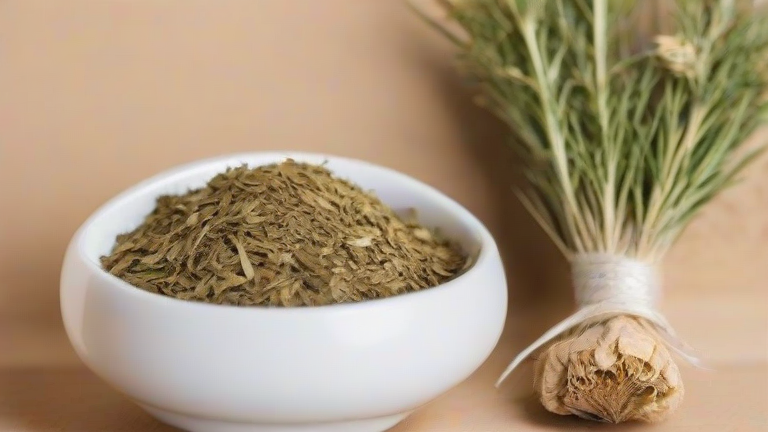
TL;DR: Dried herbs offer concentrated, shelf-stable antioxidants and ease of storage, while fresh brewing provides immediate hydration and higher volatile oil content for acute symptom relief. Choosing between them depends on whether you prioritize long-term convenience and potency or immediate soothing effects and freshness.
The Science of Shelf Stability
When herbs are dried, the removal of water significantly extends their shelf life, allowing for consistent year-round access to botanical remedies. Research indicates that certain phytonutrients, such as flavonoids and polyphenols, remain stable during the drying process, particularly when herbs are stored in dark, airtight containers. This stability means that dried herbs can be a reliable source of antioxidants for daily use. However, the drying process does impact volatile oils. These aromatic compounds, which contribute to the therapeutic properties of herbs like peppermint and eucalyptus, can evaporate if not handled correctly. Therefore, the timing of harvest and the method of drying, such as air-drying versus sun-drying, play critical roles in retaining maximum nutritional value.
If you want to dig deeper, check out our guide on Top 10 Bestselling Air Fryers for Healthy Home Cooking.
Brewing Fresh: Immediate Benefits
Brewing with fresh herbs offers a distinct advantage in terms of immediate bioavailability and sensory experience. Fresh herbs contain higher levels of water-soluble vitamins and essential oils that degrade over time. For instance, a fresh ginger root provides a more potent anti-inflammatory effect compared to its dried counterpart, which is better suited for long-term digestive support. The act of brewing fresh herbs also encourages a mindfulness practice. The ritual of washing, chopping, and steeping fresh botanicals can reduce cortisol levels and promote relaxation, adding a psychological benefit to the physiological one. This holistic approach aligns with modern wellness trends that emphasize the mind-body connection in health practices.
Practical Lifestyle Tips
To maximize the benefits of both methods, consider a hybrid approach. Keep a small stock of high-quality dried herbs for everyday teas like chamomile or lavender, which are robust and retain well. Reserve fresh herbs like mint, basil, or rosemary for specific remedies or culinary uses where flavor and immediate effect are paramount. Always source herbs from reputable suppliers to avoid contamination with pesticides or mold. Store dried herbs in cool, dark places to preserve potency, and use fresh herbs within a few days of purchase. Incorporating these practices into your daily routine ensures you are getting the best of both worlds: the convenience and consistency of dried herbs with the vibrant, immediate benefits of fresh brewing. This balanced strategy supports overall wellness by providing a diverse range of phytonutrients throughout the year.
FAQ
Q: Which is more potent, dried or fresh herbs?
A: It depends on the nutrient; dried herbs often have higher concentrations of certain antioxidants, while fresh herbs contain more volatile oils and water-soluble vitamins.
Q: How should I store dried herbs to maintain quality?
A: Store them in airtight glass jars in a cool, dark place, away from heat sources, to prevent degradation of active compounds.
Q: Can I dry my own herbs at home?
A: Yes, you can air-dry most herbs by hanging them in a dark, well-ventilated area, ensuring they are completely dry before storage to prevent mold.
Leave a Reply