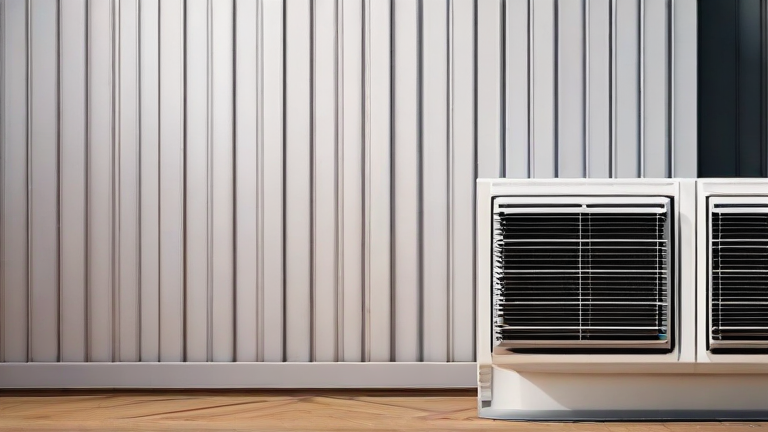
AC Debate: Best Way to Save Money on Cooling
TL;DR: The most effective method to reduce cooling costs is to combine proper insulation with a programmable thermostat. This approach minimizes energy waste while maintaining comfort without requiring expensive equipment replacements.
Managing air conditioning expenses is a common challenge for homeowners, especially during peak summer months. While it might seem necessary to run the system at maximum capacity, doing so often leads to skyrocketing utility bills. By adopting a strategic approach to home cooling, you can significantly lower your energy consumption. The key lies in understanding how your home interacts with your HVAC system. Small adjustments can yield substantial savings over time. This guide provides actionable steps to optimize your cooling efficiency and reduce your monthly bills effectively.
If you want to dig deeper, check out our guide on Will Humanoid Robots Replace Industrial Robots in Factories?.
Step-by-Step Instructions for Efficient Cooling
First, schedule a professional inspection of your HVAC system. Over time, dust and debris accumulate in filters and coils, reducing efficiency. A clean system operates with less strain, consuming less electricity. Replace air filters every one to three months to ensure optimal airflow. Dirty filters force the compressor to work harder, which increases energy usage dramatically. This simple maintenance task is often overlooked but provides immediate benefits.
Next, improve your home’s insulation and sealing. Check windows and doors for drafts using a simple smoke test. Apply weatherstripping or caulk to gaps where air leaks occur. Proper insulation keeps cool air inside and hot air outside. This reduces the workload on your air conditioning unit. Focusing on the attic is crucial, as heat rises and escapes through the roof. Adding insulation here can lower cooling costs by up to fifteen percent.
Install a programmable or smart thermostat. This device allows you to set different temperatures for different times of the day. Program it to increase the temperature by seven to ten degrees when you are asleep or away from home. This “setback” strategy saves energy without sacrificing comfort. Smart thermostats can even learn your habits and adjust automatically. This technology ensures that you are not paying to cool an empty house.
Finally, utilize shade and ventilation. Plant trees or install awnings on the south and west sides of your home to block direct sunlight. Close curtains or blinds during the day to prevent solar heat gain. Use ceiling fans to create a wind-chill effect, allowing you to raise the thermostat setting by two degrees. Fans are far more energy-efficient than air conditioning units. Combine these methods for a comprehensive cooling strategy.
Pro Tips for Long-Term Savings
Consider upgrading to energy-efficient windows if your current ones are old or double-paned. Low-E coatings reflect heat while allowing light to pass through. This upgrade provides a high return on investment over the lifespan of the windows. Additionally, keep your outdoor condenser unit free from vegetation and debris. Plants can block airflow and cause the system to overheat. Regularly clean the fins with a gentle hose spray, being careful not to bend them.
Monitor your energy usage through your utility provider’s online portal. Tracking consumption helps identify patterns and potential issues. If you notice a sudden spike in usage, investigate immediately. It could indicate a leak or a malfunctioning component. Early detection prevents minor problems from becoming major, expensive repairs. Engaging in these practices transforms your home into a more efficient living space.
FAQ
Q: Is it cheaper to leave the AC on all day or turn it off when leaving?
A: It is generally cheaper to turn it off or raise the temperature when you are away for more than four hours. Modern systems are designed to handle short off periods efficiently without excessive energy spikes upon restart.
Q: How often should I replace my air filter?
A: You should replace your air filter every one to three months, depending on the type of filter and household factors. Homes with pets or high traffic areas may require more frequent changes to maintain airflow.
Q: Do ceiling fans actually save money on cooling?
A: Yes, ceiling fans can save money by creating a wind-chill effect. This allows you to raise your thermostat setting
Leave a Reply