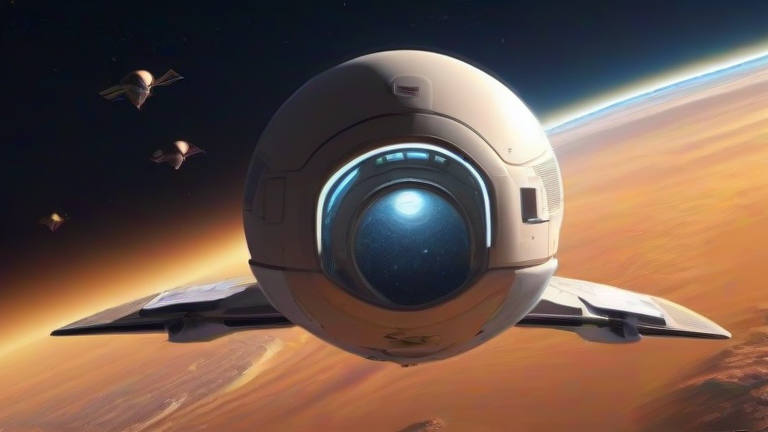
TL;DR: Affordable space tourism is becoming a reality through innovative suborbital flights and commercial space stations, making high-altitude experiences accessible to a broader demographic. This new era shifts space travel from a billionaire’s privilege to a structured, regulated industry focused on safety and moderate pricing.
The Democratization of the Cosmos
For decades, the idea of leaving Earth’s atmosphere belonged exclusively to state-funded astronauts and ultra-wealthy entrepreneurs. Today, that narrative is rapidly changing. The emergence of private aerospace companies has sparked a revolution in personal growth and travel, offering experiences that were once purely science fiction. While “affordable” is relative in the context of space, the cost has dropped significantly compared to the early days of commercial spaceflight.
The primary angle of this new era is not just about luxury, but about perspective. This phenomenon, often referred to as the “Overview Effect,” describes the cognitive shift reported by astronauts when viewing Earth from space. It is a profound moment of personal growth that transcends traditional tourism. For the aspiring space traveler, the journey is as important as the destination. The rigorous training, the anticipation, and the physical preparation create a cultural shift in how we perceive our planet.
Food and Culture in Zero Gravity
One often overlooked aspect of space tourism is the culinary experience. Food companies are already developing specialized meals that retain flavor and texture in microgravity. In traditional spaceflight, taste buds dull due to fluid shifts in the body, so spices and textures are enhanced to create a memorable dining experience. This introduces a unique cultural element to space travel, blending culinary innovation with aerospace engineering.
Moreover, the culture of space tourism is evolving. It is no longer just about the ride; it is about the community. Travelers join forums, attend workshops, and share their experiences, creating a new subculture of “orbital citizens.” This sense of belonging and shared wonder fosters a global community united by a love for exploration and science.
Looking Ahead
As technology advances, the goal is to make space travel as routine as international air travel. While tickets still cost tens of thousands of dollars, the introduction of reusable rockets and competition among providers ensures prices will continue to fall. This accessibility allows more people to experience the fragility of our atmosphere and the beauty of our planet, potentially inspiring a new generation of scientists, engineers, and dreamers. The era of accessible space travel is not just about visiting space; it is about transforming our relationship with it.
FAQ
Q: Is space tourism really affordable for the average person?
A: While not yet cheap, costs have dropped from hundreds of millions to tens of thousands of dollars, making it accessible to middle-income individuals.
If you want to dig deeper, check out our guide on Hybrid Flexibility: Why Remote Work Policies Are Shifting.
Q: What kind of training is required for space tourists?
A: Most suborbital flights require a few days of physical and safety training, ensuring passengers can handle G-forces and emergency procedures.
Q: How does space travel impact personal growth?
A: The “Overview Effect” often leads to a profound sense of global unity and environmental awareness, shifting one’s perspective on life and Earth.
Leave a Reply