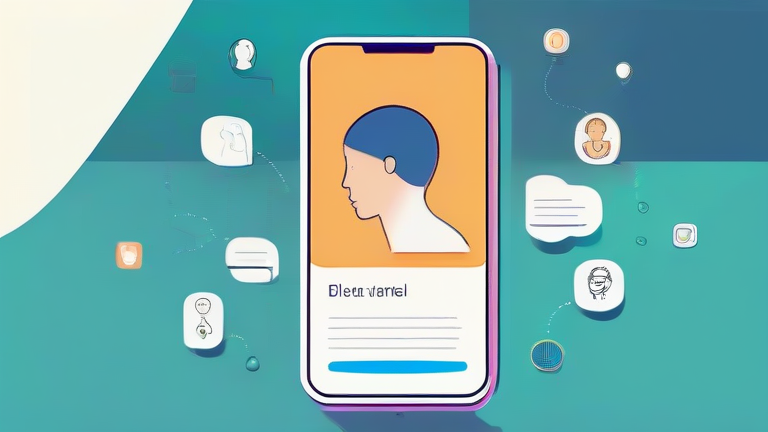
AI Therapy in Mental Health Apps: The Future of Care
The landscape of mental healthcare is undergoing a profound transformation, driven by the rapid integration of artificial intelligence into everyday digital tools. For years, individuals seeking support for anxiety, depression, or stress management faced significant barriers, including high costs, long waiting lists, and the stigma associated with visiting a therapist’s office. Today, AI-powered therapy apps are emerging as viable, accessible alternatives that offer immediate, personalized support. This review explores the most prominent platforms currently reshaping the industry, highlighting their unique features, strengths, and limitations.

At the forefront of this revolution is Woebot, an app that utilizes natural language processing to engage users in cognitive behavioral therapy (CBT) exercises. Unlike traditional chatbots that provide generic responses, Woebot adapts its tone and content based on the user’s emotional state. It offers daily check-ins, mood tracking, and interactive lessons that help users reframe negative thoughts. The interface is clean, intuitive, and designed to reduce friction, making it an excellent entry point for those new to digital mental health tools. However, some users find the interactions somewhat rigid, lacking the nuanced empathy of a human therapist.
If you want to dig deeper, check out our guide on Digital Detox Retreats Surge in Popularity: Why They’re Tren.
In contrast, Wysa focuses heavily on empathy and behavioral coaching. It employs a penguin avatar to create a non-judgmental space for users to express their feelings. Wysa’s AI is particularly strong in providing immediate coping mechanisms for acute stress or panic attacks. It also offers a unique “human-in-the-loop” service, allowing users to escalate conversations to certified coaches when necessary. While this hybrid model enhances safety, it comes at a higher subscription cost compared to purely AI-driven competitors. Other notable mentions include Sanvello, which combines meditation with CBT, and Talkspace, which bridges the gap between AI self-help and professional human therapy through secure messaging.
When comparing these platforms, the key differentiator lies in the depth of personalization. AI therapy apps excel in accessibility and anonymity, providing 24/7 support without the pressure of scheduling
Leave a Reply