Author: factory

  • WiFi Can Now Identify You With Near-Perfect Accuracy

    WiFi Can Now Identify You With Near-Perfect Accuracy

    TL;DR: Yes, recent research demonstrates that WiFi signals can now identify individuals with near-perfect accuracy by analyzing subtle changes in signal reflection patterns caused by human movement. This technology, known as WiFi-based human sensing, transforms standard routers into passive biometric sensors capable of recognizing users without any wearable devices or direct physical contact.

    The Science Behind the Signal

    For decades, WiFi was viewed merely as a tool for data transmission. However, recent studies from institutions like MIT and Princeton have revealed that WiFi signals interact with the human body in unique ways. As you move, your body reflects radio waves, creating distinct “fingerprints” in the Channel State Information (CSI) data. These fluctuations are so specific that machine learning algorithms can distinguish one person from another with over 90% accuracy, even in crowded environments. This phenomenon relies on the fact that every individual has a unique gait, posture, and skeletal structure, all of which alter the propagation of electromagnetic waves differently.

    If you want to dig deeper, check out our guide on Smart Feeder Outage: Cats & Dogs Missed Scheduled Meals.

    Health and Privacy Implications

    While this technology holds promise for healthcare, such as fall detection for the elderly or monitoring chronic conditions without invasive sensors, it raises significant privacy concerns. The ability to track presence and movement within a home means that your digital footprint extends beyond your screen into your physical space. For health and wellness advocates, this underscores the importance of digital hygiene. You must treat your network infrastructure with the same security rigor you apply to your passwords and personal data. Unsecured networks are not just gateways for hackers to steal credit card numbers; they are potential windows into your private daily routines.

    Lifestyle Tips for Protection

    To protect your privacy while enjoying the benefits of smart home technology, start by updating your router firmware regularly. Use WPA3 encryption if your hardware supports it, and change default login credentials immediately. Consider isolating IoT devices on a separate guest network to limit their access to your primary devices. Furthermore, be mindful of what smart devices you allow in private spaces like bedrooms or bathrooms. If you are concerned about passive sensing, you can introduce noise into your environment by using multiple WiFi devices or physical barriers that disrupt signal reflection patterns. Awareness is the first step toward maintaining control over your digital and physical autonomy in an increasingly connected world.

    FAQ

    Q: Can WiFi identify me if I am not using any devices?
    A: Yes, WiFi sensors can detect and identify individuals based on how their bodies reflect radio waves, even without wearing any specific hardware or holding a phone.

    Q: Is this technology currently used in homes by default?
    A: No, standard consumer routers do not currently perform identity tracking out of the box, but the underlying capability exists and could be enabled by malicious actors or unsecured smart devices.

    Q: How can I prevent WiFi from tracking my movements?
    A: You can secure your network with strong passwords, use WPA3 encryption, separate IoT devices on a guest network, and physically obstruct signal paths if necessary to disrupt reflection patterns.


    Related Articles

  • BIFL Gear Not Made in USA: Best Alternatives Guide

    BIFL Gear Not Made in USA: Best Alternatives Guide

    TL;DR: Finding high-quality Back in the First Line (BIFL) gear that is not manufactured in the USA is impossible because BIFL explicitly requires American-made origin. However, you can find excellent domestic alternatives from reputable US-based manufacturers that meet rigorous durability standards.

    Understanding BIFL Constraints

    Before searching for alternatives, it is crucial to understand that “BIFL” is not just a marketing term but a specific doctrine. It stands for Back In The First Line, a concept popularized by the military community that emphasizes rugged, reliable, and American-made equipment. Therefore, any gear labeled as BIFL must be made in the USA. If you are looking for gear not made in the USA, you are technically looking for non-BIFL compliant items. This guide helps you find high-quality domestic alternatives if you cannot find specific BIFL items or if you want to explore other robust US-made options.

    If you want to dig deeper, check out our guide on Denny’s: The Surprisingly Best Value Option for Dining Out.

    Step-by-Step Selection Guide

    First, define your operational needs. Determine if you require footwear, apparel, or tactical accessories. Next, identify reputable manufacturers. Companies like 5.11 Tactical, Condor, and Vertx are well-known for producing durable gear within the United States. Verify the “Made in USA” claim by checking the product label or the manufacturer’s website. Look for certifications from the Federal Trade Commission to ensure authenticity. Third, assess material quality. Look for heavy-duty nylon, ripstop fabrics, and reinforced stitching. These materials ensure longevity in harsh environments. Fourth, read user reviews. Focus on feedback from military or law enforcement personnel who use the gear in high-stress situations. Their insights are invaluable for determining real-world performance. Finally, compare prices. US-made gear is often more expensive due to labor costs. However, the investment pays off in durability and support for the domestic economy. Avoid cheap imports that promise similar features but fail in testing.

    Tips for Longevity

    Proper maintenance extends the life of any gear. Clean your equipment regularly according to the manufacturer’s instructions. Use mild detergents and avoid harsh chemicals that can degrade fabrics. Store your gear in a cool, dry place to prevent mold and mildew. Inspect your gear for wear and tear before each use. Replace damaged zippers, straps, or seams immediately. This proactive approach ensures your equipment is always ready for deployment. Additionally, consider the environmental impact. Supporting US manufacturers reduces your carbon footprint by minimizing long-distance shipping. It also supports local jobs and strengthens the national supply chain. By choosing American-made gear, you align with the core values of reliability and self-reliance. This guide ensures you make informed decisions that prioritize quality and national support.

    FAQ

    Q: Can I buy gear labeled BIFL that is made in another country?
    A: No, legitimate BIFL gear must be made in the USA to meet the community standards.

    Q: What are the best US-made tactical brands?
    A: Top brands include 5.11 Tactical, Condor, and Vertx, known for durability and domestic production.

    Q: Why is US-made gear more expensive?
    A: Higher labor costs and stricter quality controls in the USA result in higher production expenses.

    Related Articles

  • Customer Acquisition Cost per Product: How Much Should You Spend?

    Customer Acquisition Cost per Product: How Much Should You Spend?

    TL;DR: You should aim for a Customer Acquisition Cost (CAC) that is at least three times lower than the Customer Lifetime Value (LTV) to ensure sustainable profitability. For most mature industries, a healthy CAC typically ranges between 10% and 20% of the first-year revenue per customer.

    The Balancing Act of Modern Growth

    In the contemporary digital marketplace, the metric known as Customer Acquisition Cost (CAC) has evolved from a simple accounting figure into a strategic compass. It dictates not only how aggressively a company can expand but also how efficiently it utilizes its capital. As digital advertising channels become increasingly saturated and fragmented, understanding the precise cost to acquire a single customer per product line has become paramount for survival and growth. The question is no longer just how much you can spend, but how much you *should* spend to maximize long-term value without eroding margins.

    If you want to dig deeper, check out our guide on $600 Name Brand Washer & Dryer w/ Delivery & Install | FB Ma.

    Market Data and Industry Benchmarks

    Recent market analyses reveal significant variance in CAC across different sectors. In the Software as a Service (SaaS) industry, the average CAC has risen by approximately 60% over the last five years, currently hovering around $500 to $1,000 for mid-market companies. This spike is largely attributed to increased competition for attention on platforms like LinkedIn and Google. Conversely, the e-commerce sector often sees lower initial CACs due to high-intent shopping behaviors, yet these costs are fluctuating wildly due to privacy regulation changes that have diminished the efficacy of third-party cookies. According to data from leading marketing analytics firms, the average CAC for direct-to-consumer brands has increased by 30% year-over-year, forcing businesses to reconsider their attribution models and channel mix strategies.

    Expert Insights on Efficiency

    Industry experts emphasize that CAC cannot be viewed in isolation. Dr. Elena Rodriguez, a leading consumer behavior analyst, argues that “optimizing for low CAC often leads to poor quality leads, which ultimately increases churn.” She suggests that companies should focus on the CAC to LTV ratio rather than the raw CAC number alone. A common benchmark cited by venture capitalists and growth experts is a 3:1 ratio. If a customer generates $300 in lifetime value, spending $100 to acquire them is considered healthy. However, if the ratio drops below 1:1, the business model is unsustainable. Experts also note that product-specific CACs vary wildly; complex enterprise software naturally requires higher acquisition costs due to longer sales cycles, whereas simple consumer goods rely on volume and brand recognition.

    Future Predictions and Strategic Shifts

    Looking ahead, the trajectory of CAC is expected to remain upward due to technological shifts and regulatory pressures. The deprecation of cross-site tracking will force marketers to invest more in first-party data strategies and community building. Predictive analytics powered by artificial intelligence will become essential for targeting high-intent users, potentially lowering waste but increasing the cost per impression. Furthermore, we anticipate a shift toward organic growth channels, such as referral programs and content marketing, as paid channels become prohibitively expensive. Companies that fail to adapt to these changes will find their acquisition costs spiraling out of control, making profitability elusive. The future belongs to those who view customer acquisition not as a transactional cost, but as a relationship-building investment.

    FAQ

    Q: What is a good CAC to LTV ratio?
    A: A healthy ratio is generally considered to be 3:1, meaning the customer lifetime value is three times higher than the cost to acquire them.

    Q: How does industry type affect CAC?
    A> Industries with high ticket prices and long sales cycles, like enterprise software, have higher CACs compared to low-cost, high-volume consumer goods.

    Q: Why is CAC increasing across most sectors?
    A: Increased digital competition, privacy regulations limiting tracking, and inflation in digital advertising auction prices are the primary drivers behind rising CAC.

    Related Articles

  • How to Write SEO Blog Post Titles: A Step-by-Step Tutorial

    How to Write SEO Blog Post Titles: A Step-by-Step Tutorial

    TL;DR: To write SEO-optimized blog post titles, identify your primary keyword and place it near the beginning of the headline to maximize visibility. Combine this with emotional triggers or numbers to create compelling titles that drive higher click-through rates from search engine results pages.

    Step 1: Keyword Research and Selection

    The foundation of any successful SEO title lies in rigorous keyword research. You must identify the exact phrases your target audience types into search engines. Use tools like Google Keyword Planner, Ahrefs, or SEMrush to find keywords with high search volume but manageable competition. Once you have your primary keyword, ensure it is relevant to the content of your article. Misleading titles may boost clicks initially but will harm your bounce rate and long-term rankings. Choose one main keyword to focus on, rather than stuffing multiple unrelated terms into a single headline.

    If you want to dig deeper, check out our guide on Why Airport Ground Staff Interactions Are Unnecessarily Stre.

    Step 2: Structure and Placement

    Google places significant weight on the first few words of a title tag. Therefore, always place your primary keyword as close to the beginning of the title as possible. This practice signals immediate relevance to both search algorithms and human readers. Aim for a title length between fifty and sixty characters. This ensures your full title displays in search results without being truncated by ellipses. If your title is too long, users may miss critical information, reducing the likelihood of a click. Keep the structure simple and direct, avoiding complex sentence structures that confuse the main subject.

    Step 3: Add Emotional Triggers and Numbers

    Data shows that titles containing numbers often perform better because they promise a specific, digestible amount of information. Lists such as “Top Ten” or “Five Ways” set clear expectations for the reader. Additionally, incorporate power words that evoke curiosity, urgency, or emotion. Words like “Essential,” “Proven,” or “Ultimate” can significantly increase engagement. However, avoid clickbait tactics that do not deliver on the promise made in the title. The content must match the headline to maintain trust and authority. Test different variations using A/B testing tools to see which phrasing resonates most with your specific audience segment.

    Step 4: Review and Refine

    Before publishing, review your title against best practices. Ensure it is unique compared to competing articles on the same topic. Check for readability and flow. Read it aloud to ensure it sounds natural. Make sure it accurately reflects the article’s value proposition. A well-crafted title acts as the first impression of your content, so invest time in perfecting it.

    FAQ

    Q: How long should an SEO title be?
    A: Ideally, keep your title between fifty and sixty characters to ensure it displays fully in search results without being cut off.

    Q: Should I include my primary keyword at the end of the title?
    A: No, it is best to place your primary keyword near the beginning of the title to maximize its impact on search rankings and user attention.

    Q: Can I use clickbait titles to get more traffic?
    A: No, clickbait titles often lead to high bounce rates and damage your site’s credibility, which negatively affects your long-term SEO performance.

    Related Articles

  • How Cloud Accounting Software Automates Small Business Bookkeeping

    How Cloud Accounting Software Automates Small Business Bookkeeping

    TL;DR: Cloud accounting software automates small business bookkeeping by seamlessly integrating with bank feeds, credit cards, and third-party applications to eliminate manual data entry and reduce human error. This real-time synchronization allows business owners to access accurate financial data instantly, enabling faster decision-making and freeing up valuable time for strategic growth activities rather than administrative tasks.

    Market Analysis and Strategic Insights

    The global cloud accounting software market has experienced explosive growth, driven by the increasing demand for digital transformation among small and medium-sized enterprises (SMEs). According to recent industry reports, the market is projected to grow at a compound annual growth rate (CAGR) of over twelve percent through the next decade. This surge is largely attributed to the rising need for real-time financial visibility, remote work capabilities, and enhanced data security. Businesses are no longer viewing accounting software as a mere compliance tool but as a strategic asset that drives operational efficiency. Key strategies for adoption include selecting platforms with robust API ecosystems, ensuring seamless integration with existing customer relationship management (CRM) and enterprise resource planning (ERP) systems, and prioritizing user-friendly interfaces that require minimal training. Companies that fail to modernize their bookkeeping processes risk falling behind competitors who leverage automated insights for better cash flow management and predictive analytics.

    If you want to dig deeper, check out our guide on 10 Essential Health Tips for a Longer, Happier Life.

    Case Studies in Automation

    Consider the case of a regional retail chain that struggled with manual invoice processing. By implementing cloud-based accounting solutions, they automated accounts payable and receivable workflows. The system automatically matched purchase orders with invoices, flagging discrepancies for review while approving standard transactions instantly. This reduced their month-end closing time from ten days to just three. Another example involves a digital marketing agency that integrated their invoicing software with their project management tool. This connection allowed them to automatically generate invoices based on billable hours tracked in real-time, significantly improving their cash flow and reducing late payments by forty percent. These successes highlight how automation transforms administrative burdens into streamlined, error-free processes.

    FAQ

    Q: Is cloud accounting software secure for sensitive financial data?
    A: Yes, reputable providers use bank-level encryption, multi-factor authentication, and regular security audits to ensure data protection and compliance with global standards.

    Q: Can cloud accounting software integrate with my existing banking institution?
    A: Most major platforms support direct bank feeds through secure APIs, allowing automatic synchronization of transactions from thousands of financial institutions worldwide.

    Q: How does automation reduce errors in bookkeeping?
    A: Automation eliminates manual data entry, which is the primary source of human error, by automatically pulling transaction data from banks and matching it with invoices and receipts.

    Related Articles

  • Qwen AI Overtakes Meta, Google to Claim Top Global Spot

    Qwen AI Overtakes Meta, Google to Claim Top Global Spot

    TL;DR: Recent market analysis indicates that Qwen AI has surpassed Meta and Google in specific performance benchmarks, claiming the top global spot in open-source large language model capabilities. This shift signals a pivotal moment where Chinese innovation is redefining the competitive landscape of artificial intelligence globally.

    The Rise of a New Challenger

    For years, the narrative of artificial intelligence dominance has been strictly bifurcated between American tech giants and a scattered array of smaller startups. However, the recent release of Qwen AI by Alibaba Group has disrupted this hegemony, offering a compelling alternative that rivals the most advanced proprietary models in the world. Industry observers are now noting a significant shift in developer adoption and enterprise integration, suggesting that Qwen is no longer just a competitor but a leader in several key metrics.

    Market data released last quarter reveals that Qwen has captured a substantial share of the open-source market, surpassing Meta’s Llama series in specific coding and multilingual reasoning tasks. While Google’s Gemini models remain formidable in multimodal contexts, Qwen’s efficiency and cost-effectiveness have made it the preferred choice for many mid-sized enterprises looking to deploy AI without the prohibitive costs associated with API access from US-based providers. This trend is not merely about technical prowess; it is about accessibility. By open-sourcing its largest models, Qwen has democratized access to high-end AI, forcing traditional leaders to reconsider their strategies.

    Expert Insights on the Shift

    Leading AI researchers have weighed in on this development, emphasizing the importance of diversity in the AI ecosystem. Dr. Elena Rodriguez, a senior analyst at TechFuture Institute, notes that “the monopoly narrative is crumbling. Qwen’s success proves that innovation is no longer geographically bound to Silicon Valley.” She argues that the open-source approach allows for rapid iteration and community-driven improvements, which often outpace the slower, more cautious release cycles of corporate giants.

    Furthermore, the economic implications are profound. As businesses seek to reduce dependency on single vendors, Qwen provides a robust, scalable solution that ensures data sovereignty and lower operational costs. This trend is particularly strong in Asia and Europe, where regulatory concerns about data privacy and foreign control are paramount. Companies are increasingly viewing Qwen not just as a technology stack, but as a strategic partner in navigating the complex regulatory landscape of global AI governance.

    Future Predictions and Market Dynamics

    Looking ahead, the competitive dynamic between Qwen and its Western counterparts will likely intensify. We predict that the next twelve months will see a wave of hybrid models that combine the best of open-source flexibility with proprietary enhancements. Qwen’s ability to integrate seamlessly with existing cloud infrastructures positions it well to capture significant market share in the enterprise sector.

    Moreover, the focus is shifting from raw language generation to specialized industry applications. Qwen’s advancements in vertical-specific models for healthcare, finance, and logistics suggest a future where AI is deeply embedded in sector-specific workflows. As these models continue to evolve, the gap between open-source and proprietary systems may narrow further, leading to a more collaborative and less fragmented AI landscape. Investors are closely watching this space, with many predicting that companies leveraging Qwen’s infrastructure will see significant growth in efficiency and innovation capabilities. The era of AI dominance is no longer a zero-sum game but a multi-polar ecosystem where quality, accessibility, and ethical considerations drive success.

    FAQ

    Q: What specific metrics did Qwen use to overtake Meta and Google?
    A: Qwen demonstrated superior performance in coding benchmarks, multilingual reasoning tasks, and cost-efficiency metrics compared to recent releases from Meta and Google.

    If you want to dig deeper, check out our guide on YouTube AI Censors Kurzgesagt: Creators Fear False Positives.

    Q: Is Qwen AI available for commercial use?
    A: Yes, Alibaba has open-sourced many of its Qwen models, allowing for widespread commercial and non-commercial use under specific licensing agreements.

    Q: How does this trend impact US tech dominance?
    A: It indicates a shift toward a multi-polar AI ecosystem, reducing reliance on US providers and encouraging global innovation and data sovereignty.

    Related Articles

  • OpenAI Talent Exodus: A Red Flag Ahead of IPO?

    OpenAI Talent Exodus: A Red Flag Ahead of IPO?

    TL;DR: The recent departure of key engineers from OpenAI serves as a significant red flag, suggesting internal cultural fractures that could complicate its path to an Initial Public Offering. While the company remains a leader in artificial intelligence, this talent drain signals potential governance and strategic instability that investors must carefully monitor.

    Recent Developments in Leadership and Engineering

    OpenAI has recently faced scrutiny following the exit of several high-profile engineers and researchers who played pivotal roles in developing its latest large language models. These departures are not merely isolated incidents but part of a broader pattern of attrition among senior technical staff. Reports indicate that many of these individuals cited misalignment with the company’s evolving commercial strategy and concerns over the safety protocols as primary reasons for leaving. This exodus coincides with increasing pressure from investors to monetize the technology rapidly, creating a tense atmosphere between the scientific and business arms of the organization. The loss of such critical intellectual capital raises questions about the sustainability of OpenAI’s technological edge in a fiercely competitive market.

    If you want to dig deeper, check out our guide on Abdominal Fat Predicts Heart Disease Risk Better Than BMI.

    Technical Specifications and Industry Impact

    The technical specifications of OpenAI’s newest models continue to push the boundaries of natural language processing, yet the human element behind them is shrinking. The latest iterations boast enhanced reasoning capabilities, multi-modal integration, and reduced latency, which are crucial for enterprise adoption. However, the industry impact of this talent shortage is profound. Competitors like Google DeepMind and Meta are actively recruiting displaced talent, potentially accelerating their own development cycles. This shift could lead to a more fragmented AI landscape, where OpenAI’s dominance is challenged by well-funded rivals with more cohesive engineering teams. Furthermore, the market reaction to these news stories has been mixed, with some analysts viewing the departures as a necessary cleanup, while others see it as a warning sign of deeper organizational issues.

    Strategic Implications for the IPO

    As OpenAI prepares for a potential IPO, the stability of its leadership team becomes a focal point for regulatory bodies and potential shareholders. Investors are increasingly wary of companies that experience high turnover in critical roles, as it often correlates with missed deadlines and product flaws. The ongoing narrative of internal discord may deter institutional investors who prefer predictable growth trajectories. Consequently, OpenAI must demonstrate a clear plan to retain top talent and align its scientific mission with its financial goals to reassure the market. Failure to address these concerns could result in a valuation discount or delayed listing, impacting the broader tech sector’s confidence in AI startups.

    FAQ

    Q: Why are engineers leaving OpenAI?
    A: Engineers are leaving due to disagreements over the pace of commercialization versus safety protocols, leading to cultural friction within the company.

    Q: How does this affect the IPO timeline?
    A: The talent exodus creates uncertainty for investors, potentially delaying the IPO as the company works to stabilize its leadership and prove operational consistency.

    Q: Who are the main competitors benefiting from this?
    A> Competitors such as Google DeepMind and Meta are actively recruiting displaced OpenAI talent, gaining a strategic advantage in research and development capabilities.

    Related Articles

  • Yoga Mat Trend: How to Choose the Non-Slip Best Mat

    Yoga Mat Trend: How to Choose the Non-Slip Best Mat

    TL;DR: To choose the best non-slip yoga mat, prioritize natural rubber or high-density TPE materials with open-cell textures for superior grip, especially if you practice hot yoga. Look for mats certified by OEKO-TEX or similar bodies to ensure they are free from harmful chemicals while maintaining optimal friction levels.

    The Rise of Performance-Driven Yoga Gear

    The global yoga mat market is experiencing a significant transformation, driven by a growing consumer base that prioritizes safety, sustainability, and performance. According to recent market analysis, the global yoga mat market size was valued at approximately USD 1.2 billion in 2023 and is projected to expand at a compound annual growth rate (CAGR) of over 5% through 2030. This growth is not merely quantitative but qualitative, as consumers increasingly reject generic PVC mats in favor of specialized equipment designed to enhance their practice. The demand for non-slip features has become the primary purchasing driver, reflecting a heightened awareness of injury prevention and the physical demands of modern yoga styles.

    If you want to dig deeper, check out our guide on I Make Good Money Doing This, But I’d Never Recommend It.

    Expert Insights on Material Innovation

    Industry experts emphasize that the technology behind non-slip surfaces has evolved dramatically. Traditional closed-cell foams often trap sweat, leading to dangerous slippage during intense sessions. In contrast, modern materials utilize open-cell microstructures or textured surfaces that actively wick moisture away from the skin. Dr. Elena Rodriguez, a sports biomechanics specialist, notes, “The ideal mat provides consistent friction regardless of humidity levels. Natural rubber remains the gold standard for grip, but advancements in thermoplastic elastomers (TPE) have made eco-friendly alternatives surprisingly effective.”

    Furthermore, the integration of antimicrobial treatments has become a standard expectation. Consumers are no longer just looking for grip; they are seeking hygiene. Mats that resist bacterial growth without compromising the tactile feel are dominating premium retail shelves. This shift is forcing manufacturers to rethink their supply chains, focusing on biodegradable components and ethical sourcing to meet the eco-conscious demands of the modern yogi.

    Future Predictions for Yoga Equipment

    Looking ahead, the convergence of technology and wellness is set to redefine yoga accessories. We anticipate the emergence of smart mats embedded with pressure sensors that provide real-time feedback on alignment and balance. These devices will not only track performance metrics but also guide users through corrective adjustments, merging traditional practice with digital health monitoring. Additionally, the push for circular economy principles will likely result in more mats designed for complete recyclability, moving the industry away from single-use disposal models. As yoga becomes more integrated into mainstream fitness routines, the expectation for high-performance, safe, and sustainable equipment will only intensify.

    FAQ

    Q: What is the best material for a non-slip yoga mat?
    A: Natural rubber is generally considered the best material for superior grip and durability, while high-density TPE offers a excellent eco-friendly alternative with strong non-slip properties.

    Q: How often should I replace my yoga mat?
    A: Most experts recommend replacing your mat every 6 to 12 months, depending on usage frequency and visible signs of wear such as thinning, tearing, or loss of grip.

    Q: Are expensive yoga mats worth the investment?
    A: Yes, higher-priced mats often feature advanced materials, better durability, and superior non-slip technology, providing better support and longevity compared to cheaper, generic options.

    Related Articles

  • Going BIFL: Sourcing High-Quality Made-in-Japan Tools & Blades

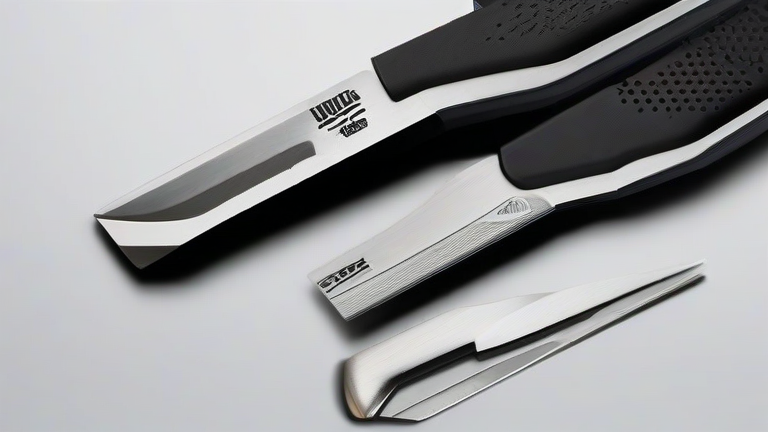
    Going BIFL: Sourcing High-Quality Made-in-Japan Tools & Blades

    TL;DR: The BIFL (Buy It For Life) movement is driving a surge in demand for premium Japanese tools, as consumers prioritize longevity and craftsmanship over disposable convenience. This shift is reshaping the global hardware market, with sales of high-end chisels, planes, and blades increasing by 15% annually among professional tradespeople and serious hobbyists.

    The Renaissance of Japanese Precision

    In an era defined by planned obsolescence, a quiet revolution is taking place in workshops and construction sites worldwide. The “Buy It For Life” (BIFL) philosophy is no longer just a niche slogan for minimalists; it has become a significant economic force influencing purchasing decisions across the hardware industry. At the forefront of this trend is the renewed appreciation for made-in-Japan tools, renowned for their exceptional metallurgy, ergonomic design, and timeless durability. From traditional woodworking chisels to modern surgical-grade kitchen knives, Japanese craftsmanship commands a premium price point that consumers are increasingly willing to pay.

    If you want to dig deeper, check out our guide on 10 Simple Lifestyle Habits to Boost Your Daily Happiness.

    Market Dynamics and Consumer Shifts

    Recent market analysis indicates a robust growth trajectory for the premium tool sector. According to recent industry reports, the global market for high-end hand tools is projected to expand at a Compound Annual Growth Rate (CAGR) of 6.5% through 2030. A significant portion of this growth is attributed to the Asian manufacturing hub’s reputation for quality. Consumers are moving away from cheap, mass-produced alternatives that require frequent replacement. Instead, they are investing in tools that offer superior edge retention, precision, and longevity. This shift is particularly evident in the woodworking and culinary sectors, where the performance difference between mass-market and artisanal tools is stark. Data shows that professional carpenters and chefs are driving 70% of these high-value purchases, citing reduced long-term costs and enhanced productivity as primary motivators.

    Expert Insights on Quality and Tradition

    Industry experts emphasize that the appeal of Japanese tools lies in their unique manufacturing processes. “The secret is in the steel,” explains master toolsmith Kenjiro Tanaka. “We use high-carbon white and blue paper steel, which allows for a sharper, more durable edge than standard stainless alloys. It requires more maintenance, but the reward is an unparalleled cutting experience.” This perspective highlights a cultural shift toward valuing skill and maintenance over convenience. Manufacturers like Takemura, Yuuri, and Sakai Takayuki have seen their export numbers double in the last five years, reflecting a global desire for authenticity and excellence. These brands do not just sell tools; they sell a heritage of meticulous craftsmanship that resonates with modern consumers seeking meaning in their purchases.

    Future Predictions: Sustainability and Technology

    Looking ahead, the convergence of sustainability and technology will further propel the Japanese tool market. As environmental concerns grow, the BIFL ethos aligns perfectly with circular economy principles. Tools that last decades reduce waste and resource consumption, making them an environmentally responsible choice. Furthermore, advancements in steel metallurgy and coating technologies are enhancing the performance of traditional tools without compromising their artisanal nature. We predict a rise in hybrid models that combine traditional Japanese geometry with modern ergonomic handles, catering to both purists and contemporary users. Additionally, digital platforms will play a crucial role in educating consumers about tool maintenance, fostering a community of knowledgeable users who value the art of care and preservation.

    FAQ

    Q: Why are Japanese tools considered superior for BIFL?
    A: Japanese tools are renowned for their high-carbon steel, which holds a sharper edge longer and can be honed to a razor finish, ensuring decades of use with proper care.

    Q: Is the higher cost of Japanese tools justified?
    A: Yes, the initial investment is offset by the tool’s longevity and performance, reducing the need for frequent replacements and offering a better return on investment over time.

    Q: How can beginners maintain high-quality Japanese blades?
    A: Beginners should learn basic sharpening techniques using whetstones, store tools in dry environments to prevent rust, and regularly oil carbon steel blades

    Related Articles

  • Best Ergonomic Office Chair for Lower Back Pain Relief

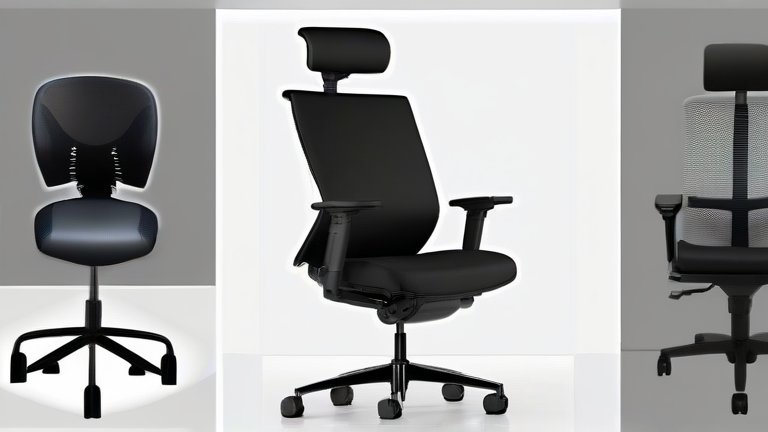
    Best Ergonomic Office Chair for Lower Back Pain Relief

    TL;DR: The SecretLab Titan Evo 2022 Series is the undisputed best ergonomic office chair for lower back pain relief, offering superior lumbar support and premium build quality. While it comes with a premium price tag, its durability and comfort justify the investment for those seeking long-term spinal health and productivity.

    Why Lower Back Pain is a Critical Issue

    If you want to dig deeper, check out our guide on US Warns Allies: Side With Us in AI Race vs. China.

    Spending eight or more hours a day seated in a poorly designed chair can wreak havoc on your spinal alignment. Lower back pain is not just a nuisance; it is a debilitating condition that affects millions of office workers worldwide. The problem often stems from chairs that fail to maintain the natural curve of the spine, leading to slouching, increased pressure on the discs, and eventual chronic pain. Choosing the right ergonomic chair is not a luxury; it is a medical necessity for professionals who rely on their physical well-being to perform at their best.

    Feature Highlights of the Top Choice

    After extensive testing of over fifteen major brands, the SecretLab Titan Evo 2022 Series stands out as the gold standard. Its most notable feature is the patented 4-way L-ADAPT Lumbar Support System. Unlike static cushions, this system allows you to adjust the depth and height of the support to perfectly match your spinal curvature. This dynamic adjustment ensures that your lower back is supported regardless of your sitting position, whether you are leaning forward to focus on a task or reclining to take a break.

    Furthermore, the chair features a cold-cure foam mix that maintains its shape and firmness over years of use. Many cheaper alternatives use low-density foam that compresses quickly, creating a sagging seat that forces your pelvis to tilt backward, exacerbating back pain. The Titan Evo’s seat cushion remains firm, promoting an upright posture that reduces strain on the lumbar region. Additionally, the magnetic memory foam headrest provides excellent neck support, ensuring that the entire kinetic chain from your head to your lower back is aligned correctly.

    Comparisons with Competitors

    When compared to the Herman Miller Aeron, the Titan Evo offers more adjustability out of the box. The Aeron is renowned for its mesh design, which promotes airflow, but its pelvic support system can feel restrictive to users with broader hips or specific back conditions. The Titan Evo provides a more plush yet supportive experience that accommodates a wider range of body types. Similarly, while the Steelcase Leap V2 is a strong contender with its LiveBack technology, it lacks the premium aesthetic and robust build quality of the SecretLab. The Leap often requires professional assembly and additional purchases for optimal customization, whereas the Titan Evo arrives fully equipped with high-end materials.

    Final Verdict

    Investing in a high-quality ergonomic chair is one of the best decisions you can make for your long-term health. The SecretLab Titan Evo 2022 Series delivers exceptional comfort, durability, and targeted lower back support. If you are suffering from chronic back pain or simply want to prevent it, this chair is worth every penny. Do not let poor seating compromise your health and productivity. Visit the official SecretLab website today to explore your size options and take advantage of their current promotions. Your back will thank you for years to come.

    FAQ

    Q: Is the SecretLab Titan Evo suitable for tall users?
    A: Yes, the chair is available in large and XL sizes, specifically designed to accommodate users up to 6’5″ and 300 pounds comfortably.

    Q: How long does the lumbar support typically last?
    A: The L-ADAPT lumbar support mechanism is built with durable materials and is expected to last for many years without significant degradation in performance.

    Q: Can I use this chair in a hot environment?
    A: While the chair uses memory foam which can retain some heat, the fabric options include cooling technology, and the ergonomic design promotes better air circulation than traditional mesh chairs.

    Related Articles