
Autonomous AI Agents for Enterprise Workflows
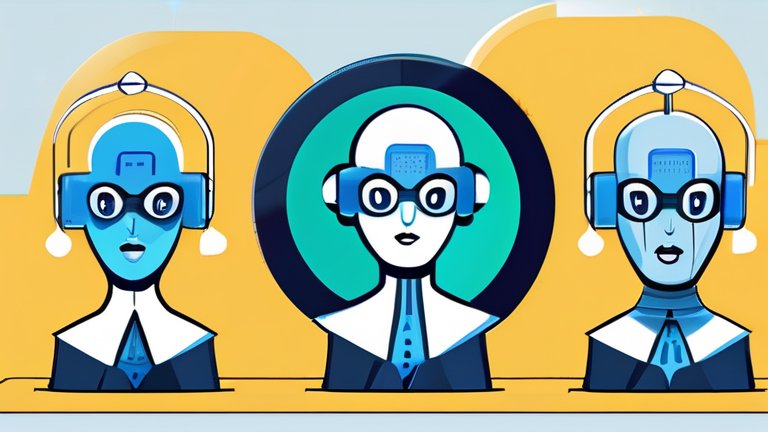
The modern enterprise landscape is undergoing a seismic shift, driven not merely by automation, but by the emergence of autonomous AI agents. These sophisticated digital entities are no longer simple scripts that follow rigid, pre-defined rules. Instead, they possess the capacity to perceive their environment, make independent decisions, and execute complex workflows with minimal human intervention. This transition represents a fundamental change in how organizations operate, optimize, and scale their operations.
Understanding the mechanics behind these agents requires a look at their underlying architecture. Typically, an autonomous AI agent integrates large language models (LLMs) with specialized tools and APIs. It can browse the web, analyze data sets, send emails, and update databases. The “autonomy” comes from the agent’s ability to reason through a problem, break it down into smaller tasks, and execute them sequentially or in parallel. For example, a customer support agent can autonomously diagnose an issue, check inventory systems for availability, and process a refund without human oversight. This level of efficiency drastically reduces operational latency and allows human employees to focus on higher-value, creative, and strategic tasks.
However, the integration of such powerful technology into enterprise workflows brings significant challenges. Data privacy and security are paramount. When AI agents have access to sensitive corporate information, the risk of data leakage increases. Organizations must implement robust governance frameworks, including strict access controls and audit trails, to ensure that these agents operate within defined ethical and legal boundaries. Furthermore, the “black box” nature of some AI models can make it difficult to understand why an agent made a specific decision, leading to potential accountability issues in critical business processes.
From a health and wellness perspective, the rise of autonomous AI agents offers a unique opportunity to improve employee well-being. By automating repetitive and mundane tasks, these agents can significantly reduce cognitive load and burnout among staff. Employees are freed from the drudgery of data entry and routine scheduling, allowing them to engage in more meaningful work. This shift can lead to increased job satisfaction, better work-life balance, and reduced stress levels. Studies have shown that when employees have more control over their workflows and less administrative burden, their mental health
Leave a Reply