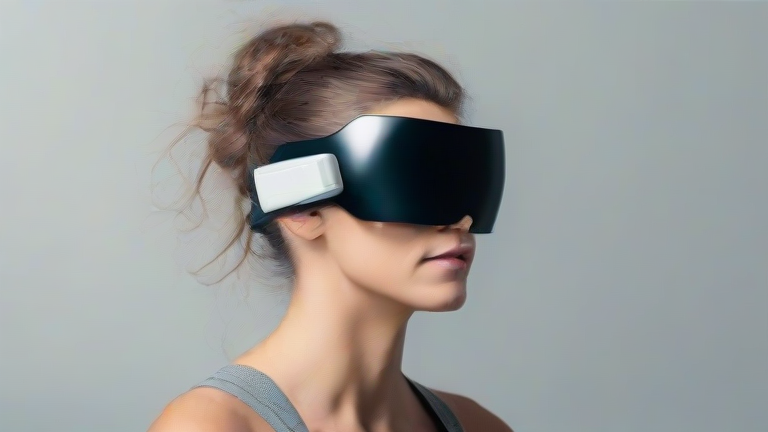
Biohacking Wearables Track Real-Time Stress
The landscape of personal health technology is undergoing a profound transformation. No longer confined to merely counting steps or monitoring heart rate, the wearable industry is pivoting aggressively toward proactive mental wellness and physiological optimization. At the forefront of this shift is the emergence of “biohacking” wearables capable of tracking real-time stress levels through sophisticated biomarkers. This evolution marks a critical juncture where consumer electronics merge seamlessly with clinical-grade biometric analysis, offering users unprecedented insights into their autonomic nervous system.
According to recent market analysis, the global wearable technology market is projected to reach $188 billion by 2028, with a significant portion of this growth driven by health-monitoring features beyond basic fitness tracking. Specifically, the segment dedicated to mental wellness and stress management has experienced a compound annual growth rate (CAGR) of 22.5% over the last three years. This surge is not merely speculative; it reflects a tangible demand from consumers who are increasingly aware of the physiological toll of chronic stress. Investors and tech giants alike are pouring capital into startups that promise to decode the complex language of our bodies, turning raw data into actionable lifestyle adjustments.
Experts in the field emphasize that the true value of these devices lies in their predictive capabilities. “We are moving from reactive health metrics to proactive intervention,” states Dr. Elena Rostova, a leading researcher in psychophysiology. “Modern sensors can detect subtle changes in galvanic skin response, heart rate variability, and even temperature fluctuations that precede a stress episode by several minutes. This allows users to employ breathing techniques or mindfulness exercises before cortisol levels spike, effectively disrupting the stress cycle.” This shift represents a fundamental change in how we perceive health management, transforming it from a passive monitoring exercise into an active, real-time biofeedback loop.
Looking ahead, the integration of artificial intelligence will further refine these capabilities. Future predictions suggest that wearables will not only detect stress but also suggest personalized interventions based on historical data and environmental context. Imagine a smartwatch that recognizes you are entering a high-stakes meeting and subtly guides you through a one-minute breathing exercise via haptic feedback. Furthermore
Leave a Reply