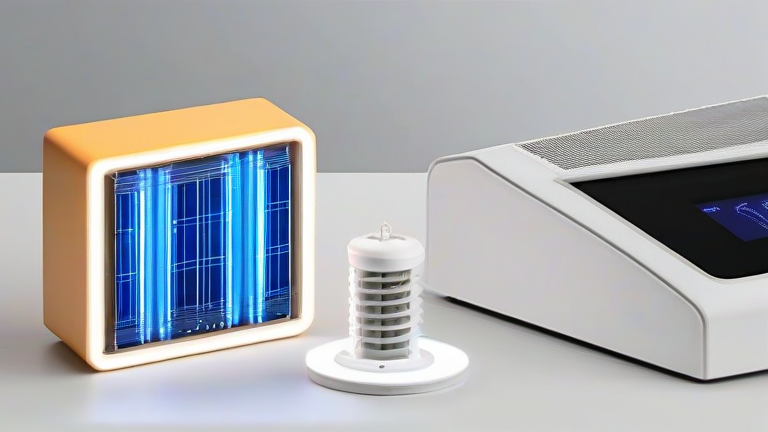
TL;DR: Smart home energy systems significantly boost grid stability by balancing supply and demand in real-time. They empower homeowners to reduce peak load stress while optimizing their own energy costs through intelligent automation.
Revolutionizing Power Management

The modern electrical grid faces unprecedented challenges due to the intermittent nature of renewable energy sources and the rising demand for electricity. Traditional infrastructure struggles to adapt to these fluctuations, leading to inefficiencies and potential outages. However, the advent of smart home energy systems offers a transformative solution. These systems act as intelligent intermediaries between your home and the utility grid, ensuring that energy is used, stored, or sold back at the most optimal times. By integrating solar panels, battery storage, and advanced software, these systems create a decentralized network that enhances overall grid resilience.
Key Feature Highlights
Smart home energy systems come equipped with several cutting-edge features designed to maximize efficiency. First, real-time monitoring allows users to track energy consumption down to the watt, providing actionable insights into usage patterns. Second, predictive analytics use weather forecasts and historical data to anticipate energy needs, automatically adjusting heating, cooling, and appliance usage to avoid peak pricing periods. Third, seamless integration with renewable sources ensures that excess solar power is stored in batteries rather than wasted, ready to be used during nighttime or cloudy days. This not only lowers utility bills but also reduces the carbon footprint of individual households.
Comparing Options
When comparing traditional energy setups with smart systems, the difference is stark. Standard setups rely on passive consumption, offering no control over when energy is drawn from the grid. In contrast, smart systems offer dynamic control, allowing homeowners to participate in demand response programs. While the initial investment in smart technology may seem high, the long-term savings on electricity bills and potential incentives from utility companies often offset the cost within a few years. Furthermore, the environmental benefits contribute to a more sustainable future, making it a worthwhile investment for eco-conscious consumers.
Take Action Today
Don’t wait for the next blackout or price surge. Upgrade your home with a smart energy system today. Visit our website to explore our top-rated products and schedule a free consultation. Join the revolution in energy management and take control of your power future.
FAQ
Q: How does a smart home system help the grid?
A: It balances supply and demand by storing excess energy and reducing usage during peak hours.
If you want to dig deeper, check out our guide on 7 Proven Strategies to Grow Your Business Revenue in 2024.
Q: Is installation difficult for existing homes?
A: Most systems are designed for easy retrofitting, often requiring only a few days for professional installation.
Q: Do I need solar panels to use these systems?
A: No, while solar enhances benefits, smart systems work effectively with grid power alone for optimization.
Leave a Reply