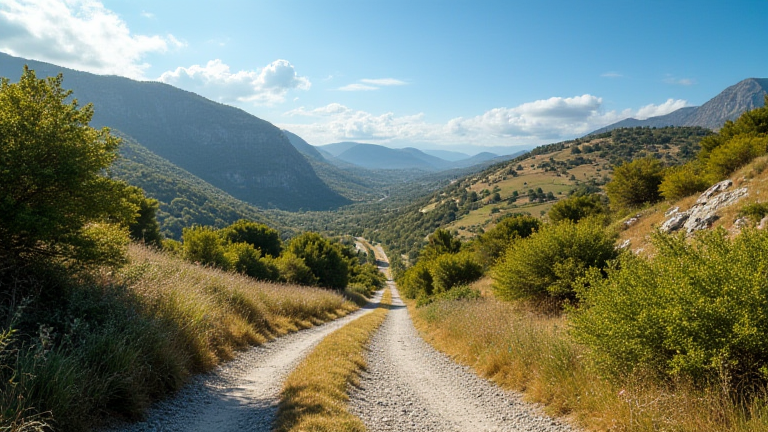
TL;DR: The Camino de Santiago in Galicia is a transformative pilgrimage that blends ancient history, stunning coastal landscapes, and deep personal reflection. It offers travelers a unique opportunity to disconnect from modern life, savor local Galician cuisine, and find inner peace through steady walking and communal camaraderie.
Why Walk the Camino in Galicia?
Galicia, the final destination of the most famous pilgrimage route, is not just a place to arrive; it is an experience to be lived. Unlike other parts of Europe where tourism is often crowded and commercialized, the Camino in Galicia retains a raw, authentic charm. The journey here is less about conquering a physical challenge and more about engaging in a slow, meditative process of self-discovery. As you walk the cobblestone paths leading to the Cathedral of Santiago de Compostela, you are surrounded by centuries of history, folklore, and a distinct cultural identity that sets Galicia apart from the rest of Spain.
If you want to dig deeper, check out our guide on 10 Simple Daily Habits for Better Health and Longevity.
Culinary Delights of the Northwest
Food plays a central role in the Camino experience, and Galicia is a paradise for gastronomic travelers. The region is renowned for its fresh seafood, particularly oysters, mussels, and octopus, which are best enjoyed at local *pulperías* or seaside restaurants. After a long day of walking, the simple pleasure of a cold *caña* of local white wine or a glass of *albariño* wine is unparalleled. Do not miss the *empanada* or *pulpo a la gallega*, a dish of tender octopus served on a bed of potato with paprika and olive oil. These meals are not just sustenance; they are a celebration of the region’s rich agricultural and maritime heritage.
Embracing the Cultural Soul
Walking in Galicia means immersing yourself in a culture that is deeply rooted in Celtic traditions and Catholic faith. The landscape itself is a character, with rolling green hills, dramatic cliffs, and misty forests that evoke a sense of mystery and timelessness. You will encounter local festivals, such as the *Festas do Apóstol*, which blend religious devotion with vibrant street parties and traditional music. The people you meet along the way, from the friendly *albergue* staff to the fellow pilgrims, create a sense of community that transcends language barriers. This cultural immersion provides a profound counterbalance to the digital distractions of modern life.
Personal Growth and Reflection
Perhaps the most significant benefit of the Camino is the personal growth it facilitates. The repetitive rhythm of walking allows the mind to quiet down, providing space for introspection and clarity. Many pilgrims report feeling a sense of freedom and liberation from the stresses of daily life. Whether you are seeking spiritual renewal, physical health, or simply a break from routine, the Camino offers a unique framework for transformation. The final approach to Santiago, with its iconic cathedral looming in the distance, provides a powerful emotional closure to the journey, leaving you with a lasting sense of accomplishment and peace.
FAQ
Q: How many days should I allocate for the Camino in Galicia?
A: Most pilgrims spend between three and five days walking the final stages of the Camino Francés or the Camino del Norte in Galicia, allowing ample time for rest and exploration.
Q: Is the Camino difficult for beginners?
A: No, the Camino is accessible to most people with reasonable fitness levels. The daily distances are manageable, and the pace is entirely up to you, making it suitable for first-time hikers.
Q: What is the best time of year to visit?
A: May through June and September through October are ideal, offering pleasant temperatures and fewer crowds. Avoid August due to extreme heat and July due to high tourist volumes.
Leave a Reply