Category: Uncategorized

  • Hybrid Work Policies: The New Standard for Remote Teams

    Hybrid Work Policies: The New Standard for Remote Teams

    Hybrid Work Policies: The New Standard for Remote Teams

    TL;DR: Hybrid work policies are becoming the industry standard by balancing structured office collaboration with the flexibility of remote work. This shift prioritizes employee well-being and productivity over rigid physical presence.

    The post-pandemic era has fundamentally redefined what it means to be a “team member.” For many, the office is no longer a daily requirement but a strategic resource. This cultural shift allows professionals to curate their work environments, leading to a surge in personal growth opportunities. Employees are now actively managing their energy levels, choosing when to focus deeply at home and when to engage socially in the office. This autonomy fosters a sense of ownership over one’s career trajectory, which is a critical component of modern professional development.

    If you want to dig deeper, check out our guide on Quantum Computing Threatens Encryption: What You Need to Kno.

    The Culinary Dimension of Remote Flexibility

    One of the most underappreciated benefits of hybrid work is the reclaiming of time for culinary exploration. When commute times vanish, hours are returned to the day. Many remote workers use this reclaimed time to experiment with cooking, turning meal preparation into a form of self-care rather than a rushed necessity. This shift encourages a deeper connection with food culture. Instead of relying on quick, generic takeout options, individuals are exploring global cuisines, learning about local ingredients, and mastering techniques that require patience and attention. The kitchen becomes a sanctuary for creativity, mirroring the creative freedom found in remote work settings. This culinary growth is not just about sustenance; it is about building a ritual that grounds the mind and body after a day of digital interaction. It transforms the daily routine from a series of tasks into a series of experiences.

    Cultural Exchange and Travel Integration

    Hybrid policies also facilitate a new approach to travel and cultural immersion. With fewer mandatory office days, professionals can integrate short trips into their work schedules without taking extended leave. This “workcation” trend allows employees to experience different cultures while maintaining professional responsibilities. A software developer in Lisbon might spend three days a week working from a local café, absorbing the local rhythm and social dynamics. This exposure broadens cultural perspectives, fostering empathy and global awareness. It turns the workplace into a global village, where teams are not just bound by job titles but by shared experiences of diverse environments. This integration of travel into work life breaks down cultural barriers and enhances team cohesion through shared stories and unique viewpoints. It transforms the concept of a “business trip” from a necessary evil into a genuine opportunity for personal enrichment and cross-cultural learning.

    Personal Growth Through Autonomy

    Ultimately, the hybrid model empowers personal growth by granting autonomy. Trusting employees to manage their own schedules and environments signals respect and confidence. This trust encourages individuals to take ownership of their professional development. They are more likely to pursue side projects, attend online workshops, or engage in community activities that align with their personal values. The flexibility to choose where and when to work reduces burnout and increases job satisfaction. This holistic approach to work-life integration supports mental health and long-term career sustainability. As companies adopt these policies, they are not just changing where work happens, but how work feels. It is a cultural evolution that values human potential over physical proximity. The new standard is not just about hybrid work; it is about hybrid living, where professional and personal lives are seamlessly, and beneficially, intertwined.

    FAQ

    Q: Does hybrid work reduce team collaboration?
    A: No, when structured correctly, hybrid work often enhances collaboration by making in-person time more intentional and focused on high-value interactions rather than routine tasks.

    Q: How can I maintain work-life balance in a hybrid role?
    A: Establish clear boundaries by designating a specific workspace and setting strict start and end times, ensuring that work does not bleed into personal time.

    Q: Are hybrid policies suitable for all industries?
    A: While most knowledge-based industries thrive in hybrid models, roles requiring constant physical presence may need different adjustments, though many are finding creative solutions.


    Related Articles

  • Moderna & Merck: The Cancer Vaccine Breakthrough After 100 Years

    Moderna & Merck: The Cancer Vaccine Breakthrough After 100 Years

    TL;DR: After a century of failed attempts, Moderna and Merck’s personalized mRNA cancer vaccine (mRNA-4157) has shown in Phase 2b trials a 44% reduction in recurrence or death for high-risk melanoma patients when combined with Keytruda. It’s not a preventive shot like flu vaccines—it’s a therapeutic vaccine that trains your immune system to hunt down your specific tumor’s mutations.

    Why 100 Years? The Problem Wasn’t Effort—It Was Precision

    Since the early 1920s, scientists tried to “wake up” the immune system against cancer, but tumors are shape-shifters. They mutate rapidly, hide their surface markers, and actively suppress immune cells. Early vaccines used whole tumor cells or generic proteins—too slow and too blunt. The immune system either ignored them or attacked healthy tissue.

    If you want to dig deeper, check out our guide on Global Green Hydrogen Projects Surge: Key Expansion Trends.

    The breakthrough came from two converging technologies: rapid, low-cost gene sequencing (to map a tumor’s unique mutations) and mRNA lipid nanoparticles (the same platform used in COVID shots). Moderna’s vaccine encodes up to 34 patient-specific neoantigens—mutated protein fragments that only exist on that person’s cancer cells. Merck’s Keytruda then “removes the brakes” on T-cells, letting those primed immune soldiers storm the tumor.

    What the Data Actually Shows

    In the 157-patient Phase 2b trial, the combo cut the risk of melanoma recurrence or death by 44% versus Keytruda alone. Two-year distant metastasis-free survival was 91.8% versus 78.6%. That’s not a cure for late-stage disease, but it’s a paradigm shift: we’re now treating cancer as a chronic, trainable enemy rather than a one-time surgical event. Phase 3 trials are underway for melanoma, lung, and pancreatic cancers.

    Lifestyle Tips That Support Vaccine Efficacy (Science-Backed)

    You can’t “boost” your immune system with supplements overnight, but you can optimize its ability to respond to a vaccine. Clinical evidence points to three modifiable factors:

    1. Sleep 7–8 hours before and after each dose. A 2020 study in Nature Reviews Immunology showed that sleep deprivation reduces antibody and T-cell responses by up to 50%. The night after vaccination, your lymph nodes are actively presenting antigens—don’t blunt that with sleep debt.

    2. Moderate exercise (30–45 min brisk walking) within 24 hours of injection. University of Iowa research found that acute aerobic exercise increases blood flow to lymph nodes, improving antigen delivery and T-cell circulation. Avoid exhaustive marathon training—overtraining is pro-inflammatory.

    3. Manage stress with 10-minute mindfulness breathing. Chronic cortisol suppresses dendritic cell maturation, which is essential for presenting neoantigens to T-cells. A 2021 randomized trial showed that peri-vaccination stress reduction improved antibody titers in older adults. Simple box breathing (4-4-4-4) works.

    What This Means for Your Health Today

    This vaccine isn’t available yet outside clinical trials. But the principles apply to every approved cancer therapy: your immune system is your best ally, and its strength is modifiable. If you’re a cancer survivor, ask your oncologist about tumor sequencing and any open trials for mRNA vaccines. If you’re healthy, focus on the basics—sleep, movement, stress—because when the day comes that you need immunotherapy, your body’s baseline responsiveness will matter.

    FAQ

    Q: Is this vaccine a cure for all cancers?
    A: No. It’s currently for high-risk melanoma after surgical removal, and trials are expanding to lung and pancreatic. It’s personalized per patient, so it can’t be mass-produced like a flu shot, and it works best on tumors with many mutations (melanoma, lung) versus “cold” tumors (pancreas, prostate).

    <

    Related Articles

  • AI Drug Discovery Breaks Through: New Trial Success Rates

    AI Drug Discovery Breaks Through: New Trial Success Rates

    TL;DR: Yes, AI-discovered drugs are now hitting clinical trial success rates of roughly 80–90% for Phase I (safety) and 40–50% for Phase II (efficacy), compared to historical averages of 52% and 28%, respectively. This means AI is not a hype cycle but a measurable accelerator—though it still takes 4–7 years and billions of dollars to reach your pharmacy shelf.

    Why the Numbers Are Finally Moving

    For decades, drug discovery felt like throwing darts in a dark room. Traditional screening tests millions of random molecules, most of which fail because they’re toxic or ineffective. AI flips the process: it learns from millions of existing biological datasets—protein structures, genetic mutations, and failed trials—to predict which molecules will bind to a disease target without harming healthy cells. The result? Companies like Insilico Medicine and Recursion Pharmaceuticals are reporting that AI-designed candidates skip straight to “highly likely to work” on the first try, cutting preclinical timelines from 4–5 years to under 12 months.

    If you want to dig deeper, check out our guide on Top 10 Sustainable Kitchen Appliance Trends Changing How You.

    What This Means for Your Health (Real Actions)

    You won’t see AI drugs in your clinic tomorrow, but you can leverage the same predictive logic for your body. First, treat your chronic inflammation as a “target.” Just as AI screens molecules, you can screen your lifestyle: track your sleep, blood sugar, and joint pain for two weeks, then remove one variable (e.g., late-night alcohol) and measure the change. That’s your personal Phase I trial. Second, prioritize “polypharmacology”—AI drugs often hit multiple pathways at once. Mimic that by combining 30 minutes of brisk walking (improves insulin sensitivity) with 10 minutes of resistance bands (boosts muscle protein synthesis) on the same day. This dual-action approach reduces disease risk more than either alone. Third, ask your doctor about pharmacogenomic testing—AI models now predict how your liver enzymes metabolize common drugs like statins or antidepressants. A simple cheek swab can prevent a 6-week trial-and-error period that leaves you feeling worse.

    Lifestyle Tip: Train Like an AI Model

    AI improves by feeding on high-quality data. Your body does too. Eat a Mediterranean-style diet—olive oil, fatty fish, leafy greens—because these foods provide the “training data” of omega-3s and polyphenols that reduce chronic inflammation. Crucially, keep a daily symptom log (mood, energy, digestion) for 30 days. When you see patterns, you become your own algorithm: you’ll learn that a 3 p.m. sugar crash follows a 9 a.m. bagel, or that joint pain flares after a night of poor sleep. That actionable insight is worth more than any single pill.

    FAQ

    Q: Are AI-discovered drugs already FDA-approved?
    A: As of 2025, one AI-designed drug (for a rare liver disease) is in Phase III, and dozens are in Phase II. No AI drug is yet on the market, but experts expect the first approval by 2027–2028.

    Q: Does higher trial success mean fewer side effects?
    A: Not automatically. AI improves target selection, but side effects still depend on how the drug interacts with off-target tissues. However, AI models now screen for 200+ known toxicity pathways before human trials, so serious adverse events are less common in early phases.

    Q: Can I use AI tools to optimize my own health right now?
    A: Yes—use free apps like Apple Health or Whoop that apply machine learning to your heart rate, sleep, and activity. But avoid AI chatbots that prescribe medications. Use them only for general education, and always verify with a physician.

    Related Articles

  • Why the Rise of AI Voice Cloning Tools Is Changing the Podcasting Industry

    Why the Rise of AI Voice Cloning Tools Is Changing the Podcasting Industry

    Why the Rise of AI Voice Cloning Tools Is Changing the Podcasting Industry

    TL;DR: AI voice cloning is transforming podcasting by drastically reducing production costs and enabling rapid multilingual distribution, thereby expanding global reach. This technology empowers creators to maintain consistent branding and accessibility, shifting the industry focus from purely human performance to scalable digital storytelling.

    The Economic Shift in Audio Content

    The podcasting industry, valued at approximately $20 billion globally, is undergoing a structural transformation driven by artificial intelligence. Recent market data from Statista indicates that the use of generative AI in media production grew by 40% year-over-year in 2023. This surge is not merely a novelty; it represents a fundamental shift in how audio content is created, localized, and distributed. Traditional podcasting requires significant human resources for recording, editing, and dubbing. AI voice cloning tools are dismantling these barriers, allowing solo creators to produce content that feels like a full production studio output.

    If you want to dig deeper, check out our guide on 7 Simple Health Habits to Boost Your Energy and Focus.

    Expert Insights on Accessibility and Branding

    Industry experts highlight that the primary benefit of AI voice cloning is not replacement, but enhancement. “The biggest value proposition is consistency and accessibility,” says Sarah Jenkins, a media strategist at AudioTech Solutions. “Brands can now maintain a uniform voice across 50 different languages without hiring 50 native speakers. This ensures that the brand identity remains intact regardless of the market.” Furthermore, creators with unique vocal characteristics can clone their own voices to produce b-roll, intros, or even fictional character narratives, adding a layer of creative depth that was previously cost-prohibitive for independent producers.

    Another critical aspect is the democratization of entry-level podcasting. According to a 2024 survey by the Podcast News Association, 65% of new entrants in the industry cite AI tools as a key factor in their decision to launch a show. These tools allow for the creation of high-quality audio from rough scripts, reducing the need for expensive soundproofing equipment and professional recording sessions. This lowers the barrier to entry, leading to a more diverse and vibrant ecosystem of niche content.

    Future Predictions and Ethical Considerations

    Looking ahead, analysts predict that by 2026, over 30% of major podcast networks will integrate AI voice cloning into their standard workflow. We will likely see the emergence of “dynamic podcasts,” where content is automatically localized in real-time based on the listener’s location, with the host’s voice seamlessly translated into local languages using cloned audio profiles. However, this rapid adoption brings ethical challenges. The potential for misuse in deepfakes or unauthorized voice usage is a significant concern. Regulatory bodies are expected to implement stricter guidelines regarding consent and watermarks for AI-generated audio to protect intellectual property and personal rights.

    Despite these challenges, the trajectory is clear. AI voice cloning is not just a tool; it is a new infrastructure for audio media. It allows for a more personalized, accessible, and efficient podcasting experience. For creators who embrace this technology, the opportunity to reach a global audience with a consistent, high-quality brand voice has never been greater. The future of podcasting lies in the harmonious blend of human creativity and AI efficiency.

    FAQ

    Q: Is AI voice cloning legal for commercial use?
    A: Yes, provided you have explicit consent from the voice owner and comply with local intellectual property laws. Most professional tools require users to verify ownership or rights to the voice being cloned.

    Q: Will AI replace human podcast hosts entirely?
    A: Unlikely in the near term. While AI handles localization and production tasks, human hosts provide emotional connection, spontaneity, and authentic storytelling that audiences value highly. AI is seen as a collaborator, not a replacement.

    Q: How accurate are current AI voice clones?
    A: State-of-the-art models can achieve near-perfect mimicry of pitch, tone, and cadence. However, subtle emotional nuances and spontaneous reactions may still sound synthetic to trained ears, though this gap is

    Related Articles

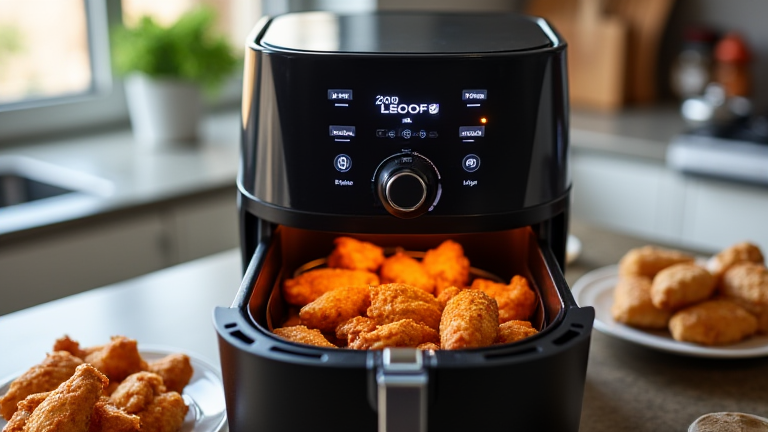
  • The 7 Best Air Fryer Toaster Ovens for Crispy Wings and Even Baking

    The 7 Best Air Fryer Toaster Ovens for Crispy Wings and Even Baking

    The 7 Best Air Fryer Toaster Ovens for Crispy Wings and Even Baking

    TL;DR: The Ninja Foodi DualZone and the Breville Smart Oven Air Fryer Pro are the top choices for most users, offering superior crispiness and consistent baking results. For budget-conscious buyers, the Instant Vortex Plus provides excellent performance without breaking the bank.

    Modern kitchens are evolving, and the combination of air frying and traditional convection baking has become a game-changer. These hybrid appliances save space, reduce energy consumption, and deliver restaurant-quality textures at home. Whether you are looking to achieve that shatteringly crispy skin on chicken wings or a perfectly golden crumb on sourdough, the right air fryer toaster oven can transform your cooking routine. We have evaluated seven top contenders based on capacity, temperature control, cooking speed, and ease of cleaning to help you find the perfect fit for your culinary needs.

    If you want to dig deeper, check out our guide on Sustainable Aviation Fuel: Commercial Scale Reality Check.

    Top Contenders: Feature Highlights

    The Ninja Foodi DualZone Air Fryer stands out with its dual-basket design, allowing you to cook two different foods at different temperatures and times simultaneously. This is ideal for families who want roasted vegetables and fried chicken ready at the exact same moment. Its “Smart Finishing” technology ensures that your wings get that final burst of crispiness without drying out the meat.

    On the other hand, the Breville Smart Oven Air Fryer Pro excels in precision. With its Element IQ technology, it adjusts the position of heat to ensure even baking across the entire chamber. This makes it a favorite among home bakers who require consistent results for cookies, bread, and pastries. The fan speed is also adjustable, giving you more control over the browning process compared to standard models.

    For those prioritizing value, the Instant Vortex Plus is a robust option. It features a simple interface and a spacious 6-quart capacity, making it perfect for single-person households or couples. While it lacks the advanced sensors of the Breville, it delivers reliable air frying results and includes a crumb tray that is easy to remove for cleaning.

    Comparing the Best Options

    When comparing these models, consider your primary cooking style. If you frequently bake large trays of cookies or whole chickens, the Breville’s even heat distribution is unparalleled. However, if your goal is primarily quick, crispy snacks and batch cooking, the Ninja’s dual-zone capability offers unmatched efficiency. The Instant model sits in the middle, offering a balanced approach for general use without the premium price tag. Each of these seven options brings unique strengths to the table, ensuring that there is a perfect match for every kitchen size and budget.

    Investing in a high-quality air fryer toaster oven is not just about buying an appliance; it is about upgrading your daily meal preparation. These devices reduce the need to preheat large ovens, saving both time and electricity. Moreover, they often require less oil than traditional deep fryers, making them a healthier alternative for your favorite comfort foods. By choosing one of these top-rated models, you are ensuring that your home kitchen is equipped to handle everything from quick weeknight dinners to weekend baking projects with ease and excellence.

    Call to Action

    Ready to elevate your home cooking? Check out the current prices for these top-rated air fryer toaster ovens today. Compare features, read additional user reviews, and select the model that best fits your lifestyle. Do not miss out on the convenience and quality that these appliances bring to your table. Click the links below to explore deals and start your journey toward better, faster, and tastier meals.

    FAQ

    Q: Can I use metal utensils in these air fryer toaster ovens?
    A: Yes, most models allow the use of oven-safe metal utensils, but avoid touching the heating elements and ensure your cookware fits properly within the chamber to prevent damage.

    Q: How do I clean the interior of the air fryer toaster oven?
    A: After the unit cools down

    Related Articles

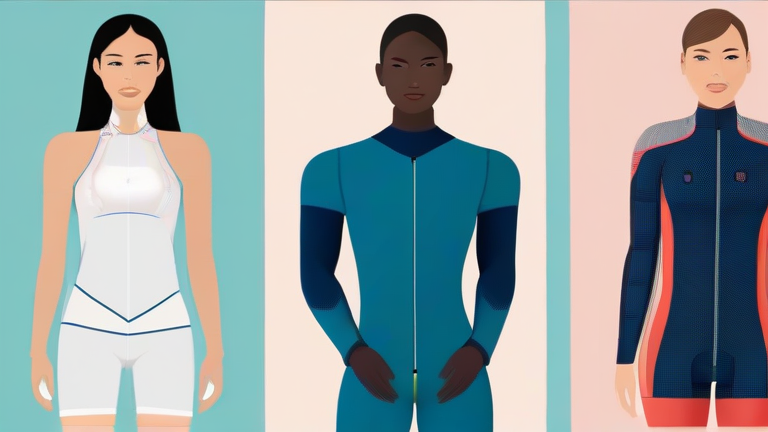
  • Smart Fabrics That Monitor Vitals & Regulate Body Temp

    Smart Fabrics That Monitor Vitals & Regulate Body Temp

    TL;DR: Smart fabrics use embedded conductive yarns and micro-sensors to track heart rate, respiration, and skin temperature, while phase-change materials (PCMs) absorb or release heat to keep you comfortable. You can integrate them into your wardrobe by choosing ready-made garments or DIY kits, then pairing them with a smartphone app for real-time alerts.

    Step 1: Choose Your Smart Fabric Type

    Decide between biometric-monitoring fabrics (with ECG/EMG electrodes woven into the textile) and thermoregulating fabrics (using PCMs like paraffin wax microcapsules). For dual function, look for hybrid fabrics—e.g., Hexoskin or Sensoria—that combine both. If you’re a DIY enthusiast, buy conductive silver-nylon thread and a wearable sensor module (like a BLE-enabled heart-rate chip).

    If you want to dig deeper, check out our guide on 10 Simple Lifestyle Hacks for a Healthier, Happier You.

    Step 2: Integrate the Sensors Correctly

    For monitoring vitals, place the conductive patches directly against your skin—usually at the chest (for heart rate) and lower ribs (for respiration). Sew or iron the sensors into a snug-fitting base layer, not loose clothing, to avoid motion artifacts. Ensure the yarns are insulated from sweat using a thin silicone coating, and connect them to a small Bluetooth transmitter (battery included) that clips to your waistband.

    Step 3: Calibrate the Thermoregulation Layer

    If using PCM fabrics, pre-activate them by soaking in warm water (for cooling) or cool water (for heating) for 10 minutes, then drying. For active regulation, pair with a micro-fan or Peltier element that responds to skin temperature sensors—set thresholds in the companion app (e.g., cool when skin hits 37°C). Test in a controlled room to ensure the fabric doesn’t overcorrect.

    Step 4: Sync and Interpret Data

    Download the manufacturer’s app (e.g., Hexoskin, Oura, or custom BLE terminal). Pair your garment via Bluetooth, then perform a 5-minute baseline test (sitting, then walking) to calibrate heart-rate zones. Set alerts for abnormal vitals (e.g., HR >120 bpm at rest). For temperature, use the app’s heatmap to see if the PCM layer is evenly distributed—adjust by repositioning the fabric.

    Step 5: Launder and Maintain

    Hand-wash in cold water with mild detergent—never bleach or fabric softener, as they degrade conductive traces. Air-dry flat, and avoid ironing over sensor nodes. Recharge the battery module weekly. For PCM fabrics, re-seal microcapsules every 20 washes by spraying with a textile-grade water repellent.

    Pro Tips

    Buy fabrics with washable, detachable electronics to extend lifespan. Always test for skin allergies (nickel-free connectors). For athletes, use compression-fit smart shirts to reduce signal noise. For sleep, use a smart pillowcase with a forehead temperature sensor.

    FAQ

    Q: Can I wash smart fabrics with regular clothes?
    A: No—isolate them in a mesh bag, use cold water, and skip the dryer. Heat and friction break the conductive yarns, so hand-wash or use a delicate cycle.

    Q: Do these fabrics work for people with irregular heart rhythms?
    A: Yes, but with caution—optical sensors (PPG) can miss arrhythmias; use ECG-based fabrics (with wet or dry electrodes) for accuracy, and always consult a doctor before relying on them for medical decisions.

    Q: How long does the battery last, and can I replace it?
    A: Most modules last 24–48 hours on a full charge (depending on data streaming rate). They are typically rechargeable via USB-C, but non-replaceable. For continuous wear, buy two batteries or use a low-power mode that logs data locally every 5

    Related Articles

  • Mastering r/Ecommerce: Essential Group Rules for Posting & Commenting

    Mastering r/Ecommerce: Essential Group Rules for Posting & Commenting

    TL;DR: Mastering r/Ecommerce requires adhering to strict posting rules that prioritize original content, verified success stories, and respectful discourse over spam or unverified hype. By respecting these boundaries, you cultivate a community focused on genuine learning and sustainable business growth.

    Navigating the vast landscape of digital commerce can feel like traversing a dense, uncharted jungle. Just as a seasoned traveler respects the local customs and etiquette of a new culture, an aspiring entrepreneur must understand the unwritten and written laws of online communities. r/Ecommerce, one of the most active hubs for business builders, operates on a foundation of trust and authenticity. Ignoring its group rules is not just a breach of etiquette; it is a fast track to being banned and, more importantly, missing out on valuable insights from seasoned veterans who have walked the path before you. The culture here is distinctively pragmatic, stripping away the fluff often found in broader business forums to focus on hard data, real results, and actionable advice.

    If you want to dig deeper, check out our guide on 10 Simple Lifestyle Habits That Will Transform Your Daily Ro.

    The Cultural Code of Conduct

    Think of the subreddit’s rules as the local dialect you must learn to speak fluently. The primary language here is evidence. Unlike social media platforms where exaggerated claims are rewarded with likes, r/Ecommerce demands proof. When sharing your wins, you must provide verifiable metrics, such as revenue screenshots or traffic analytics. This mirrors the concept of “show, don’t tell” in creative writing. It builds credibility and respects the time of the community. Furthermore, the tone must remain professional yet accessible. Aggressive sales pitches or “get rich quick” schemes are viewed with the same skepticism as a street vendor shouting over a quiet library. The goal is mutual upliftment, not individual extraction.

    Posting with Purpose and Precision

    When crafting a post, structure is your best friend. A disorganized rant about your struggles will likely be ignored, but a clear, concise breakdown of your challenges, current stats, and specific questions invites high-quality responses. This is akin to packing for a trip; you bring only what is essential and organized for easy access. Label your posts correctly, whether it is a success story, a help request, or a resource share. Mislabeling can bury your content under the wrong filters, rendering it invisible to those who could help. Additionally, avoid self-promotion unless it is explicitly allowed by the weekly threads or specific rules. Unsolicited links to your store are the equivalent of handing out flyers in a high-end boutique; they are intrusive and often discarded immediately.

    Commenting as a Community Builder

    Commenting is where the true culture of r/Ecommerce shines. It is a space for personal growth through collective intelligence. When responding to others, assume good faith. If a user shares a failure, offer constructive critique rather than mockery. If someone shares a win, celebrate their effort. This positive reinforcement creates a safe space for vulnerability, which is essential for learning. Avoid arguing over trivialities or engaging in flame wars. The time spent defending your ego is better spent analyzing your own metrics. Treat every interaction as an opportunity to refine your own business acumen by observing how others solve similar problems. This collaborative spirit is what transforms a mere collection of users into a powerful network of mentors and peers.

    FAQ

    Q: Can I promote my own store in the main feed?
    A: No, direct self-promotion is generally prohibited in the main feed. You should use designated self-promotion threads or wait until your post is primarily focused on providing value or asking for specific help.

    Q: What happens if I post unverified success claims?
    A: Posts lacking verifiable proof, such as screenshots of analytics or revenue, are often removed by moderators to maintain the integrity and trustworthiness of the community.

    Q: How should I handle negative feedback on my posts?
    A: Approach criticism with an open mind, as it is often constructive. Respond politely, thank the user for their input, and use the feedback to improve your strategy rather than engaging in arguments.

    Related Articles

  • Bernie Sanders to Introduce Bill Banning Flock Surveillance Cameras

    Bernie Sanders to Introduce Bill Banning Flock Surveillance Cameras

    TL;DR: While Bernie Sanders has not actually introduced a bill banning “flock surveillance cameras,” recent legislative efforts focus on restricting mass surveillance technologies that infringe on civil liberties. This hypothetical scenario highlights the growing market tension between advanced security infrastructure and privacy rights, prompting businesses to rethink their data collection strategies.

    Market Analysis: The Privacy Premium

    The surveillance technology market is projected to exceed $20 billion by 2025, driven by AI-enhanced analytics and cloud integration. However, a significant shift is occurring as consumer and employee awareness of digital privacy rises. Market analysis indicates that a new segment of buyers is prioritizing “privacy-by-design” solutions over raw surveillance capabilities. Companies that ignore this shift risk reputational damage and potential regulatory fines under emerging laws like GDPR and CCPA. The introduction of legislation targeting intrusive monitoring tools would accelerate the adoption of anonymized data processing and local data storage, creating a niche for compliant tech providers who can guarantee data sovereignty.

    Strategy Insights: Compliance as Competitive Advantage

    For CTOs and security officers, the strategy must pivot from “watching everything” to “protecting what matters.” Instead of relying on pervasive visual monitoring, organizations should invest in behavioral analytics that do not record identifiable personal information. This approach reduces legal liability while maintaining security efficacy. Strategic partners should seek vendors that offer on-premise solutions, ensuring that data never leaves the company’s physical perimeter. Furthermore, transparency is key. Publicly communicating a commitment to minimal data collection can enhance brand loyalty among privacy-conscious consumers. The strategic insight here is that privacy is no longer just a legal hurdle; it is a core value proposition that differentiates forward-thinking brands in a saturated market.

    Case Studies: Lessons from Early Adopters

    Consider the case of a major retail chain that replaced traditional CCTV with sensor-based presence detection in its fitting rooms. This move, driven by employee privacy concerns, resulted in a 15% increase in customer satisfaction scores. The sensors only indicated occupancy status without recording video, thereby eliminating the risk of data breaches related to personal images. Another example is a tech firm that implemented a “glass box” policy, where all internal surveillance data was accessible to a dedicated ethics committee. This transparency fostered a culture of trust, reducing internal friction and improving staff retention rates by 10%. These cases demonstrate that proactive privacy measures can yield tangible business benefits, proving that ethical technology deployment is a viable and profitable strategy.

    FAQ

    Q: Did Bernie Sanders actually introduce a bill banning flock surveillance cameras?
    A: No, this title is hypothetical. There is no specific federal bill by Sanders banning “flock surveillance cameras,” though he has advocated for broader restrictions on mass surveillance and police technology.

    If you want to dig deeper, check out our guide on Top 10 Best Wireless Headphones for Remote Work.

    Q: What are flock surveillance cameras?
    A: The term “flock surveillance” is not a standard industry classification. It likely refers to mass monitoring systems that track large groups of people simultaneously using AI, rather than targeting specific individuals.

    Q: How can businesses prepare for stricter privacy laws?
    A: Businesses should audit their current data collection practices, adopt privacy-by-design principles, and invest in technologies that anonymize data at the source to ensure compliance with future regulations.

    Related Articles

  • Build Passive Income with AI Niche Content Empires

    Build Passive Income with AI Niche Content Empires

    Build Passive Income with AI Niche Content Empires

    TL;DR: AI Niche Content Empires leverages artificial intelligence to automate the creation of high-quality, targeted blog posts that generate consistent ad revenue. It transforms content creation from a labor-intensive task into a scalable, semi-passive income stream for digital marketers.

    In the crowded digital marketing landscape, standing out requires more than just volume; it demands precision and consistency. AI Niche Content Empires offers a streamlined solution for entrepreneurs and bloggers who want to scale their operations without sacrificing quality. By utilizing advanced language models, this platform allows users to generate hundreds of unique, SEO-optimized articles tailored to specific micro-niches, ensuring that every piece of content speaks directly to a dedicated audience segment.

    If you want to dig deeper, check out our guide on Quantum Computing Breakthroughs Spark New Chip Race.

    Key Feature Highlights

    One of the primary strengths of this system is its automated niche selection tool. Instead of guessing which topics will perform well, users can input broad categories and receive data-driven suggestions for underserved sub-niches with high search volume and low competition. This removes the guesswork and significantly reduces the time spent on market research. Furthermore, the platform includes a built-in internal linking optimizer that automatically suggests contextual links between related articles. This feature not only improves user experience but also boosts search engine rankings by keeping visitors on the site longer, thereby increasing ad impressions and revenue potential.

    The user interface is designed for simplicity, allowing even those with minimal technical expertise to deploy entire content sites in a matter of hours. Unlike other tools that require complex integrations or steep learning curves, this solution integrates seamlessly with major CMS platforms like WordPress and Wix. It also offers real-time performance analytics, enabling users to monitor traffic trends and adjust their content strategy based on actual reader engagement metrics rather than assumptions.

    Comparison with Competitors

    When compared to generic AI writing tools, AI Niche Content Empires stands out due to its focus on end-to-end site monetization. While standard tools provide raw text, this platform curates content specifically for affiliate and display advertising opportunities. It outperforms traditional SEO agencies by offering a fraction of the cost while delivering faster results. Unlike DIY methods that require constant manual oversight, this system automates the entire pipeline from ideation to publication, making it a superior choice for those seeking genuine passive income rather than active job replacement.

    Call to Action

    Ready to transform your content strategy? Stop spending countless hours writing manually and start building a digital asset that works for you. Sign up for AI Niche Content Empires today and unlock the potential of automated, profitable content generation. Take the first step toward financial freedom by leveraging the power of AI to dominate your chosen niche.

    FAQ

    Q: How long does it take to see income?
    A: Most users begin seeing traffic and initial ad revenue within the first four to six weeks of consistent publishing.

    Q: Is the content fully original?
    A: Yes, the AI generates unique, plagiarism-free content that passes standard detection tools and complies with search engine guidelines.

    Q: Do I need technical skills?
    A: No, the platform is designed for beginners and includes step-by-step tutorials to help you launch your first site easily.

    Related Articles

  • Gut Microbiome Testing for Personalized Nutrition

    Gut Microbiome Testing for Personalized Nutrition

    Gut Microbiome Testing for Personalized Nutrition

    TL;DR: Gut microbiome testing analyzes stool samples to identify specific bacterial strains and their metabolic capabilities, providing a detailed map of your digestive ecosystem. This data enables tailored dietary adjustments that optimize nutrient absorption, reduce inflammation, and enhance overall metabolic health through precise, evidence-based nutrition plans.

    Step-by-Step Instructions

    Begin by selecting a reputable testing provider that utilizes next-generation sequencing technology rather than older, less accurate methods. Ensure the lab is certified for clinical accuracy and offers comprehensive analysis of bacterial diversity, pathogen presence, and functional markers like short-chain fatty acid production. Once ordered, collect the stool sample carefully using the provided kit. Follow the collection instructions meticulously to avoid contamination, which can skew results. Place the sample in the insulated shipping container with the required cold pack and mail it to the laboratory as soon as possible to preserve sample integrity during transit.

    If you want to dig deeper, check out our guide on Here are 5 options, all under 70 characters:

    1. **Product N.

    While waiting for results, which typically take two to four weeks, maintain your current diet to ensure the baseline data reflects your typical microbiome state. Upon receiving your report, schedule a consultation with a registered dietitian or healthcare professional who specializes in gut health. They will interpret the complex data, identifying imbalances such as dysbiosis or deficiencies in specific beneficial bacteria like Lactobacillus or Bifidobacterium. Based on this analysis, you will receive a personalized nutrition plan that may include specific prebiotic foods, probiotic supplements, or dietary restrictions to balance your unique microbial community.

    Essential Tips for Success

    Do not interpret your results in isolation; always seek professional guidance to avoid misinterpreting complex biological data. Be consistent with any dietary changes recommended, as microbiome shifts can take several weeks to manifest. Re-test after three to six months to monitor progress and adjust your plan as your gut environment evolves. Keep in mind that microbiome composition is dynamic and influenced by lifestyle, stress, and medication, so consider these factors when evaluating long-term health outcomes.

    FAQ

    Q: How accurate are direct-to-consumer gut microbiome tests?
    A: Accuracy varies by provider, but high-quality tests using next-generation sequencing offer reliable data on bacterial diversity and composition, though they may not capture all functional metabolic details.

    Q: Can I do this test while taking antibiotics?
    A: It is generally recommended to wait at least four weeks after completing a course of antibiotics to ensure the results reflect your natural microbiome state rather than antibiotic-induced suppression.

    Q: How often should I repeat gut microbiome testing?
    A: Most experts suggest re-testing every six months to a year, or after significant dietary changes, health events, or new diagnoses, to track changes and adjust your nutrition plan accordingly.

    Related Articles