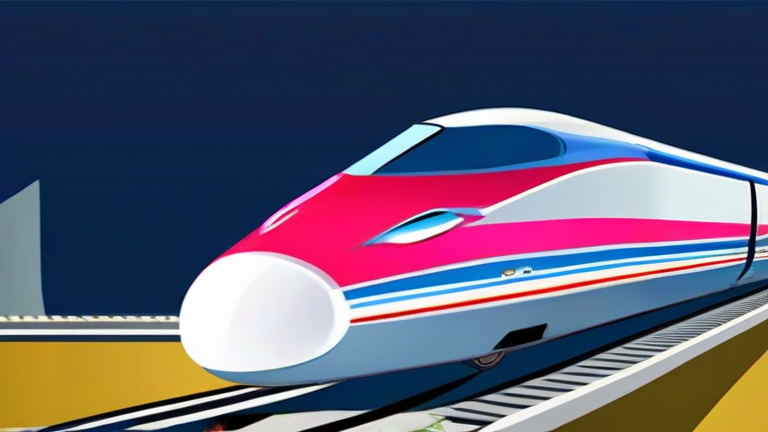
TL;DR: The claim that China’s new bullet train accelerates from 0 to 800km/h in 5 seconds is a significant exaggeration of current technological capabilities. While China leads in high-speed rail innovation, existing maglev and conventional trains operate at top speeds ranging from 350km/h to 600km/h, with acceleration rates that prioritize passenger comfort and safety over extreme velocity.
The Reality of High-Speed Rail in China
China’s railway network stands as the backbone of the nation’s transportation infrastructure, connecting major economic hubs with unprecedented efficiency. The Fuxing series, operating at 350km/h, represents the current commercial standard. However, the recent unveiling of the Fuxing Maglev, capable of 600km/h, marks a pivotal shift toward magnetic levitation technology. This system eliminates friction between the train and the track, allowing for smoother and potentially faster travel. Despite media sensationalism, reaching 800km/h in mere seconds is physically implausible for current passenger transport due to G-force limitations that would endanger human health.
Market Data and Investment Trends
The high-speed rail sector continues to attract substantial investment. According to recent market analysis, the global high-speed rail market is projected to grow at a compound annual growth rate (CAGR) of over 5% through 2030. China accounts for more than two-thirds of the world’s high-speed rail mileage. The domestic market is not only expanding its physical network but also focusing on technological upgrades. Investments in superconducting maglev technology are accelerating, with state-owned enterprises collaborating with international partners to refine aerodynamic designs and energy efficiency. This shift is driven by the need to reduce carbon emissions and enhance logistical throughput across the country.
Expert Insights on Technological Limits
Railway engineers emphasize that the primary challenge is not just speed, but energy consumption and safety. Dr. Li Wei, a senior transportation analyst, notes that “acceleration profiles are carefully calibrated to ensure passenger comfort. A zero-to-eighty acceleration in five seconds would subject passengers to extreme G-forces, making travel unsafe and uncomfortable.” Experts suggest that future innovations will focus on hybrid systems that combine conventional wheels for lower speeds with maglev capabilities for high-speed segments. This approach allows for seamless integration with existing infrastructure while maximizing speed benefits on long-distance routes.
Future Predictions and Global Impact
Looking ahead, the next decade will likely see the introduction of hyperloop concepts and advanced maglev lines connecting megacities. These developments could reduce travel times between cities like Beijing and Shanghai to under two hours. However, widespread adoption of 800km/h travel remains speculative and faces significant regulatory and physical hurdles. The industry is moving towards sustainability, with electric trains becoming the norm and hydrogen-powered prototypes undergoing testing. As urbanization increases, the demand for efficient, low-carbon transport solutions will drive further innovation. China’s leadership in this sector sets a benchmark for global railway development, influencing policies and technologies worldwide. The focus remains on balancing speed, safety, and sustainability, ensuring that future rail networks serve the needs of a growing population without compromising environmental integrity.
FAQ
Q: What is the current top speed of China’s conventional high-speed trains?
A: The current top speed for commercial conventional high-speed trains in China is 350km/h.
If you want to dig deeper, check out our guide on Twitch Lets You Opt Out of AI Training After Years of Using .
Q: How fast can China’s new maglev train travel?
A: China’s latest maglev train, the Fuxing Maglev, has a designed top speed of 600km/h.
Q: Why can’t trains accelerate from 0 to 800km/h in 5 seconds?
A: Such acceleration would create dangerous G-forces for passengers, exceeding human tolerance limits and compromising safety.
Leave a Reply