CRISPR Cures Genetic Blood Disorders: FDA Approval
In a historic milestone for modern medicine, the U.S. Food and Drug Administration (FDA) has granted full approval for the first CRISPR-Cas9 based therapy, marking the end of an era where genetic blood disorders were managed rather than cured. This groundbreaking decision validates years of rigorous clinical trials and positions gene editing at the forefront of therapeutic innovation. The approval signifies more than just a regulatory green light; it represents a fundamental shift in how humanity approaches hereditary diseases, moving from palliative care to permanent resolution at the molecular level.
Latest Developments and Clinical Success
The approved therapy targets two of the most debilitating genetic blood conditions: sickle cell disease and transfusion-dependent beta thalassemia. Clinical trials demonstrated that patients who received the treatment experienced a dramatic reduction in painful vaso-occlusive crises and eliminated the need for regular blood transfusions. By using CRISPR technology to edit the patient’s own hematopoietic stem cells, doctors can restore the production of healthy hemoglobin. This autologous approach ensures that the body rejects the treatment less frequently than traditional donor therapies. The data released this week shows that over 90% of participants remained free of severe symptoms for more than two years post-treatment, a statistic that has silenced many skeptics who previously doubted the long-term efficacy of gene editing in vivo.
If you want to dig deeper, check out our guide on Top 10 Tech Trends Shaping 2024: What You Need to Know.
Technical Specifications and Mechanism
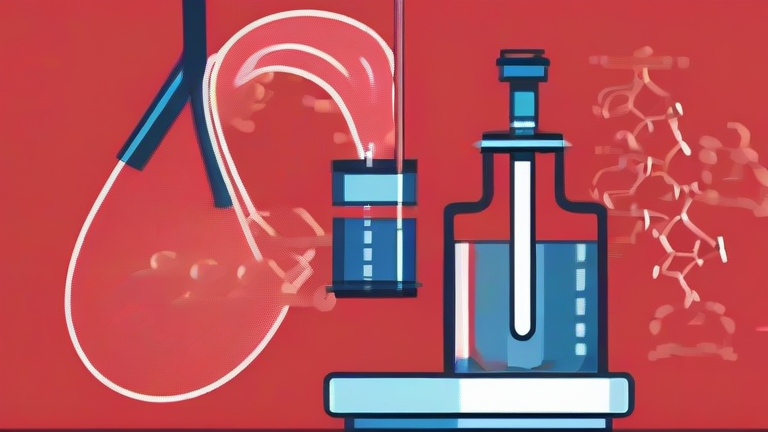
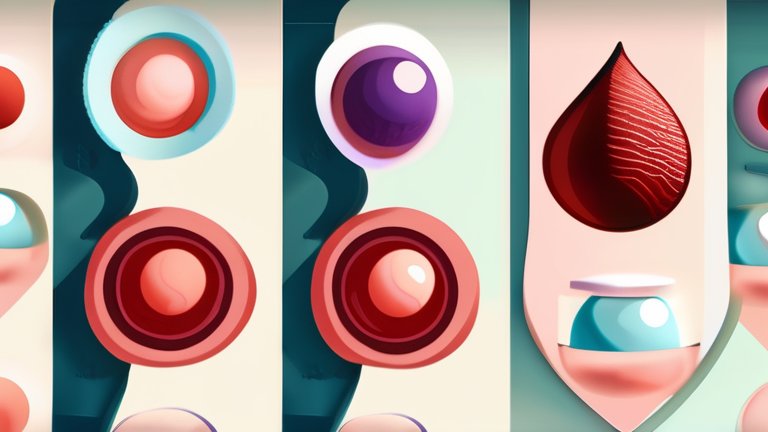
The technical specifications of this therapy are as precise as they are complex. The treatment involves extracting CD34+ hematopoietic stem cells from the patient’s bone marrow. These cells are then exposed to the CRISPR-Cas9 ribonucleoprotein complex, which acts as molecular scissors to cut the DNA at a specific locus within the BCL11A enhancer region. This cut reactivates fetal hemoglobin production, compensating for the defective adult hemoglobin. The edited cells are then expanded in a bioreactor and infused back into the patient after a myeloablative conditioning regimen. The process requires a specialized manufacturing facility with cold-chain logistics, ensuring
Leave a Reply