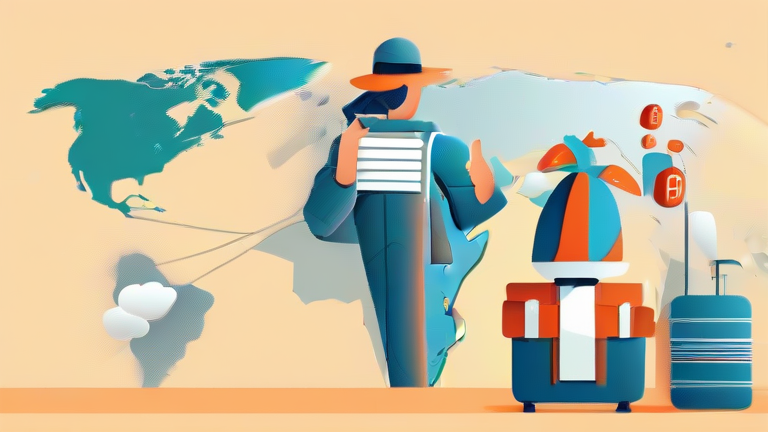
Digital Nomad Visas Reshape Global Migration Trends
The traditional concept of immigration is undergoing a seismic shift. For decades, moving abroad meant permanent relocation, often entailing the sacrifice of one’s current career and social network. Today, a new breed of traveler is emerging: the digital nomad. Equipped with high-speed Wi-Fi, a laptop, and the freedom of remote work, these individuals are not just tourists; they are temporary residents who seek to embed themselves in local communities while maintaining their global careers. This phenomenon is not merely a lifestyle trend but a fundamental restructuring of global migration patterns, driven by the proliferation of Digital Nomad Visas (DNVs) across the globe.

At the heart of this movement is the promise of experiential living. Unlike the rushed itinerary of a standard tourist, the digital nomad embraces the slow travel philosophy. They spend weeks or months in a single city, allowing them to move beyond the superficial layers of tourism. This depth of engagement fosters genuine cultural exchange. A developer from Toronto might take salsa lessons in Medellin, while a graphic designer from Berlin might learn to bake sourdough bread in a traditional bakery in Lisbon. These interactions break down cultural barriers, fostering a sense of global citizenship that is rooted in personal connection rather than passive observation.
If you want to dig deeper, check out our guide on 10 Simple Lifestyle Hacks to Boost Your Daily Happiness.
Food plays a pivotal role in this cultural immersion. For the nomad, the local market becomes a daily ritual, a place to connect with vendors and understand the culinary soul of the host country. This isn’t just about eating; it is about participating in the local economy and respecting regional traditions. The shift from hotel buffets to neighborhood tapas bars or street food stalls transforms dining into an act of cultural preservation and personal growth. It challenges the nomad to step out of their comfort zone, trying dishes they might never have encountered at home, thereby expanding
Leave a Reply