TL;DR: Esports has evolved from a niche hobby into a global cultural phenomenon that rivals traditional sports in viewership and economic impact. This rise is reshaping how we consume competitive entertainment, blending digital innovation with the timeless appeal of high-stakes human performance.
The New Arena: Where Digital Meets Physical
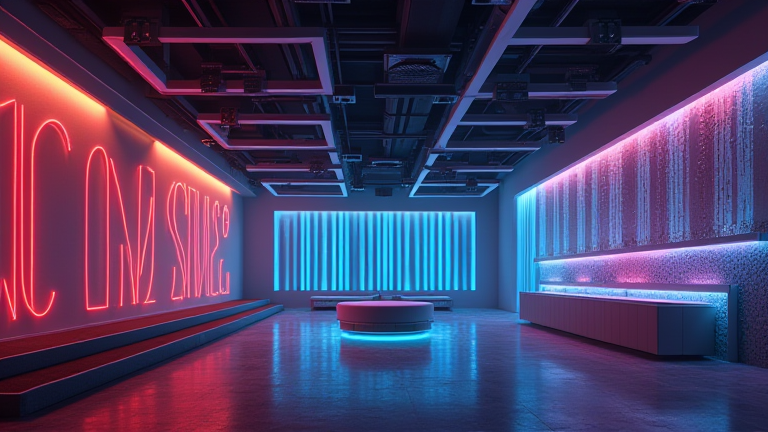
Gone are the days when competitive gaming was confined to dimly lit basements or isolated internet cafes. Today, the landscape of entertainment has shifted dramatically, with esports arenas drawing crowds that rival those of traditional football stadiums. This transition is not merely about technology; it is about culture. The rise of competitive gaming represents a profound shift in how society defines athleticism, community, and spectacle. It is a lifestyle that blends the thrill of travel with the immersion of digital worlds, creating a unique hybrid experience for fans worldwide.
If you want to dig deeper, check out our guide on Neural Interfaces: Direct Brain-Computer Control Explained.

Travel and the Global Circuit
For the modern enthusiast, following esports has become a new form of cultural travel. Major tournaments in cities like Seoul, Berlin, and Los Angeles have transformed these locations into pilgrimage sites for gamers. Fans do not just watch matches; they immerse themselves in the local culture, exploring street food, historic landmarks, and nightlife while connecting with fellow fans from across the globe. This travel aspect fosters a sense of global community that transcends language barriers, united by a shared passion for the game. The energy in these cities during championship weekends is palpable, creating a festive atmosphere that mirrors the best traditions of international sporting events.
Food and Community
The intersection of food and esports is another fascinating development. Tournament venues often feature culinary experiences that highlight the host city’s gastronomic identity. From ramen bars in Tokyo to craft beer festivals in Austin, food becomes a bridge between the virtual and physical worlds. Personal growth for participants and fans alike comes from these interactions. Learning to navigate foreign cities, trying new cuisines, and building friendships with diverse groups of people enriches the overall experience. It is no longer just about winning or losing a match; it is about the journey, the connections made, and the memories created in vibrant, bustling environments.
Culture and Identity
Esports is reshaping cultural narratives around competition. It challenges traditional notions of what it means to be an athlete, emphasizing reflexes, strategic thinking, and teamwork over physical strength. This shift allows for greater inclusivity, enabling individuals from all backgrounds to participate and excel. The lifestyle associated with esports is one of constant evolution and adaptation, mirroring the rapid pace of technological change. Fans are not passive observers; they are active participants in a dynamic cultural movement that values innovation, creativity, and digital literacy.
FAQ
Q: How has esports changed the way people travel for entertainment?
A: Esports has turned major tournaments into global travel destinations, where fans combine watching competitions with exploring local culture, food, and landmarks, creating a hybrid travel experience.
Q: What role does food play in the modern esports lifestyle?
A: Food serves as a cultural bridge at tournaments, allowing fans to experience local gastronomy while connecting with others, enhancing the social and immersive aspects of attending events.
Q: Why is esports considered a significant cultural shift compared to traditional sports?
A: Esports redefines athleticism by prioritizing digital skills and strategy, offering a more inclusive and technologically integrated form of competition that resonates with a globally connected, digital-native generation.
Leave a Reply