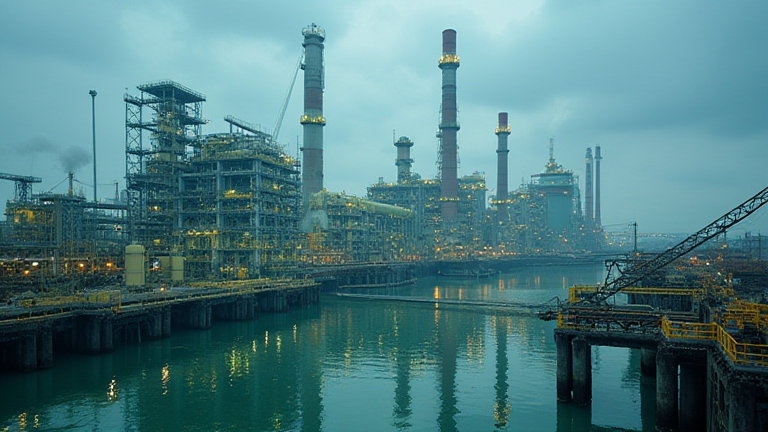
Green Hydrogen: Powering Heavy Industry’s Clean Future
TL;DR: Green hydrogen is produced by splitting water using renewable electricity, offering a zero-carbon fuel for high-heat industrial processes. It enables sectors like steel and cement to decarbonize effectively where electrification is technically or economically impractical.
Transitioning heavy industry to green hydrogen requires a strategic, phased approach. First, conduct a comprehensive energy audit to identify high-temperature processes currently reliant on fossil fuels. Focus on steelmaking, cement production, and ammonia synthesis, as these sectors have the highest potential for hydrogen substitution. Understanding your specific thermal and chemical requirements is crucial before investing in infrastructure.
If you want to dig deeper, check out our guide on Quantum-Safe Encryption: The New Boardroom Priority.
Next, secure a reliable supply of renewable energy. Green hydrogen is only as clean as the electricity used to produce it. Establish long-term power purchase agreements (PPAs) with wind or solar providers to ensure low-carbon electricity availability. This step mitigates market volatility and ensures a consistent feedstock for your electrolyzers.
Step three involves selecting the appropriate electrolyzer technology. Proton Exchange Membrane (PEM) electrolyzers offer fast response times, ideal for fluctuating renewable grids, while alkaline electrolyzers are currently more cost-effective for large-scale, steady-state operations. Evaluate both based on your site’s power stability and scale requirements.
Install the electrolysis system and integrate it with existing gas handling infrastructure. Ensure rigorous safety protocols are in place, as hydrogen has a wide flammability range and low ignition energy. Train personnel on handling high-pressure hydrogen safely and implement continuous monitoring systems for leak detection.
Finally, integrate the green hydrogen into your industrial processes. For steel, replace coal-based reduction agents with hydrogen in direct reduction iron (DRI) plants. For ammonia production, substitute natural gas with green hydrogen in the Haber-Bosch process. Monitor emissions closely to verify carbon reduction goals are being met.
Tip: Collaborate with local utilities and governments to access incentives and subsidies, which can significantly offset the high initial capital expenditure of hydrogen projects. Tip: Start with a pilot project to test operational efficiency and refine processes before scaling up to full production capacity. This reduces risk and allows for iterative improvements in system design and management.
FAQ
Q: Is green hydrogen cheaper than natural gas?
A: Currently, green hydrogen is more expensive than natural gas, but costs are declining rapidly as electrolyzer technology improves and renewable energy prices fall, making it increasingly competitive.
Q: How much land is required for green hydrogen production?
A: Land requirements depend on the renewable source, but producing one ton of hydrogen requires approximately 10 to 20 megawatt-hours of electricity, necessitating significant solar or wind farm space depending on local resource availability.
Q: Can existing pipelines transport green hydrogen?
A: Many existing natural gas pipelines can transport low concentrations of hydrogen, but high-purity green hydrogen often requires dedicated pipelines or blending limitations to prevent material embrittlement and safety issues.
Leave a Reply