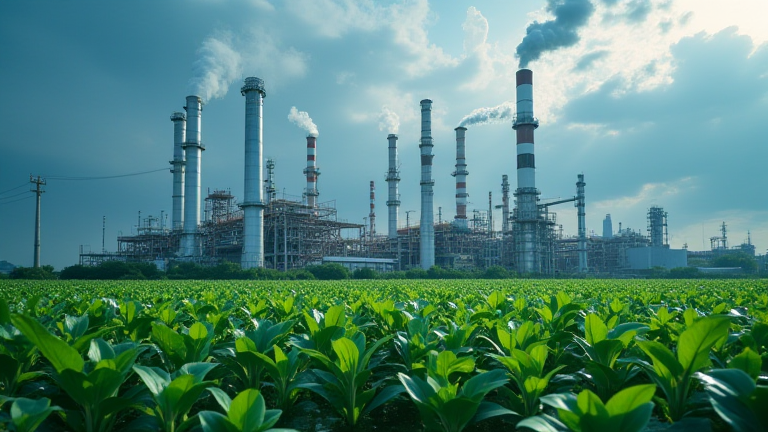
TL;DR: Green hydrogen is made by splitting water with renewable electricity, then used to replace fossil fuels in steel, chemicals, and heavy transport. This guide walks you through planning, producing, and deploying it to cut industrial emissions.
Step 1: Map Your Emissions and Identify Replaceable Fuels
Audit your plant’s energy use and pinpoint processes that burn coal, natural gas, or oil at high temperatures or as chemical feedstock. Steel, ammonia, methanol, and cement are prime candidates. Prioritize the applications where electrification is impractical—those are your best green hydrogen targets.
If you want to dig deeper, check out our guide on **Gut Microbiome Testing Goes Mainstream: What to Know**
(5.
Step 2: Secure Renewable Power and an Electrolyzer
Contract wind or solar capacity sized to your hydrogen demand, accounting for capacity factors and storage. Choose an electrolyzer technology: alkaline for low-cost, steady operation; PEM for fast ramp-up with variable renewables. Co-locate generation and electrolysis where possible to avoid grid bottlenecks.
Step 3: Plan Storage and Transport
Hydrogen is bulky and leak-prone. Decide early whether to store it as compressed gas, liquid, or via a carrier like ammonia. For industrial clusters, shared pipelines cut costs dramatically. If you’re a single site, on-site storage plus trucking may suffice.
Step 4: Retrofit or Design Your Process
Adapt burners, furnaces, and reactors to handle hydrogen’s higher flame speed and different heat profile. In direct reduced iron, hydrogen replaces coke as the reducing agent. Run pilot tests before full conversion—small-scale trials catch metallurgy and safety issues cheaply.
Step 5: Build Safety and Certification Systems
Install leak detection, ventilation, and flame detectors rated for hydrogen’s invisible flame. Train staff on handling and emergency response. Pursue certification for your hydrogen’s carbon intensity—buyers and regulators increasingly demand verified low-carbon credentials.
Step 6: Lock In Offtake and Incentives
Sign long-term purchase agreements with anchor buyers to de-risk investment. Stack public support—tax credits, grants, and contracts for difference—to close the cost gap with fossil alternatives. Track policy changes, as incentives shift quickly.
Tips for Success
Start small with a pilot line rather than a full plant conversion. Partner with electrolyzer vendors on performance guarantees. Model levelized cost across a decade, not just year one. Engage regulators early on permitting for hydrogen storage and transport.
FAQ
Q: Is green hydrogen cost-competitive with natural gas today?
A: Not yet in most regions—it typically costs two to four times more. Falling electrolyzer prices, cheaper renewables, and subsidies are narrowing the gap, especially where carbon prices are high.
Q: Which industries should adopt it first?
A: Steel, ammonia, methanol, and refining offer the fastest payback because they already use hydrogen or need high heat that electricity can’t easily supply.
Q: How much renewable power does one kilogram of hydrogen require?
A: Roughly 50–55 kWh of electricity per kilogram, so a 100 MW electrolyzer running continuously produces about 1,800–2,000 kg per hour.
Leave a Reply