
TL;DR: Green hydrogen is rapidly transforming heavy industry by providing a scalable, zero-emission energy source for sectors like steel, cement, and shipping that are difficult to decarbonize. Its adoption is driven by falling electrolyzer costs, supportive government policies, and urgent corporate sustainability mandates, signaling a definitive shift toward cleaner industrial operations.
The Industrial Decarbonization Imperative
Heavy industry accounts for approximately 30% of global energy-related carbon emissions, making it a critical target for climate action. Unlike light-duty transportation, which has seen rapid electrification, industries such as steelmaking and chemical production rely on high-temperature heat and chemical reactions that electricity alone cannot easily replace. Green hydrogen, produced via electrolysis powered by renewable energy, offers a viable solution. It serves as both a clean fuel and a crucial reducing agent, replacing coal and natural gas in processes like direct reduced iron (DRI) production. This transition is not merely an environmental choice but an economic necessity as carbon taxes tighten and supply chains demand lower embodied carbon.
If you want to dig deeper, check out our guide on Real-Time Gut Microbiome Data Powers Personalized Nutrition.
Market Dynamics and Strategic Insights
The global green hydrogen market is projected to grow exponentially, with valuations expected to exceed $1 trillion by 2050. This growth is fueled by declining costs of renewable energy and electrolyzers, alongside robust policy frameworks like the EU’s Hydrogen Bank and the U.S. Inflation Reduction Act’s Section 45V tax credits. Companies are adopting a dual strategy: securing long-term offtake agreements to de-risk projects and forming strategic partnerships between energy giants and industrial manufacturers. For instance, steel producers are investing in pilot plants to validate technology, while chemical firms are exploring hydrogen as a feedstock for green ammonia. The key strategic insight is that early movers will secure supply chain advantages and brand equity, positioning themselves as leaders in the circular economy.
Case Studies in Action
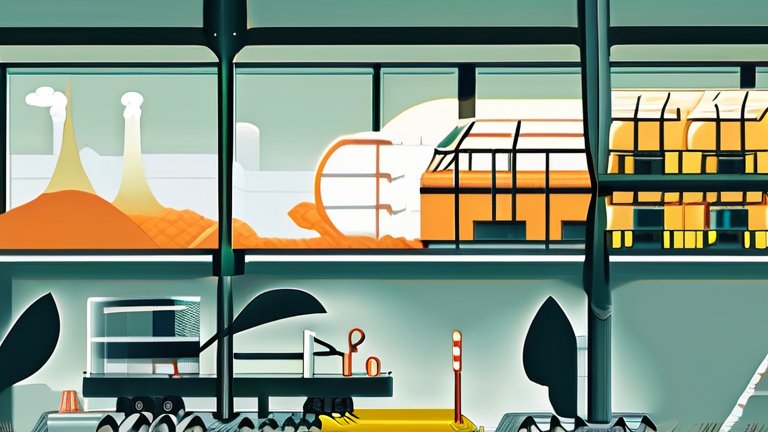
Real-world applications are already emerging. SSAB, a Swedish steelmaker, has partnered with LKAB and Vattenfall to replace coking coal with hydrogen in steel production, aiming for fossil-free steel by 2026. This project demonstrates the technical feasibility of using hydrogen as a reducing agent. Similarly, in Germany, Thyssenkrupp is developing the “HYBRIT” technology, which uses hydrogen instead of coke for iron ore reduction, significantly cutting CO2 emissions. In the chemical sector, BASF is investing in hydrogen infrastructure to produce green methanol, reducing the carbon footprint of its plastic products. These case studies highlight that while challenges remain, such as infrastructure development and initial capital expenditure, the path forward is clear. Collaboration across value chains is essential to scale these solutions from pilot projects to commercial reality.
FAQ
Q: What is the primary difference between green and grey hydrogen?
A: Green hydrogen is produced using renewable energy to power electrolysis, resulting in zero carbon emissions, whereas grey hydrogen is produced from natural gas via steam methane reforming, releasing significant CO2.
Q: Why is green hydrogen critical for the steel industry?
A: Steel production traditionally relies on coking coal, which emits large amounts of carbon; green hydrogen can replace coal as a reducing agent, enabling the production of “green steel” with minimal environmental impact.
Q: What are the main barriers to widespread green hydrogen adoption?
A: Key barriers include high production costs compared to fossil fuels, lack of widespread distribution infrastructure, and the need for significant capital investment in electrolyzer technology and renewable energy capacity.
Leave a Reply