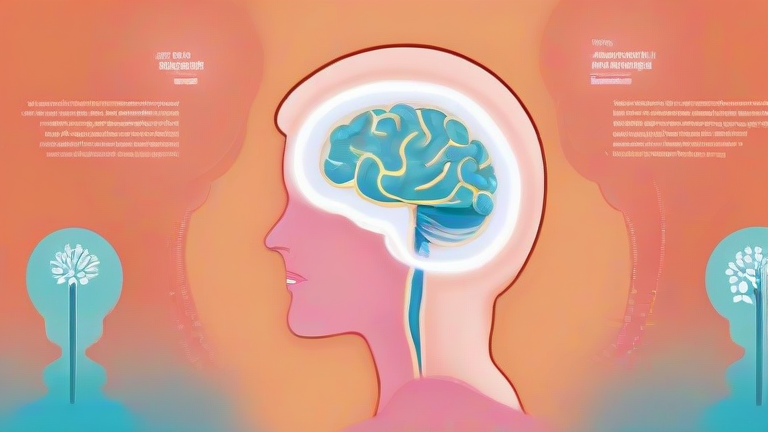
Gut-Brain Axis: Microbiome Therapies for Mental Health
TL;DR: Emerging microbiome therapies target the gut-brain axis to alleviate symptoms of anxiety and depression by modulating intestinal flora. While promising, these treatments are not standalone cures but rather complementary approaches that require medical supervision and lifestyle integration for optimal results.
The intersection of gastroenterology and psychiatry has birthed a revolutionary field focused on the gut-brain axis. This bidirectional communication network links the enteric nervous system with the central nervous system, suggesting that what happens in your gut can significantly influence your mood, cognition, and behavior. As research deepens, microbiome therapies are emerging as viable options for individuals struggling with mental health challenges who have found limited relief through traditional methods alone. These therapies aim to restore balance to the intestinal ecosystem, thereby reducing systemic inflammation and enhancing neurotransmitter production.
If you want to dig deeper, check out our guide on Digital Wellness Trends: Screen-Free Mental Health Prioritie.
Key Feature Highlights
Modern microbiome interventions are diverse, ranging from specific probiotic strains to prebiotic fibers and targeted dietary modifications. Leading products now offer personalized formulations based on stool analysis, ensuring that the specific bacterial deficiencies unique to an individual are addressed. Key features include high CFU counts of clinically studied strains like Lactobacillus and Bifidobacterium, which have shown potential in reducing cortisol levels and improving emotional regulation. Additionally, many advanced therapies incorporate postbiotics, which are beneficial byproducts of bacterial fermentation, offering immediate soothing effects on the gut lining while waiting for new bacteria to establish themselves.
Transparency is another critical feature in today’s market. Reputable brands provide third-party lab testing results to verify purity, potency, and the absence of contaminants. This level of assurance is crucial for consumers who may already be dealing with health vulnerabilities. Furthermore, digital companion apps often accompany these therapies, providing mood tracking and dietary logs to help users correlate their physical intake with their mental state over time.
Comparisons with Traditional Treatments
When comparing microbiome therapies to traditional psychotherapy or pharmacological interventions, the primary difference lies in the mechanism of action. While SSRIs directly alter serotonin reuptake, microbiome therapies work indirectly by supporting the production of neurotransmitters like GABA and serotonin, of which roughly 90% is produced in the gut. This indirect approach often results in fewer side effects, such as sexual dysfunction or weight gain, which are common complaints with standard antidepressants. However, the onset of action can be slower, typically requiring several weeks of consistent use to observe significant changes in mental clarity or mood stability. Therefore, these therapies are best viewed as adjunctive tools rather than replacements for proven clinical treatments.
Compared to general wellness probiotics, therapeutic-grade microbiome products are more specific and concentrated. General probiotics are designed for digestive health, whereas therapeutic strains are selected for their psychobiotic potential. The cost is generally higher, reflecting the rigorous clinical trials and specialized manufacturing processes involved. Users must weigh the financial investment against the potential for holistic improvement in both physical and mental well-being.
Call to Action
If you are curious about the potential of the gut-brain axis for your personal health journey, start with a consultation with a healthcare provider who understands integrative medicine. Do not self-prescribe high-dose therapeutic probiotics without professional guidance, especially if you have a compromised immune system or are currently on psychiatric medication. Begin by tracking your current diet and mood patterns, and consider a baseline stool test to identify any existing dysbiosis. Small, consistent changes in diet and the addition of targeted probiotics can yield profound results over time. Your mind and body are connected; nurture both for a healthier, more balanced life.
FAQ
Q: Can probiotics cure clinical depression?
A: No, probiotics are not a cure for clinical depression. They are a complementary therapy that may help alleviate mild to moderate symptoms by improving gut health and reducing inflammation, but they should not replace professional psychiatric care or medication without doctor supervision.
Q: How long does it take to see mental health benefits?
A: Most users report initial
Leave a Reply