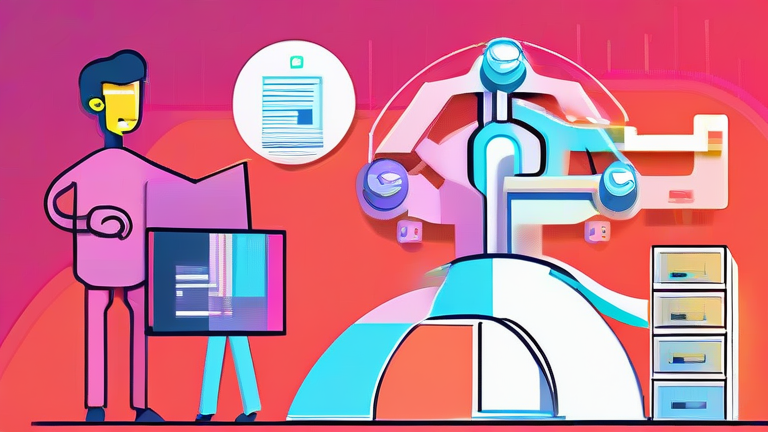
How AI Agents Automate Enterprise Workflows
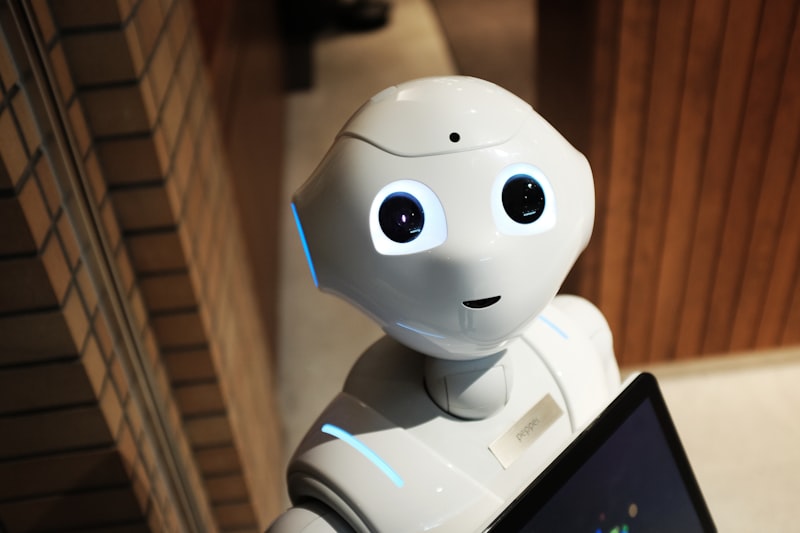
In the modern corporate landscape, the integration of Artificial Intelligence Agents has transformed how enterprises manage complex operational tasks. These autonomous software entities do not merely execute commands; they perceive their environment, reason through data, and act to achieve specific goals. This shift from passive automation to active agency is reshaping productivity metrics across industries. However, the rapid adoption of these technologies often leads to increased screen time, constant connectivity, and decision fatigue for employees. To sustain long-term career longevity, it is crucial to balance technological efficiency with human well-being.
The Science of Cognitive Load
Neuroscience suggests that multitasking significantly impairs cognitive performance. When employees switch between AI-driven dashboards, email, and collaborative platforms, their brains suffer from attention residue, a phenomenon where focus lingers on a previous task. This reduces the quality of work and increases mental stress. Research published in the *Journal of Applied Psychology* indicates that uninterrupted deep work sessions can boost productivity by up to 50% while simultaneously reducing burnout rates. Therefore, leveraging AI agents to handle repetitive administrative burdens is not just an efficiency hack; it is a cognitive health strategy. By offloading data sorting, scheduling, and initial report generation to AI, workers can reclaim mental bandwidth for high-value, creative tasks that require genuine human insight.
Lifestyle Tips for the AI-Enhanced Workplace
To maintain physical and mental health in an AI-automated environment, consider implementing the following evidence-based practices:
First, establish strict digital boundaries. Just as an AI agent has defined operational parameters, humans need clear start and end times for work. Use automation tools to set “do not disturb” modes that trigger automatically after hours, ensuring your nervous system has time to downregulate from stress hormones like cortisol.
Second, prioritize ergonomic movement. AI agents work without fatigue, but human biology is not designed for static postures. Adopt the 20-20-20 rule: every
Leave a Reply