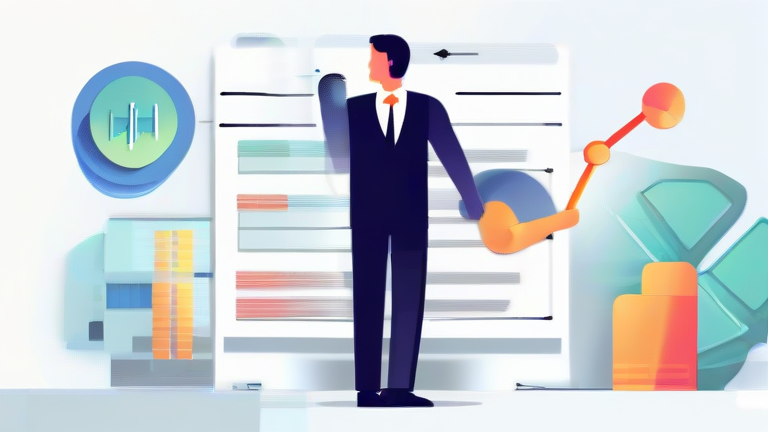
How AI Agents Automate Enterprise Workflows
In the rapidly evolving landscape of modern business technology, the integration of artificial intelligence has shifted from a futuristic concept to an operational necessity. At the forefront of this transformation are AI agents, sophisticated software entities capable of perceiving their environment, reasoning, and acting autonomously to achieve specific goals. This article explores how these intelligent systems are revolutionizing enterprise workflows, offering unparalleled efficiency and scalability that traditional automation tools simply cannot match.
Unlike standard robotic process automation (RPA), which follows rigid, pre-defined scripts, AI agents possess the cognitive ability to adapt to dynamic situations. They can interpret unstructured data, make complex decisions, and execute multi-step tasks without human intervention. This capability is particularly transformative for enterprises dealing with high volumes of repetitive yet cognitively demanding tasks, such as customer support triage, financial reconciliation, and supply chain logistics management. By delegating these responsibilities to AI agents, companies can significantly reduce operational costs and minimize human error.
If you want to dig deeper, check out our guide on Metaverse Conferences Replace Annual Summits.
Feature highlights of leading AI agent platforms include natural language processing for intuitive command interpretation, continuous learning algorithms that improve performance over time, and seamless integration capabilities with existing enterprise resource planning (ERP) and customer relationship management (CRM) systems. These features ensure that AI agents do not operate in silos but rather enhance the existing digital ecosystem, providing a cohesive and efficient workflow environment.
When comparing AI agents to traditional automation tools, the distinction lies in flexibility and intelligence. Traditional RPA tools require extensive manual configuration and struggle with exceptions or changes in process logic. In contrast, AI agents can handle exceptions autonomously, learning from new data inputs to adjust their behavior dynamically. This adaptability makes them ideal for enterprises operating in volatile markets where processes frequently change. Furthermore, AI agents offer superior scalability, allowing businesses to expand their automation capabilities without proportional increases in human labor.
The implications for enterprise productivity are profound. By automating complex workflows, organizations can reallocate human talent to strategic initiatives that drive innovation and growth. Employees are freed from mundane tasks, allowing them to focus on creative problem-solving and customer engagement, thereby enhancing overall
Leave a Reply