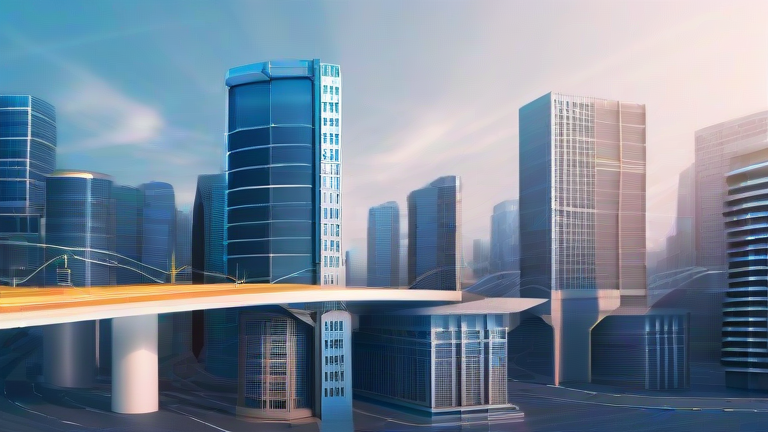
How Digital Twin Tech Optimizes City Infrastructure
While the concept of a “Digital Twin” might sound like pure science fiction, it is rapidly becoming a cornerstone of modern urban planning and public health. By creating a virtual replica of physical city systems, engineers and policymakers can simulate real-world scenarios without disrupting daily life. This technological marvel allows for the optimization of everything from traffic flow to energy consumption, directly impacting the quality of life for millions of residents. As cities grow denser, the integration of these digital models becomes essential for sustainable development and improved wellness outcomes.
One of the most significant benefits of digital twin technology is its ability to predict and mitigate environmental hazards. For instance, by analyzing air quality data in real-time, city planners can identify pollution hotspots and implement targeted interventions, such as increasing green spaces or adjusting traffic patterns. Research published in the *Journal of Environmental Health* indicates that reduced exposure to particulate matter leads to lower rates of respiratory diseases, including asthma and bronchitis. Therefore, optimizing infrastructure is not just an engineering feat; it is a critical public health strategy. Cleaner air translates to healthier lungs, fewer hospital visits, and a more vibrant community.
If you want to dig deeper, check out our guide on 10 Simple Lifestyle Habits to Boost Your Daily Wellness.
Beyond air quality, digital twins enhance mental well-being by improving urban mobility. Traffic congestion is a major source of stress, contributing to elevated cortisol levels and anxiety. By simulating various traffic scenarios, cities can optimize signal timing and public transport routes, reducing commute times and frustration. A smoother commute means less time spent in stressful situations and more time available for physical activity or relaxation. This shift encourages a healthier lifestyle, allowing individuals to prioritize exercise and social connections over sitting in gridlock.
To leverage these advancements, citizens should stay informed about their city’s sustainability initiatives. Engaging with community projects that promote green infrastructure can amplify the benefits of digital twin optimizations. Additionally, adopting a proactive approach to personal health—such as using air quality apps to plan outdoor activities—can help individuals navigate their environment more safely. By combining technological innovation with mindful lifestyle choices, we can create cities that are not only smarter but also healthier for everyone.
Leave a Reply