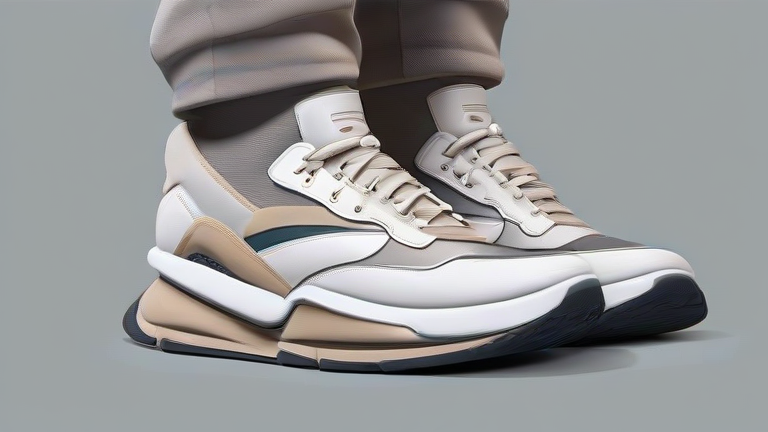
TL;DR: Daily sneakers typically last between six months and two years, depending heavily on usage frequency, terrain, and maintenance habits. To maximize their lifespan, rotate your pairs, clean them regularly, and store them properly to prevent premature material degradation.
Understanding Sneaker Longevity
The lifespan of daily sneakers is not determined by a single factor but rather by a complex interplay of material quality, wear patterns, and environmental exposure. Most people who walk or run in the same pair every day can expect the midsole cushioning to compress and lose its shock absorption capabilities within six to twelve months. The outsole rubber will show visible tread wear much earlier, often within three to four months if used on abrasive surfaces like concrete. However, the upper material, whether it is mesh, leather, or synthetic, may retain its structural integrity for significantly longer, sometimes up to two years or more, provided it is kept clean and free from excessive stretching.
If you want to dig deeper, check out our guide on Face-Matching Networks: Stop Fraud Without Surveillance?.
Step-by-Step Care Instructions
To extend the life of your footwear, adopt a consistent care routine. First, always rotate at least two pairs of sneakers. This allows the midsole foam to fully decompress and dry out between wears, preventing permanent deformation. Second, clean your shoes after every few uses. Remove loose dirt with a soft brush or dry cloth. For deeper cleans, use a mild detergent mixed with lukewarm water and a soft-bristled brush. Never machine wash your sneakers, as the agitation can break down adhesives and distort shapes. Third, air dry your shoes naturally. Stuff them with newspaper or paper towels to absorb moisture and maintain their shape. Keep them away from direct sunlight, radiators, or dryers, as heat can warp materials and weaken glue bonds.
Storage and Prevention Tips
Proper storage is crucial for preserving the structural integrity of your sneakers. Always store them in a cool, dry place away from direct sunlight. UV rays can cause colors to fade and materials to become brittle over time. Avoid storing shoes in plastic bags, as this traps moisture and promotes mold growth. Instead, use breathable fabric bags or keep them in a well-ventilated closet. If you are not using your sneakers for an extended period, consider applying a waterproofing spray to protect the upper materials from stains and water damage. Regularly inspect your shoes for signs of wear, such as separated soles or thinning treads. Addressing minor issues early can prevent further damage and potentially save a pair from early disposal.
FAQ
Q: How often should I replace my daily sneakers?
A: You should replace them when the midsole loses cushioning or the outsole tread is significantly worn, typically every six to twelve months for daily walkers.
Q: Can I machine wash my sneakers?
A: It is generally not recommended, as machine washing can damage adhesives and deform the shoe structure; hand washing is safer.
Q: Does rotating shoes really help?
A: Yes, rotating allows the foam to recover and moisture to evaporate, significantly extending the lifespan of the midsole and upper materials.
Leave a Reply