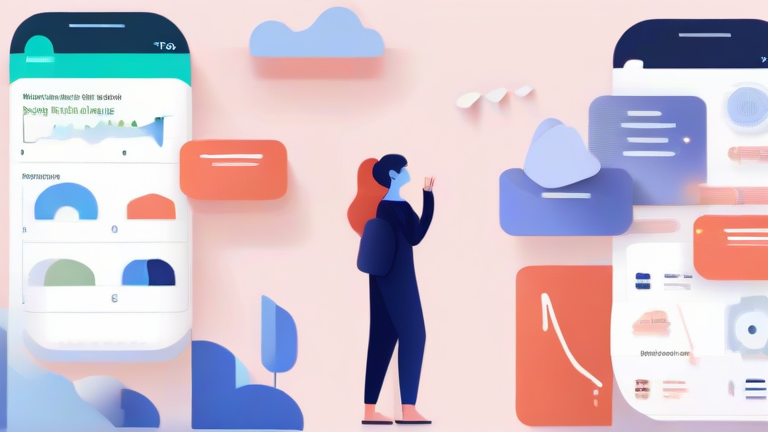
How Mental Health Apps Integrate with Wearable Data
The convergence of digital therapeutics and biometric monitoring represents a paradigm shift in behavioral healthcare. As the global mental health app market is projected to exceed $6 billion by 2026, developers are moving beyond passive tracking to active, data-driven intervention strategies. This evolution is powered by the seamless integration of wearable technology, transforming passive physiological signals into actionable psychological insights.

From a market analysis perspective, the demand for personalized mental wellness solutions is accelerating. Consumers are increasingly aware that mental health is not isolated from physical health. Wearables provide continuous, objective data streams regarding heart rate variability (HRV), sleep architecture, and skin temperature. When mental health applications ingest this data, they can identify early warning signs of anxiety or depressive episodes before the user consciously recognizes them. This proactive approach reduces the burden on clinical systems and empowers users with greater self-awareness.
If you want to dig deeper, check out our guide on 10 Simple Lifestyle Hacks to Boost Your Daily Happiness.
Strategic implementation requires a nuanced understanding of data privacy and algorithmic accuracy. Successful companies are adopting a “closed-loop” strategy, where data from wearables triggers specific cognitive behavioral therapy (CBT) exercises or mindfulness prompts within the app. For instance, if a wearable detects elevated heart rate and poor sleep quality, the app might automatically suggest a guided breathing session upon waking. This synergy between hardware and software enhances user engagement and retention rates, creating a sticky ecosystem that competes with traditional therapy methods.
Case studies from leading providers illustrate the efficacy of this model. Calm and Headspace have integrated with Apple Health and Fitbit, allowing users to correlate meditation sessions with improvements in HRV. Similarly, Woebot Health has explored partnerships with wearable manufacturers to deliver real-time emotional support based on biometric stress indicators. A notable example is the collaboration between a major fitness tracker manufacturer and a digital mental health startup, which resulted in a 20% increase in user-reported mood stability among participants who engaged with both platforms simultaneously. These real-world applications demonstrate that integrating biometric feedback loops significantly improves therapeutic outcomes.
However, challenges remain. Data silos and interoperability issues often hinder seamless integration. Developers must adhere to strict regulatory standards, such as HIPAA in the
Leave a Reply