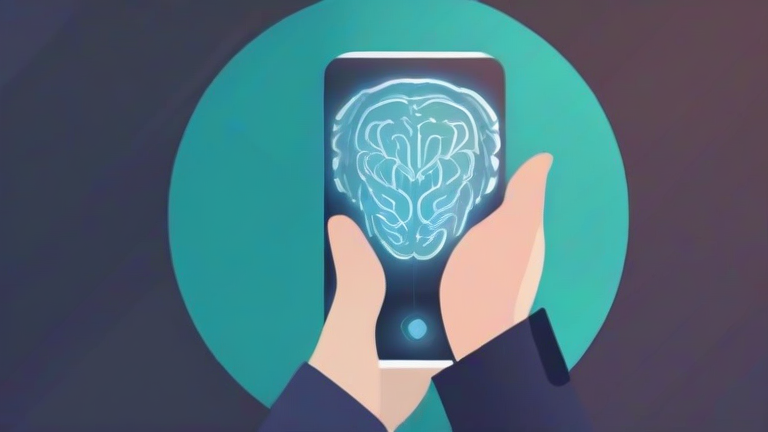
TL;DR: Mental health apps leverage wearable biometric data to provide real-time physiological insights, enabling personalized interventions that predict and mitigate psychological distress. This integration transforms passive monitoring into active therapeutic support, creating a seamless bridge between physical well-being and mental resilience through continuous data analysis.
The Convergence of Data and Therapy
The digital mental health landscape is undergoing a profound transformation. Traditionally, therapy relied on subjective self-reporting, which often suffered from recall bias and temporal gaps. Today, the convergence of wearable technology and mobile health applications offers an objective, continuous stream of biometric data. This shift allows for early detection of anxiety spikes, depressive episodes, and stress-induced physiological changes before they escalate.
Market Analysis and Strategic Insights
The global market for digital mental health tools is projected to reach significant valuations by 2030, driven largely by the adoption of wearables. Strategically, companies are moving beyond simple step counting to sophisticated algorithms that correlate heart rate variability (HRV), sleep patterns, and skin temperature with mood states. This data-driven approach enables personalized content delivery. For instance, if an app detects elevated cortisol indicators via HRV, it can automatically suggest mindfulness exercises or breathing techniques. This proactive strategy enhances user engagement and retention, as patients feel understood and supported in real-time. Furthermore, employers are increasingly integrating these tools into corporate wellness programs, recognizing that mental health directly impacts productivity and reduces healthcare costs.
Case Studies in Innovation
Consider the collaboration between major fitness tracker manufacturers and telehealth platforms. One prominent case involves a leading wellness app that integrates directly with smartwatches. By analyzing sleep fragmentation and resting heart rate, the app identifies users at high risk for burnout. It then prompts them to schedule a session with a therapist or engage in guided meditation. Another notable example is a clinical trial where patients with PTSD used wearables to track physiological arousal during exposure therapy. The data provided therapists with objective metrics to adjust treatment plans dynamically, resulting in faster recovery times. These examples illustrate how biometric data bridges the gap between clinical observation and daily life, making mental health care more accessible and precise.
FAQ
Q: How accurate are wearable devices for mental health monitoring?
A: While not diagnostic, modern wearables offer high accuracy in tracking physiological markers like HRV and sleep, which are strong indicators of mental states.
If you want to dig deeper, check out our guide on CRISPR Cures Inherited Blindness: Breakthrough Clinical Tria.
Q: Is biometric data shared with third parties?
A: Reputable apps adhere to strict privacy regulations like HIPAA and GDPR, ensuring data is encrypted and used only for personal health insights unless consented otherwise.
Q: Can these apps replace traditional therapy?
A: No, they serve as complementary tools that provide data-driven insights to enhance, not replace, professional therapeutic interventions and human connection.
Leave a Reply