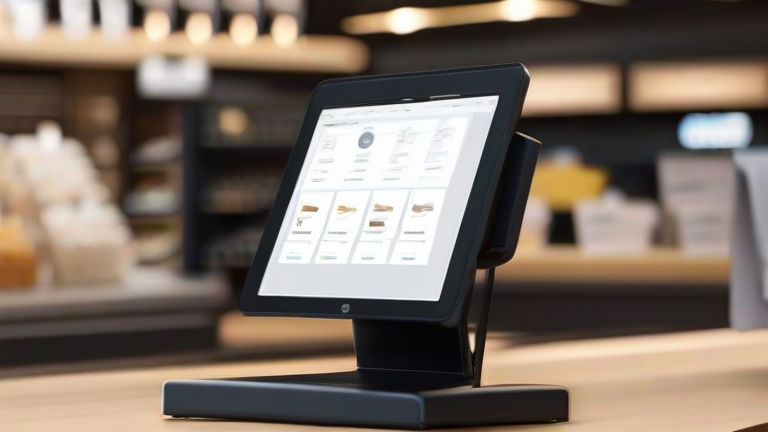
TL;DR: Shopify POS systems streamline in-store operations by unifying online and offline inventory data, ensuring real-time synchronization across all sales channels. This integration eliminates manual stock discrepancies, accelerates checkout processes, and provides retailers with actionable analytics to optimize customer experiences and operational efficiency.
The Convergence of Digital and Physical Retail
The retail landscape has undergone a seismic shift, moving away from siloed sales channels toward a cohesive omnichannel strategy. Modern consumers expect seamless interactions whether they are browsing on mobile devices or walking through physical storefronts. For independent retailers and large enterprises alike, the challenge lies in managing this complexity without inflating operational costs. Shopify Point of Sale (POS) has emerged as a pivotal solution, offering a unified backend that connects brick-and-mortar transactions with e-commerce infrastructure. This convergence is not merely a technological upgrade but a strategic necessity in today’s hyper-competitive market.
If you want to dig deeper, check out our guide on YouTube Changes How Long-Form Video Views Are Counted.
Market Dynamics and Strategic Advantages
According to recent market analysis, the global retail POS system market is projected to grow significantly, driven by the demand for real-time data integration. Retailers are increasingly adopting POS systems that offer robust inventory management, employee management, and integrated payment processing. The strategic advantage of Shopify POS lies in its ability to provide a single source of truth for inventory. When a product is sold in-store, the online stock levels update instantly, preventing overselling and enhancing customer trust. Furthermore, the system’s analytics dashboard offers deep insights into customer behavior, allowing businesses to tailor marketing campaigns and optimize product assortments based on actual sales data rather than guesswork. This data-driven approach empowers retailers to make informed decisions that directly impact profitability.
Real-World Success Stories
Consider the case of a mid-sized apparel retailer that struggled with inventory discrepancies between their warehouse and three physical stores. After implementing Shopify POS, they reported a forty percent reduction in stock management time. The system’s barcode scanning capabilities and automated reorder features streamlined their supply chain, ensuring popular items were always available. Another case involves a boutique coffee shop that leveraged Shopify POS to launch a loyalty program. By capturing customer data at the point of sale, the business was able to send personalized promotions, resulting in a twenty-five percent increase in repeat visits within six months. These examples illustrate how technology can transform operational friction into competitive advantage.
FAQ
Q: Does Shopify POS require an internet connection to process sales?
A: Yes, an internet connection is required for initial setup and syncing, but Shopify POS offers an offline mode that allows you to continue accepting payments and processing returns even if connectivity is lost, syncing data once the connection is restored.
Q: Can I use my existing hardware with Shopify POS?
A: Shopify POS is designed to be hardware-agnostic, meaning you can use a wide range of third-party peripherals such as barcode scanners, receipt printers, and cash drawers, in addition to their proprietary hardware options.
Q: How does Shopify POS handle multi-location inventory?
A: Shopify POS provides advanced inventory management tools that allow you to track stock levels across multiple locations, transfer inventory between stores, and view real-time availability for each item at every store.
Leave a Reply