
Mental Health Apps Integrate With Wearables for Better Care
In the rapidly evolving landscape of digital wellness, the convergence of mental health applications and wearable technology marks a significant paradigm shift. No longer are users confined to passive journaling or manual mood tracking. Today, sophisticated algorithms analyze real-time physiological data to provide actionable insights, creating a holistic approach to mental well-being that was previously impossible. This integration represents a crucial step toward proactive, rather than reactive, healthcare management.
Leading platforms such as Calm, Headspace, and newer entrants like Wysa have pioneered this synergy. By syncing with devices from Apple, Garmin, and Fitbit, these apps monitor heart rate variability (HRV), sleep patterns, and stress levels. When the data indicates rising anxiety, the app can gently suggest a breathing exercise or a guided meditation session before the user even realizes they are overwhelmed. This seamless integration ensures that support is available exactly when it is needed most, transforming passive data into active care.
If you want to dig deeper, check out our guide on 7 Proven Strategies to Scale Your Business in 2024.
Feature highlights include predictive stress alerts, personalized sleep hygiene recommendations, and biometric-driven mood tracking. Unlike traditional methods that rely on memory and subjective recall, wearable-integrated apps offer objective data. For instance, if your heart rate spikes during a meeting, the app might recognize the onset of panic and trigger a calming intervention. This level of contextual awareness provides a depth of understanding that standalone apps simply cannot match.
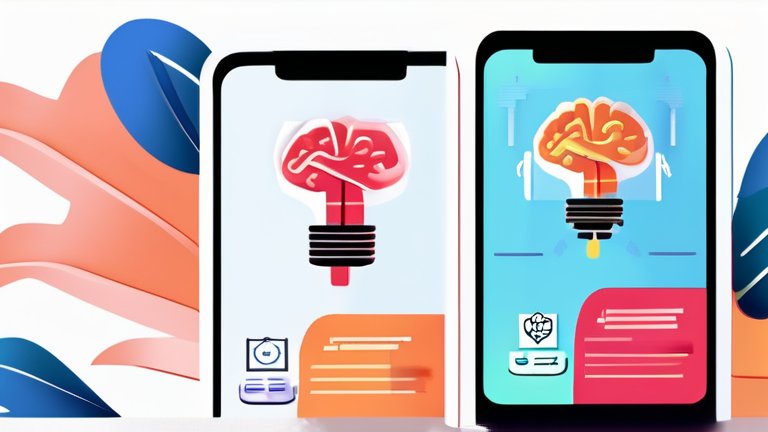
When comparing these solutions to standalone mental health tools, the difference is stark. Traditional apps require user effort to log feelings, which often leads to inconsistent usage. Wearable-integrated platforms automate this process, reducing friction and increasing engagement. While standalone apps may offer richer content libraries, the physiological feedback loop provided by wearables creates a more accurate picture of mental health trends over time. For users seeking comprehensive care, the hybrid approach is undeniably superior.
However, privacy concerns remain paramount. Users must ensure that their health data is encrypted and shared only with trusted providers. Despite these considerations, the benefits of early detection and continuous monitoring outweigh the risks for most individuals. The future of mental health care is proactive, personalized, and deeply integrated into our daily lives.
<p
Leave a Reply