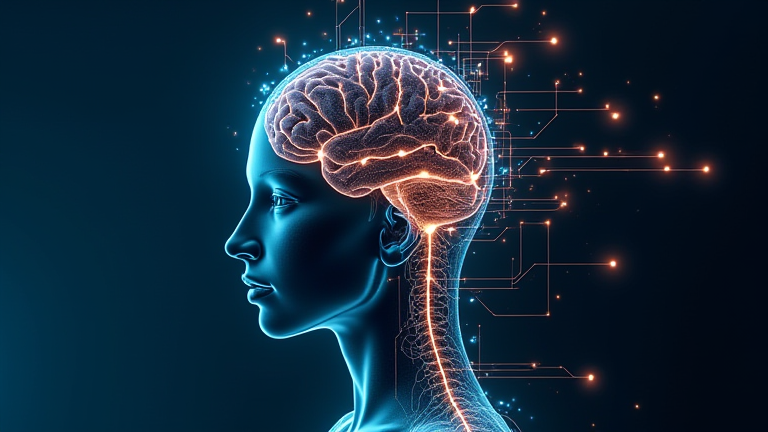
TL;DR: Neural interfaces enable seamless brain-computer interaction by translating electrical signals from the cortex into digital commands with high precision. Achieving this requires rigorous calibration, robust signal processing algorithms, and a secure hardware setup that ensures low latency and high data integrity.
Step-by-Step Instructions
Establishing a functional neural interface system involves a multi-stage process that bridges biological neural activity and digital computing. The first step is preparing the physical environment and hardware. Ensure your workspace is free from electromagnetic interference, which can corrupt delicate neural signals. Connect the electrode array to the signal acquisition unit using shielded cables to minimize noise. Verify that all connections are secure and that the software drivers are updated to the latest stable version before initiating any data capture sessions. This foundational setup is critical for maintaining signal fidelity throughout the interaction process.
If you want to dig deeper, check out our guide on Top 10 Tech Trends Shaping the Future: AI, IoT & Beyond.
Next, perform the baseline calibration procedure. The user must remain in a relaxed state while the system records resting-state brainwaves. This baseline is essential for distinguishing between intentional control signals and background neural noise. Use the interface software to map specific cognitive tasks, such as imagining moving a right hand or focusing on a visual target, to distinct signal patterns. During this phase, adjust the sensitivity thresholds to optimize the signal-to-noise ratio. It is important to repeat these tasks multiple times to build a robust statistical profile of the user’s unique neural signature, ensuring that the system can accurately interpret commands in real-time scenarios.
Once calibration is complete, integrate the control layer. This involves programming the software to translate recognized neural patterns into specific actions, such as cursor movement or text selection. Implement a feedback loop that provides immediate auditory or visual cues to the user, allowing them to adjust their mental focus based on the system’s response. This closed-loop feedback is vital for training the user to refine their neural output. Start with simple tasks and gradually increase complexity as the user becomes more accustomed to the interface. Monitor system latency closely, aiming for response times under one hundred milliseconds to maintain a sense of seamless interaction.
Finally, conduct security and stability tests. Ensure that all data transmission channels are encrypted to protect sensitive neural data from unauthorized access. Test the system’s resilience against potential signal dropouts or interference spikes. Establish automatic re-calibration protocols that trigger if the signal quality degrades below a certain threshold. Regular maintenance checks are necessary to inspect electrode integrity and update algorithm models as the user’s neural patterns evolve over time. This ongoing optimization ensures long-term reliability and comfort for the user, making the interaction feel natural and effortless.
Tips for success include maintaining a consistent sleep schedule and avoiding heavy caffeine intake before sessions, as these factors influence neural baseline stability. Use ergonomic seating to reduce physical fatigue, which can introduce muscle artifacts into the signal. Keep detailed logs of calibration sessions to track improvements and identify recurring issues. Finally, prioritize user comfort; a stressed user produces erratic signals that degrade performance. By following these guidelines, you can create a robust and efficient brain-computer interaction system that stands at the forefront of neurotechnology.
FAQ
Q: What is the typical latency for a high-end neural interface system?
A: High-end systems typically achieve latency under 100 milliseconds, which is critical for seamless interaction.
Q: How often should the neural interface be recalibrated?
A: Recalibration is recommended daily or whenever significant changes in user condition or environment occur.
Q: Is it safe to use neural interfaces for extended periods?
A: Yes, modern interfaces use non-invasive or minimally invasive methods designed for safe, prolonged use with proper breaks.
Leave a Reply