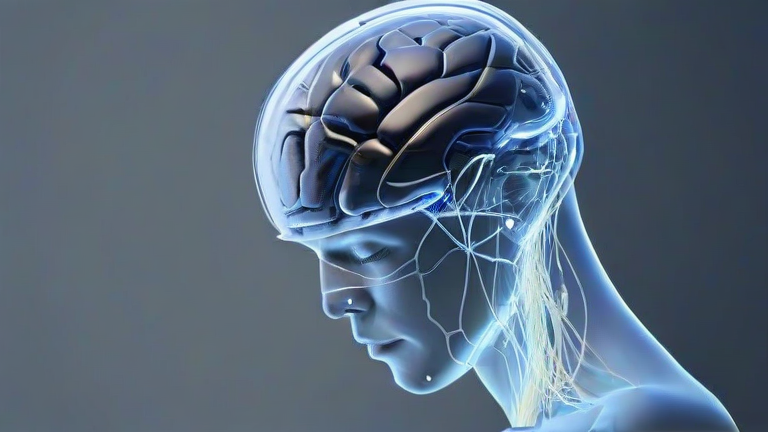
TL;DR: Neural interfaces are moving from laboratory experiments to commercial reality, with non-invasive and implantable brain-computer interfaces projected to reshape medical treatment, human-computer interaction, and cognitive enhancement within the next decade. Market analysts expect the sector to exceed $10 billion by the early 2030s as major tech companies and medtech firms race to decode and transmit neural signals with unprecedented precision.
A Rapidly Maturing Market
The brain-computer interface (BCI) sector has crossed a critical threshold. According to industry analysts, the global neural interface market was valued at roughly $2 billion in 2024 and is projected to grow at a compound annual growth rate of over 15% through 2032, potentially surpassing $10 billion. Investment activity has followed suit: venture funding for neurotechnology startups has climbed steadily, with companies specializing in electrode materials, signal-processing software, and minimally invasive surgical robotics attracting the largest rounds. Regulatory momentum is also building, as the FDA has granted breakthrough device designations to several implantable BCIs aimed at restoring communication and mobility for patients with paralysis.
If you want to dig deeper, check out our guide on 10 Simple Lifestyle Habits That Boost Your Daily Happiness.
From Clinical Restoration to Everyday Use
Early commercial deployments remain firmly anchored in healthcare. Implantable systems are enabling paralyzed patients to control cursors, robotic arms, and speech synthesizers, while non-invasive headsets are being used for stroke rehabilitation and sleep monitoring. Experts note that the clinical pathway is proving essential for validating safety and efficacy. “The medical market is the beachhead,” says one neurotechnology executive. “Every successful implant trial builds the regulatory and public-trust foundation for broader consumer applications.” Beyond medicine, attention is shifting toward wearable, dry-electrode EEG devices for attention tracking, gaming, and workplace safety—segments where lower signal fidelity is offset by convenience and cost.
Technical and Ethical Hurdles
Significant challenges remain. Long-term electrode stability, biocompatibility, and the bandwidth required for high-fidelity neural decoding are persistent engineering problems. Meanwhile, ethicists and regulators are pressing for clear frameworks on neural data privacy, informed consent, and cognitive liberty. Industry observers expect the next wave of innovation to focus on AI-driven signal interpretation, wireless power delivery, and materials science—advances that could dramatically extend device longevity and reduce surgical risk.
What’s Next
Looking ahead, analysts predict a hybrid future: minimally invasive implants for high-bandwidth medical applications, paired with improving non-invasive wearables for mass-market use. By the late 2020s, expect expanded clinical trials, the first consumer-grade neural input devices, and the emergence of standardized neural data protocols. The companies that solve the twin challenges of signal quality and user trust will likely define the industry’s first true growth phase.
FAQ
Q: Are neural interfaces safe for everyday consumer use?
A: Non-invasive wearables are generally low-risk, while implantables carry surgical risks and are currently reserved for medical applications under strict regulatory oversight.
Q: When will brain-computer interfaces become mainstream?
A: Most analysts expect meaningful consumer adoption by the late 2020s to early 2030s, following expanded clinical validation and improvements in non-invasive hardware.
Q: What is the biggest barrier to growth?
A: Beyond engineering challenges like electrode longevity, establishing clear neural data privacy regulations and public trust is widely seen as the critical hurdle.
Leave a Reply