Blog

  • How CRM Software Streamlines Small Business Sales

    How CRM Software Streamlines Small Business Sales

    TL;DR: CRM software streamlines small business sales by centralizing customer data, automating repetitive tasks, and providing actionable insights that accelerate the sales cycle. This technological integration transforms chaotic lead management into a structured, efficient pipeline that drives revenue growth.

    Market Analysis: The Rising Tide of Automation

    The global Customer Relationship Management (CRM) market is experiencing unprecedented growth, projected to surpass significant valuation thresholds in the coming decade. For small businesses, this trend is not merely about keeping up with competitors; it is about survival and scalability. According to recent industry reports, small enterprises that adopt integrated CRM solutions see an average increase in sales productivity by over twenty percent within the first year. This surge is driven by the necessity to manage increasing volumes of customer interactions across multiple digital touchpoints, from social media to email marketing. The market shift indicates a clear move away from fragmented spreadsheets and disjointed tools toward unified platforms that offer a single source of truth for all customer-related data. This consolidation reduces administrative overhead, allowing sales teams to focus on high-value activities rather than data entry.

    Strategic Insights: From Data to Decisions

    Implementing CRM software requires a strategic approach that goes beyond mere installation. Small business leaders must first define their sales process clearly to ensure the software aligns with their specific workflow. Key strategies include segmenting customers based on behavior and purchase history to deliver personalized experiences. Automation features should be leveraged to handle routine follow-ups, scheduling, and lead scoring, ensuring that no potential opportunity falls through the cracks. Furthermore, integrating CRM data with marketing automation tools creates a seamless feedback loop, allowing businesses to refine their targeting based on real-time engagement metrics. Training employees effectively is crucial; without proper adoption, even the most sophisticated system will fail to deliver its promised value. Regular analysis of sales funnel metrics helps identify bottlenecks and optimize conversion rates continuously.

    Case Studies: Real-World Success Stories

    Consider the case of “GreenLeaf Organics,” a small retail distributor that struggled with managing inventory and customer orders via email chains. After implementing a user-friendly CRM, they automated order processing and personalized communication. Within six months, their repeat customer rate increased by fifteen percent, and response times dropped significantly. Another example is “TechStart Solutions,” a B2B service provider that used CRM analytics to identify their most profitable client segments. By focusing their sales efforts on these high-value accounts, they reduced customer acquisition costs by twenty-five percent while doubling their quarterly revenue. These examples illustrate that CRM is not just a database but a strategic asset that drives measurable business outcomes.

    FAQ

    Q: How long does it typically take for small businesses to see ROI from CRM?
    A: Most small businesses begin seeing a return on investment within six to twelve months, depending on implementation speed and user adoption rates.

    If you want to dig deeper, check out our guide on Honey Loses 7M Users, 7K Stores After Viral Expose.

    Q: Can CRM software integrate with existing marketing tools?
    A: Yes, modern CRM platforms offer robust APIs and native integrations with popular email marketing, social media, and accounting software.

    Q: Is CRM software affordable for very small businesses?
    A: Absolutely, many providers offer scalable pricing models and free tiers designed specifically for startups and micro-enterprises.

    Related Articles

  • 7 Simple Lifestyle Hacks to Boost Your Daily Happiness

    7 Simple Lifestyle Hacks to Boost Your Daily Happiness

    TL;DR: Integrate micro-moments of mindfulness and intentional connection into your daily routine to significantly elevate your overall sense of well-being. Small, consistent adjustments to your habits regarding food, movement, and gratitude create a sustainable foundation for lasting happiness without requiring drastic life changes.

    Embrace the Joy of Slow Living

    In our hyper-connected world, the pressure to constantly optimize every second can lead to burnout rather than bliss. One of the most effective lifestyle hacks is embracing the art of slow living. This does not mean being lazy; it means being present. Start your morning by drinking a glass of water while looking out a window, noticing the light, and listening to the birds. This simple act of pausing sets a tone of mindfulness for the rest of the day. When you rush through breakfast or scroll through social media while eating, you disconnect from the sensory experience of nourishment. Instead, try to engage fully with your meal. Taste each bite, appreciate the colors on your plate, and thank the hands that prepared the food. This practice of mindful eating not only improves digestion but also cultivates a deeper appreciation for the simple pleasures of life. By slowing down, you allow yourself to notice details that usually go unnoticed, fostering a sense of wonder and gratitude.

    If you want to dig deeper, check out our guide on Complete Guide: How to Create a Step-by-Step Tutorial.

    Cultivate Curiosity Through Cultural Exploration

    Personal growth often stems from stepping outside your comfort zone and exposing yourself to new perspectives. You do not need to book an international flight to experience cultural richness. Start by exploring local neighborhoods or trying cuisines from cultures you know little about. Visit a museum, attend a local festival, or take a cooking class focused on a foreign dish. These experiences spark curiosity and break the monotony of daily routines. Engaging with different cultures expands your empathy and understanding of the human experience. It reminds you that there are countless ways to live, love, and find joy. Additionally, learning a few phrases in a new language or understanding the history behind a traditional recipe adds depth to your interactions. This intellectual stimulation keeps your brain active and your spirit engaged. Make it a habit to dedicate one hour a week to learning something new about a different culture. Whether it is reading a book by an international author or watching a foreign film, these small investments in knowledge yield significant returns in personal fulfillment and global awareness.

    Connect with Nature and Community

    Human beings are social creatures who thrive on connection. However, true connection goes beyond superficial interactions. Make time for genuine conversations with friends and family, free from digital distractions. Put away your phone and listen actively. Simultaneously, reconnect with nature. A twenty-minute walk in a park can lower cortisol levels and boost mood. Combine these two elements by inviting a friend for a hike or a picnic in green spaces. This dual approach addresses both social and environmental needs for happiness.

    FAQ

    Q: How long does it take to see results from these lifestyle hacks?
    A: While individual experiences vary, most people notice subtle shifts in mood and perspective within two to three weeks of consistent practice.

    Q: Do I need expensive equipment or travel to implement these changes?
    A: No, these hacks are designed to be accessible and low-cost, focusing on mindset shifts and simple activities available in your immediate environment.

    Q: What if I struggle to maintain consistency with daily habits?
    A: Start with just one tiny habit, such as mindful breathing for one minute, and gradually build from there to avoid feeling overwhelmed.

    Related Articles

  • Buy It For Life: Top Canadian-Made Favorites & Must-Buys

    Buy It For Life: Top Canadian-Made Favorites & Must-Buys

    TL;DR: Yes, you can absolutely buy items for life with this curated list of top Canadian-made favorites that prioritize durability and craftsmanship. These must-buys range from rugged outdoor gear to timeless kitchen essentials, ensuring your investment lasts decades rather than seasons.

    Uncompromising Quality from the North

    In an era of planned obsolescence, finding products that truly withstand the test of time feels like a quest for the holy grail. However, Canadian manufacturers have long been renowned for their commitment to rugged durability and ethical production standards. This article explores several standout brands and products that embody the “Buy It For Life” philosophy, offering superior materials and construction compared to their mass-produced counterparts. By choosing these items, you are not just purchasing a product; you are investing in sustainability and heritage craftsmanship that honors the harsh yet beautiful Canadian landscape.

    If you want to dig deeper, check out our guide on 10 Evidence-Based Health Tips for a Longer, Happier Life.

    Top Canadian-Made Favorites & Must-Buys

    First, let us discuss the iconic Woolrich parka. While often associated with American heritage, the original designs and many high-end replicas are crafted with meticulous attention to detail using premium down and weather-resistant fabrics. Compared to fast-fashion alternatives, these coats provide unparalleled warmth and longevity, often lasting twenty years or more with proper care. The stitching is reinforced at stress points, and the zippers are heavy-duty, ensuring functionality in extreme conditions. This is a jacket you will pass down to your children, not the landfill.

    Another essential is the Canadian-made cast iron skillet. Brands like Lodge (though American, heavily popular in Canada) and local artisans produce skillets that are virtually indestructible. Unlike non-stick pans that degrade after a few years, cast iron improves with age, developing a natural non-stick patina. The heat retention is superior, making it ideal for searing steaks or baking cornbread. The initial cost is higher, but the lifetime value is unmatched. It requires minimal maintenance beyond occasional oiling, making it a practical choice for daily cooking.

    Finally, consider the sturdy backpack from a brand like Arc’teryx or Patagonia, both of which have strong Canadian roots or manufacturing ties. These packs feature YKK zippers and robust nylon fabrics that resist tearing. They are designed for heavy loads and rough terrain, unlike lightweight travel bags that rip easily. The ergonomic design reduces strain, and the warranty policies often cover repairs for life, further extending the product’s lifespan. Choosing these items supports local economies and reduces waste.

    Do not settle for disposable goods. Explore these options today and join the movement toward sustainable, long-lasting ownership. Visit official brand websites to find authorized retailers and ensure you are getting authentic, high-quality products.

    FAQ

    Q: What defines a “Buy It For Life” product?
    A: It is an item built with high-quality materials and robust construction to last for decades, often with repairable components.

    Q: Are Canadian-made products more expensive?
    A: Yes, they often have higher upfront costs, but the long-term value and durability usually make them cheaper over time.

    Q: How do I maintain these items for maximum longevity?
    A: Follow specific care instructions, such as regular oiling for cast iron or professional cleaning for technical fabrics, to preserve their integrity.

    Related Articles

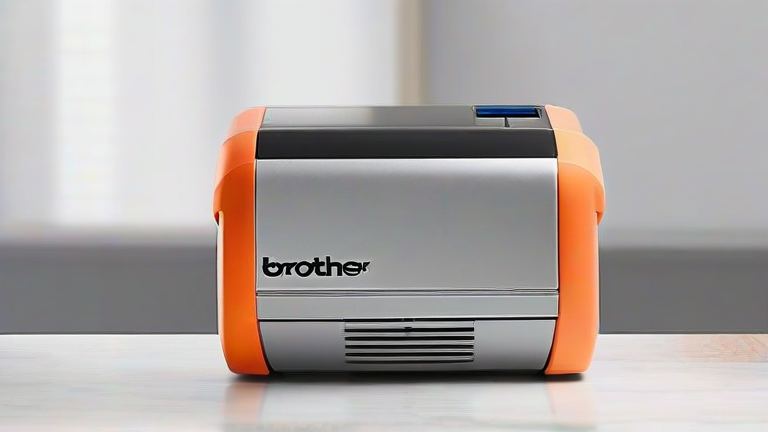
  • Why Brother P-Touch Label Makers Are Still Going Strong

    Why Brother P-Touch Label Makers Are Still Going Strong

    TL;DR: Brother P-Touch label makers remain industry leaders due to their unmatched durability, intuitive design, and extensive ecosystem of compatible tape cartridges. Their consistent innovation ensures they stay relevant despite the rise of smartphone-based printing alternatives.

    In a world where digital documentation often replaces physical labeling, one might assume that handheld label printers are becoming obsolete. However, Brother P-Touch devices continue to dominate the market, proving that tactile, reliable labeling solutions are far from dead. Whether you are organizing a chaotic home office, managing inventory in a small business, or simply trying to keep your kitchen pantry in order, Brother’s reputation for quality is well-earned. This review explores why these devices have maintained such a strong foothold in the consumer and commercial markets for decades.

    If you want to dig deeper, check out our guide on CEO Fired 900 Over Zoom Now Wants Job Back.

    Feature Highlights That Define the Experience

    At the core of the P-Touch experience is simplicity. Unlike complex software-driven systems that require drivers and constant updates, most P-Touch models operate independently. You type your text directly on the device, preview it on the LCD screen, and print immediately. This plug-and-play functionality is a massive advantage for users who need quick results without technical friction. The keyboards are tactile and responsive, ensuring that typos are minimized even during rapid labeling sessions.

    Another critical feature is the versatility of the tape media. Brother offers a vast array of colors, sizes, and materials. From standard black-on-white vinyl tapes for electrical cords to transparent labels for glass jars, and even heat-shrink tubing for wire identification, the ecosystem is incredibly robust. This variety allows users to create professional-looking labels for virtually any application. Furthermore, the durability of the prints is superior to many inkjet or laser alternatives. The thermal transfer technology used by Brother ensures that labels are water-resistant, oil-resistant, and fade-resistant, making them suitable for harsh industrial environments or outdoor use.

    Comparing P-Touch to Modern Alternatives

    When compared to smartphone-connected label makers, Brother P-Touch devices often win on reliability and speed. While app-based printers offer aesthetic customization, they frequently suffer from connectivity issues, battery drain, and limited font options. In contrast, a P-Touch device works instantly, regardless of your phone’s battery life or Wi-Fi signal strength. Additionally, Brother’s desktop models offer larger screens and more advanced formatting options, such as frame borders and barcodes, which are often cumbersome to access on mobile apps.

    Compared to generic, no-name brands, Brother devices offer superior build quality. The plastic housing is rugged, and the tape loading mechanisms are precision-engineered to prevent jams. While cheaper alternatives may seem attractive initially, the cost per label and the frequency of mechanical failures often make them more expensive in the long run. Brother’s commitment to backward compatibility also means that older cartridges often work with newer devices, protecting your investment over time.

    Ultimately, the longevity of Brother P-Touch label makers is a testament to their focus on core functionality and user experience. They do not try to be everything to everyone; instead, they excel at doing one thing exceptionally well: creating clear, durable, and professional labels. For anyone serious about organization and efficiency, sticking with Brother is a wise choice.

    If you are ready to upgrade your organizational game, consider visiting a reputable electronics retailer to browse the latest P-Touch models. Take advantage of current seasonal discounts to secure the best deal on your next labeling tool. Your future self will thank you for the clarity and order these devices bring to your workspace.

    FAQ

    Q: Are Brother P-Touch labels permanent?
    A: Yes, most Brother thermal transfer labels are waterproof, oil-proof, and fade-resistant, making them suitable for permanent identification needs.

    Q: Can I use third-party tape cartridges with Brother printers?
    A: While Brother highly recommends their own cartridges for optimal print quality and device longevity, some third-party compatible tapes are available, though results may vary.

    Q: Do I need a computer to use a P-Touch printer?
    A> No, most handheld models operate independently, allowing you to type and print directly on

    Related Articles

  • Why Do People Avoid Fat? Calories or Other Reasons?

    Why Do People Avoid Fat? Calories or Other Reasons?

    TL;DR: People avoid fat primarily due to decades of misleading dietary guidelines that equated dietary fat with weight gain, although modern science now distinguishes between healthy fats and harmful trans fats. This historical stigma has created a complex market dynamic where consumers seek low-fat alternatives, driving significant innovation in food product formulation and marketing strategies.

    The Historical Context of Fat Phobia

    The aversion to dietary fat did not emerge from scientific consensus but rather from a combination of flawed studies and aggressive marketing campaigns in the mid-20th century. In the 1970s and 1980s, public health officials began recommending low-fat diets to combat rising heart disease rates. This message was amplified by food manufacturers who replaced fat with sugar and refined carbohydrates to maintain palatability. Consequently, consumers developed a deep-seated fear of fat, viewing it as the primary culprit behind obesity and cardiovascular issues. This narrative persisted for decades, shaping consumer behavior and product development across the global food industry.

    If you want to dig deeper, check out our guide on AI Content Overload: Human-Made Content is the New Luxury.

    Market Analysis: The Rise of Low-Fat and Fat-Free Products

    The market response to fat avoidance has been substantial. The low-fat and fat-free food sector exploded in size, with major brands launching thousands of new products annually. According to recent market reports, the global low-fat food market is projected to grow significantly, driven by health-conscious consumers who still associate fat with negative health outcomes. However, a shift is occurring. As scientific understanding has evolved, recognizing the benefits of monounsaturated and polyunsaturated fats, consumer interest in “healthy fats” like avocados, nuts, and olive oil has surged. This dual trend creates a complex landscape where traditional low-fat products coexist with premium healthy-fat items.

    Strategic Insights for Food Brands

    For food manufacturers, navigating this landscape requires nuanced strategy. Simply labeling a product as “low-fat” is no longer a guaranteed success factor. Brands must educate consumers on the difference between good and bad fats. Successful strategies involve transparency and education. For instance, companies are now highlighting the presence of omega-3 fatty acids or heart-healthy monounsaturated fats on packaging. Additionally, marketing efforts focus on the functional benefits of these fats, such as sustained energy and improved brain health, rather than just calorie reduction. This approach helps build trust and aligns with the growing consumer demand for clean-label and nutritious options.

    Case Study: The Yogurt Industry Transformation

    The yogurt industry provides a compelling case study. In the 1980s, major brands focused heavily on low-fat varieties, often sacrificing taste and texture, which led to poor consumer satisfaction. Brands that later reintroduced full-fat yogurt, emphasizing creaminess and satiety, saw a resurgence in sales. This shift demonstrated that consumers were willing to pay a premium for quality and taste, provided they understood the health implications. Today, the market offers both options, but the narrative has shifted from fear-based avoidance to informed choice. This evolution highlights the importance of adapting to changing consumer knowledge and preferences.

    FAQ

    Q: Is all dietary fat bad for health?
    A: No, not all fat is bad. Unsaturated fats found in nuts, seeds, and fish are essential for heart and brain health, while trans fats are the primary concern.

    Q: Why did low-fat products often taste worse?
    A: Fat carries flavor and provides texture. When manufacturers removed fat, they often replaced it with sugar or thickeners, which altered the taste and mouthfeel negatively.

    Q: Are low-fat products still a good choice for weight loss?
    A: Not necessarily. Low-fat products can be high in added sugars, which may hinder weight loss. Whole foods with healthy fats are often more satiating and nutritious.

    Related Articles

  • Do Post-Purchase Emails Boost Conversion or Annoy Users?

    Do Post-Purchase Emails Boost Conversion or Annoy Users?

    TL;DR: Post-purchase emails generally boost long-term customer retention and lifetime value rather than immediate conversion rates. However, if poorly timed or overly sales-driven, they can annoy users and damage brand loyalty.

    The Journey Doesn’t End at Checkout

    In the bustling world of digital commerce, the moment a credit card is swiped or a button is clicked, many marketers believe the relationship is sealed. Yet, the true magic often happens after the transaction. For those of us who view shopping not just as a necessity but as a curated lifestyle experience, the post-purchase phase is where brand identity truly solidifies. Whether you are buying a handcrafted ceramic mug from a small artisan in Kyoto or booking a boutique hotel in Tuscany, the follow-up communication shapes your entire narrative of the brand.

    From Annoyance to Appreciation

    The dichotomy presented in our title is real. A generic, spam-filled inbox is a universal hate. But a thoughtful post-purchase email can feel like a warm handshake. Consider the travel industry. When you book a trip, receiving a simple confirmation is basic. But receiving a curated guide to hidden local cafes, a digital packing checklist tailored to the weather, or an invitation to a pre-trip virtual tour transforms a transaction into an adventure. These emails don’t just sell; they serve. They anticipate needs and reduce anxiety, creating a sense of care that money alone cannot buy.

    Similarly, in the realm of personal growth, such as purchasing an online course or a subscription to a mindfulness app, the post-purchase email is crucial. It bridges the gap between intention and action. A well-crafted message might offer a “first step” guide, a community link, or a reminder of the user’s original goal. This supportive nudge prevents buyer’s remorse and encourages engagement, turning a one-time buyer into a dedicated practitioner.

    The Foodie Factor

    Food culture also benefits immensely from this strategy. Imagine ordering a specialty spice kit. The follow-up email doesn’t just say “thank you.” It includes a video recipe from the chef who created the blend, stories about the farmers who grew the ingredients, and suggestions for pairing with local wines. This approach elevates the product from a commodity to a cultural artifact. It invites the user into a lifestyle, not just a purchase. The annoyance factor vanishes when the content is relevant, valuable, and respectful of the user’s time.

    Striking the Balance

    The key lies in value exchange. If every email is a hard sell, users will unsubscribe and leave negative reviews. If every email provides insight, inspiration, or assistance, users will look forward to them. Brands must respect the boundary between support and promotion. Use the post-purchase phase to educate, entertain, or assist. Let the next sale happen naturally, built on a foundation of trust and positive experience. When done right, these emails are not interruptions; they are continuations of the story the customer started when they clicked “buy.”

    FAQ

    Q: When is the best time to send a post-purchase email?
    A: Ideally, send an immediate confirmation for reassurance, followed by a value-add email (like a guide or tip) 24-48 hours after delivery.

    If you want to dig deeper, check out our guide on Misusing AI Can Hurt You More Than Not Using It.

    Q: How can I make post-purchase emails feel less like spam?
    A: Focus on providing utility, such as how-to guides, exclusive content, or community access, rather than pushing new products immediately.

    Q: Do post-purchase emails actually increase sales?
    A: They primarily increase customer retention and lifetime value, which indirectly boosts sales through repeat purchases and referrals.

    Related Articles

  • How to Reset Apple Watch Without iPhone: Step-by-Step Tutorial

    How to Reset Apple Watch Without iPhone: Step-by-Step Tutorial

    TL;DR: You can reset an Apple Watch without an iPhone by navigating directly to the Settings app on the watch face. Select the General menu, tap Reset, and choose Erase All Content and Settings to wipe the device clean.

    How to Reset Apple Watch Without iPhone: Step-by-Step Tutorial

    There may come a time when you need to reset your Apple Watch but your iPhone is unavailable, lost, or simply not paired. Fortunately, Apple has designed the process to be straightforward, allowing you to perform a factory reset directly from the watch itself. This guide will walk you through the necessary steps to ensure your device is completely wiped and ready for a new owner or a fresh start.

    If you want to dig deeper, check out our guide on Why Y2K Fashion is Making a Comeback.

    Step-by-Step Instructions

    First, ensure your Apple Watch is charged sufficiently, as the reset process consumes power. Place the watch on your wrist to proceed, as some security features require the watch to be unlocked. Press the Digital Crown to open the app grid and locate the Settings app, which looks like gray gears.

    Scroll down using the Digital Crown and tap General. From the General menu, scroll to the very bottom and select Reset. You will see two options: Clear Cellular Plan and Erase All Content and Settings. If you have a cellular model and intend to sell the watch, tap Clear Cellular Plan first. Then, tap Erase All Content and Settings.

    The watch will display a warning screen confirming that all data, including apps, music, and settings, will be deleted. Tap the button to confirm the action. You may be prompted to enter your passcode. Once confirmed, the watch will begin the erasing process. This may take a few minutes. When the process is complete, the watch will restart and display the initial setup screen.

    Tips for Success

    Ensure you are on the latest watchOS version for the smoothest experience. If the watch is frozen, try a force restart by holding both the Digital Crown and the Side Button until the Apple logo appears. Always back up your data if possible, though a remote reset is often required if the phone is missing.

    FAQ

    Q: Can I reset my Apple Watch if it is locked with a passcode?
    A: Yes, you can reset the watch directly from the Settings menu even if it is locked, as long as you have physical access to the device.

    Q: Will resetting the watch remove the activation lock?
    A: No, resetting the watch does not remove Activation Lock if Find My is enabled. You must disable Find My via iCloud.com or your paired iPhone first.

    Q: How long does the reset process take?
    A: The process typically takes between two to five minutes, depending on the amount of data stored on the watch and its current battery level.

    Related Articles

  • Remote Work Benefits: Far More Than Just a Paycheck

    Remote Work Benefits: Far More Than Just a Paycheck

    TL;DR: Remote work benefits extend far beyond financial compensation, fundamentally enhancing employee well-being, autonomy, and work-life integration. Companies leveraging this shift see significant gains in retention, productivity, and global talent acquisition, creating a sustainable competitive advantage in the modern marketplace.

    The Evolving Landscape of Remote Work

    The traditional office-centric model is rapidly becoming obsolete. Market analysis indicates that over fifty percent of the global workforce now engages in some form of remote or hybrid arrangement. This shift is not merely a temporary adjustment but a structural change in how business operates. Organizations are discovering that the value proposition of remote work transcends the immediate paycheck, offering profound psychological and operational advantages that drive long-term success.

    If you want to dig deeper, check out our guide on BIFL Not Made in USA: The Complete List & Brands.

    Financial incentives remain important, but they are no longer the sole driver of employee satisfaction. Research suggests that autonomy, flexibility, and the elimination of commute stress are critical factors in job retention. Employees prioritize roles that respect their personal time and mental health. Consequently, companies that fail to offer flexible work arrangements risk losing top talent to competitors who understand these deeper motivational drivers. The market has shifted from a candidate’s market for salaries to a candidate’s market for lifestyle compatibility.

    Strategic Implementation and Insights

    Successful remote strategies require more than just providing laptops and Wi-Fi stipends. They demand a cultural overhaul focused on trust and outcome-based performance metrics. Leaders must transition from monitoring hours worked to measuring results delivered. This strategic pivot empowers employees, fostering a sense of ownership and accountability. Furthermore, remote work opens doors to a global talent pool, allowing businesses to hire the best individuals regardless of geographic constraints. This democratization of talent enhances innovation and diversity within teams, providing a significant strategic edge in competitive industries.

    Case Studies in Success

    Consider the tech giant GitLab, which has operated fully remotely since its inception. By prioritizing asynchronous communication and comprehensive documentation, they have maintained high productivity levels while scaling to thousands of employees across different time zones. Their success demonstrates that remote work can enhance efficiency when supported by the right tools and processes. Another example is Automattic, the company behind WordPress, which leverages remote work to build a diverse, global team. They report higher employee satisfaction scores and lower turnover rates compared to industry averages. These case studies illustrate that when remote work is integrated into the core business strategy, it yields tangible benefits that extend well beyond simple cost savings or salary structures.

    FAQ

    Q: How does remote work impact employee retention?
    A: It significantly improves retention by offering flexibility and work-life balance, which are top priorities for modern workers.

    Q: What are the key challenges of remote work?
    A: Main challenges include maintaining company culture, ensuring effective communication, and preventing employee isolation.

    Q: Is remote work suitable for all industries?
    A: While ideal for knowledge-based sectors, hybrid models are increasingly being adopted in retail and manufacturing to balance flexibility with operational needs.

    Related Articles

  • How to Use Canva for Beginners: A Step-by-Step Design Tutorial

    How to Use Canva for Beginners: A Step-by-Step Design Tutorial

    TL;DR: Start by logging into Canva and selecting a blank canvas or template to begin your project. Customize the design by dragging and dropping elements, changing colors, and adjusting text to match your specific branding needs.

    Getting Started with Canva

    Designing professional-looking graphics has never been easier thanks to Canva, a user-friendly online platform. Whether you are a social media manager, a small business owner, or a student, mastering this tool can significantly enhance your visual communication. This guide will walk you through the essential steps to create your first design without feeling overwhelmed by complex software.

    If you want to dig deeper, check out our guide on My Grandpa’s Daily Oven: A Nostalgic Look.

    Step 1: Choose Your Canvas Size

    Once you have signed up for a free account, you will land on the homepage. Click on the “Create a design” button located in the top right corner. You can choose from predefined sizes like Instagram Post, Presentation, or Poster, or type in a custom dimension if you have specific requirements. Selecting the right size initially saves time later, ensuring your design fits the intended platform perfectly.

    Step 2: Select a Template

    For beginners, starting from scratch can be daunting. Instead, browse the extensive library of templates. Search for keywords related to your project, such as “minimalist resume” or “birthday invitation.” Click on a template you like to open it in the editor. This approach allows you to see how professional layouts are structured, providing a solid foundation for your own creativity.

    Step 3: Customize Your Design

    The core of Canva is its drag-and-drop interface. Click on any text box to change the font, color, or size using the toolbar that appears at the top. To add images, click on the “Elements” tab on the left sidebar. You can search for icons, shapes, or photos. Simply drag the chosen element onto your canvas and resize it by pulling the corners. Remember to keep your color palette consistent to maintain a cohesive look throughout the design.

    Step 4: Export and Share

    When you are satisfied with your creation, click the “Share” button in the top right corner. Select “Download” to save the file to your computer. Choose PNG for high-quality images or PDF for documents. You can also share the design link directly with collaborators for real-time editing. With these simple steps, you are ready to create stunning visuals that capture attention and convey your message effectively.

    FAQ

    Q: Is Canva free to use?
    A: Yes, Canva offers a robust free version with many features, though a Pro subscription unlocks additional templates and premium elements.

    Q: Can I use Canva on my phone?
    A: Absolutely, Canva has mobile apps for both iOS and Android devices, allowing you to design on the go.

    Q: Do I need design experience?
    A: No, Canva is designed for users of all skill levels, making it easy for beginners to create professional designs quickly.

    Related Articles

  • Explore a Day in Lübeck, Germany: Top Attractions & Tips

    Explore a Day in Lübeck, Germany: Top Attractions & Tips

    TL;DR: A perfect day in Lübeck begins with exploring its UNESCO-listed Hanseatic Old Town and sampling its famous Marzipan, followed by a relaxing stroll along the Trave River. This compact city offers a rich blend of medieval architecture, literary history, and culinary delights that can be comfortably experienced in just twenty-four hours.

    Wandering Through History

    Lübeck is a city where time seems to slow down, inviting visitors to step back into the era of the Hanseatic League. As you enter the historic center, the first thing that strikes you is the sheer preservation of medieval architecture. The Holstentor, the iconic brick gate with its two towers, stands as the proud symbol of this maritime power. It is impossible to visit Lübeck without taking a photo here, but the real magic lies beyond the gates. The cobblestone streets of the old town are a labyrinth of narrow alleys, hidden courtyards, and grand brick Gothic buildings that whisper stories of merchants and trade from centuries past.

    The heart of the city is the Marienkirche, a Lutheran church with a towering spire that dominates the skyline. Inside, the atmosphere is serene and awe-inspiring. The high altar and the intricate woodcarvings are masterpieces of the late Gothic period. For those interested in personal growth and reflection, the quiet ambiance of the church offers a perfect moment to pause and appreciate the enduring nature of human creativity and faith. Afterward, walk to the Burgtor, another impressive gate, which leads to the Burgtorinsel, a peaceful island area perfect for a quiet break.

    A Sweet Culinary Journey

    No discussion of Lübeck is complete without mentioning its most famous export: Marzipan. Lübeck marzipan is renowned worldwide for its high almond content and smooth texture. The Niederegger Marzipan Manufactory is the most famous destination, but you will find charming shops throughout the old town. Buying a box of assorted marzipan candies is a delightful tradition, and watching the artisans work behind glass windows adds a layer of appreciation for the craft.

    For lunch, head to a traditional Gasthaus near the market square. Try the “Lübsche Grünkohl,” a hearty green cabbage stew with various meats and sausages, which reflects the regional climate and history. Pair it with a local beer from the Holsten Brewery or a crisp white wine. The dining experience here is warm and hospitable, reflecting the German value of Gemütlichkeit, or coziness. It is a chance to slow down, savor the flavors, and connect with the local culture.

    Evening Reflections

    As the sun sets, the old town takes on a magical glow. The illuminated brick buildings reflect off the canals, creating a romantic atmosphere. Take a final walk along the Trave River, watching the boats gently bob on the water. This quiet moment allows you to process the day’s experiences. Lübeck is not just a destination for sightseeing; it is a place for introspection and cultural immersion. The blend of history, architecture, and gastronomy provides a holistic travel experience that nourishes both the body and the mind.

    FAQ

    Q: How long does it take to see the main attractions in Lübeck?
    A: Most visitors find that one full day is sufficient to explore the Old Town, visit the Holstentor, see the Marienkirche, and enjoy a traditional meal, though two days allow for a more relaxed pace.

    If you want to dig deeper, check out our guide on How to Use Canva Pro: A Step-by-Step Design Tutorial for Beg.

    Q: What is the best time of year to visit Lübeck?
    A: Summer (June to August) offers pleasant weather for walking, while December is magical due to the famous Lübeck Christmas Market, which features traditional crafts and festive treats.

    Q: Is Lübeck walkable for tourists?
    A: Yes, the historic city center is very compact and almost entirely pedestrian-friendly, making it easy to navigate on foot without the need for a car.

    Related Articles