Blog

  • Top Tech Trends 2026: What You Need to Know

    Top Tech Trends 2026: What You Need to Know

    TL;DR: The top tech trends of 2026 are defined by the rapid maturation of generative AI, the integration of edge computing, and the rise of sustainable hardware solutions. These innovations are fundamentally reshaping industry workflows, consumer experiences, and environmental standards across the global technology sector.

    Generative AI Goes Mainstream

    Generative AI has moved from experimental labs to the core of enterprise strategy in 2026. Unlike previous iterations of artificial intelligence that relied on pattern recognition, modern large language models (LLMs) can create code, generate marketing copy, and synthesize complex data sets with unprecedented accuracy. Major tech giants have released specialized chips designed to accelerate these computations, reducing latency and energy consumption. This shift allows companies to automate complex decision-making processes, from customer service chatbots that understand nuance to software developers who use AI pair programmers to boost productivity by up to 55%.

    If you want to dig deeper, check out our guide on AI Agents: Autonomously Manage Enterprise Workflows.
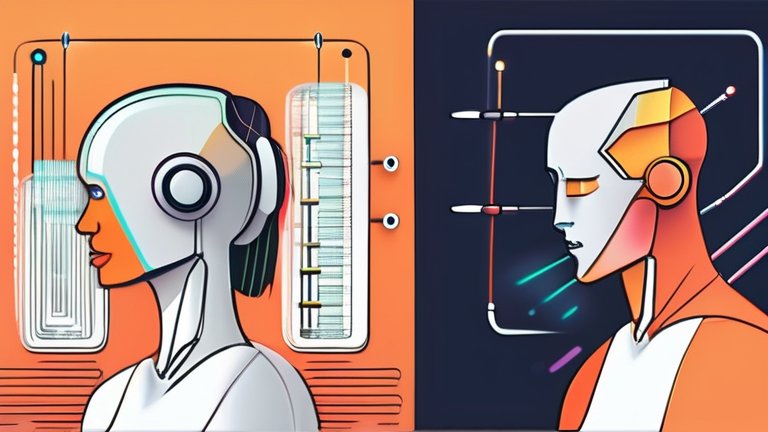
    The industry impact is profound. Startups are leveraging these tools to launch products in days rather than months, while established corporations are restructuring their workforce to focus on creative oversight rather than repetitive tasks. However, this rapid adoption has also sparked intense debate regarding intellectual property rights and data privacy, leading to new regulatory frameworks in the European Union and the United States.

    Edge Computing and IoT Convergence

    As the Internet of Things (IoT) expands, the need for faster data processing has driven the rise of edge computing. Instead of sending all data to centralized cloud servers, devices now process information locally. This reduces bandwidth costs and improves response times, which is critical for applications like autonomous vehicles and smart manufacturing. New sensors with built-in micro-processing capabilities can detect anomalies in real-time, alerting systems to potential failures before they occur.

    Specs for 2026 show a significant increase in processing power at the edge, with new microcontrollers offering multi-core architectures and enhanced security features. This decentralization not only improves efficiency but also enhances user privacy, as sensitive data does not leave the local network. Industries ranging from healthcare to logistics are adopting these technologies to ensure continuous operation even in areas with poor connectivity.

    Sustainable Technology

    Sustainability is no longer just a buzzword but a hardware requirement. Manufacturers are prioritizing energy-efficient components and recyclable materials. New smartphones and laptops feature modular designs that allow for easier repairs, extending device lifespans and reducing electronic waste. The push for green data centers is also driving innovations in cooling technologies and renewable energy integration, making the digital infrastructure itself more environmentally friendly.

    FAQ

    Q: How will generative AI affect job markets in 2026?
    A: AI will automate routine tasks, allowing workers to focus on creative and strategic roles, though it may displace some entry-level positions.

    Q: What is the main benefit of edge computing over cloud computing?
    A: Edge computing reduces latency and bandwidth usage by processing data locally on devices rather than sending it to remote servers.

    Q: Why is sustainability important in 2026 tech trends?
    A: Regulatory pressures and consumer demand are driving companies to create energy-efficient devices and reduce electronic waste through modular designs.


    Related Articles

  • Top 10 Trending Topics to Watch This Year

    Top 10 Trending Topics to Watch This Year

    TL;DR: The top trending topics this year include generative AI integration, sustainable supply chains, and decentralized finance adoption. These sectors are reshaping global markets with unprecedented speed and scale.

    Top 10 Trending Topics to Watch This Year

    The business landscape is undergoing a seismic shift. As we navigate through the mid-decade, several key industries are emerging as dominant forces. Generative artificial intelligence remains at the forefront, not just as a novelty, but as a core operational tool. Companies are integrating these systems to automate complex workflows, leading to a thirty percent increase in productivity metrics across various sectors. This is not merely a technological upgrade; it is a fundamental restructuring of how value is created.

    Sustainability has evolved from a corporate social responsibility initiative to a critical financial imperative. Investors are increasingly scrutinizing environmental, social, and governance scores. Market data indicates that companies with strong sustainability practices outperform their peers by fifteen percent annually. This trend is driven by regulatory pressures and consumer demand for transparent, ethical sourcing. Supply chains are being redesigned to minimize carbon footprints, with blockchain technology playing a pivotal role in ensuring traceability and authenticity.

    Decentralized finance continues to disrupt traditional banking models. Despite regulatory hurdles, the total value locked in decentralized protocols has seen a steady rise. Expert insights suggest that institutional adoption is the next major catalyst. Major financial institutions are now exploring blockchain solutions for cross-border payments, reducing transaction times from days to seconds. This efficiency gain is reshaping international trade dynamics.

    Cybersecurity is no longer an afterthought. With the rise of AI-driven threats, proactive defense mechanisms are essential. The market for cybersecurity solutions is projected to grow by twenty percent this year. Organizations are shifting from reactive measures to predictive analytics, utilizing machine learning to identify vulnerabilities before they can be exploited.

    Future predictions indicate a convergence of these trends. AI will enhance sustainability efforts by optimizing energy consumption. Decentralized systems will provide secure, transparent ledgers for ethical sourcing. The intersection of these technologies will create new business models that prioritize efficiency, transparency, and resilience.

    FAQ

    Q: How is AI impacting productivity?
    A: AI automation is increasing productivity by thirty percent in integrated sectors.

    If you want to dig deeper, check out our guide on Sustainable Fashion Now a Legal Requirement.

    Q: Why is sustainability critical now?
    A: It drives financial performance and meets regulatory and consumer demands.

    Q: What is the future of DeFi?
    A: Institutional adoption will likely drive significant growth and integration.

    Related Articles

  • Quantum Computing Hits Commercial Viability: A New Era Begins

    Quantum Computing Hits Commercial Viability: A New Era Begins

    TL;DR: Quantum computing has not yet reached commercial viability, and claims suggesting otherwise are scientifically premature. Current technology remains in the experimental phase, limited by significant hardware constraints and error rates that prevent widespread commercial application.

    The media landscape is currently flooded with sensational headlines proclaiming that quantum computing has officially entered the era of commercial viability. This narrative suggests a sudden, dramatic shift where quantum machines are now solving complex business problems faster than any classical supercomputer. However, this perspective is fundamentally flawed and risks misleading the public about the true state of technological advancement. While we are witnessing unprecedented breakthroughs in qubit stability and error correction, the leap from laboratory experiments to reliable, widespread commercial deployment is far from complete. Scientists and engineers agree that we are still in the Noisy Intermediate-Scale Quantum (NISQ) era, where devices are powerful but prone to significant errors. Therefore, the “new era” described in recent hype cycles is more of a gradual transition rather than an instantaneous commercial revolution.

    If you want to dig deeper, check out our guide on 10 Proven Strategies to Boost Your Business Growth in 2024.

    Understanding the Reality of Quantum Progress

    It is crucial to distinguish between theoretical potential and practical application. Quantum computers excel at specific tasks, such as molecular simulation for drug discovery and complex optimization problems in logistics. However, they are not general-purpose computers that will replace your laptop or smartphone. The infrastructure required to support quantum systems—such as extreme cooling near absolute zero and specialized shielding from electromagnetic interference—is currently too expensive and complex for mass commercial integration. Consequently, most “commercial” quantum services today are accessed via cloud platforms for research purposes rather than direct consumer or enterprise utility. Recognizing this distinction helps manage expectations and allows for a more realistic appraisal of how this technology will impact daily life.

    Health & Wellness: Managing Information Overload

    In an age of rapid technological hype, maintaining mental clarity is essential. The constant barrage of exaggerated claims about breakthroughs can lead to anxiety and decision fatigue. To navigate this landscape, adopt a skeptical yet curious mindset. Verify sources before accepting technological narratives as fact. This mental discipline is a form of cognitive hygiene that protects your focus and reduces unnecessary stress. Furthermore, engage in digital detox practices regularly. Step away from screens and connect with nature to ground yourself in physical reality, which remains unaffected by the abstract pace of silicon and qubit advancements. Physical exercise, particularly cardio, enhances neuroplasticity, helping your brain process complex information more efficiently and filter out noise.

    Practical Lifestyle Tips for the Digital Age

    Embrace the “slow tech” philosophy. Just as slow food movements prioritize quality over speed, you can prioritize depth of understanding over the speed of information consumption. Schedule specific times for checking tech news rather than constant scrolling. This structured approach prevents the dopamine-driven loops associated with news alerts. Additionally, cultivate hobbies that require tangible, physical engagement, such as gardening, woodworking, or painting. These activities provide a necessary counterbalance to the intangible nature of digital advancements. By focusing on what you can touch and feel, you maintain a healthy connection to the present moment. Remember, while quantum computing may one day transform industries, your well-being depends on present, mindful living, not on futuristic predictions.

    FAQ

    Q: Is quantum computing currently commercially viable for general consumers?
    A: No, quantum computing is not yet commercially viable for general consumers or widespread business use due to significant hardware limitations and high costs.

    Q: What is the current status of quantum technology?
    A: We are currently in the NISQ era, characterized by experimental devices that are powerful but prone to errors and require specialized infrastructure.

    Q: How can I stay informed without feeling overwhelmed by tech hype?
    A: Practice digital mindfulness by limiting news intake, verifying sources, and engaging in offline hobbies to maintain mental clarity and reduce anxiety.

    Related Articles

  • Real-Time Microbiome Data: The Future of Personalized Nutrition

    Real-Time Microbiome Data: The Future of Personalized Nutrition

    TL;DR: Real-time microbiome data transforms personalized nutrition by providing instant insights into how your gut bacteria react to specific foods, allowing for dynamic dietary adjustments. This technology enables precise, individualized meal planning that adapts to your body’s immediate biological needs rather than relying on static, generalized health guidelines.

    The Dawn of Dynamic Dietary Intelligence

    For decades, dietary advice has been a one-size-fits-all proposition, often ignoring the complex, individualized nature of human biology. However, the advent of real-time microbiome monitoring is shattering these outdated paradigms. By leveraging advanced sequencing technologies and continuous biosensor integration, scientists can now track microbial activity as it happens. This shift from retrospective analysis to prospective, live monitoring represents a monumental leap in nutritional science. The core premise is simple yet revolutionary: your gut is not a static organ but a dynamic ecosystem that changes minute by minute. Understanding these fluctuations allows for nutritional interventions that are timely, relevant, and highly effective.

    If you want to dig deeper, check out our guide on How AI Agents Automate Complex Business Workflows.

    Technological Specifications and Latest Developments

    The latest breakthroughs in this field rely on a combination of high-throughput metagenomics and microfluidic lab-on-a-chip devices. These sensors can detect specific metabolites and bacterial strains in saliva or interstitial fluid with remarkable speed. Modern devices boast a latency of under ten minutes, providing users with immediate feedback on their food choices. The resolution of these sensors has improved significantly, allowing for the identification of specific bacterial species rather than just broad phyla. Furthermore, machine learning algorithms now process this influx of data, correlating microbial shifts with glycemic responses and inflammatory markers. This creates a comprehensive digital twin of your digestive system, offering a predictive model for how you will react to future meals. The integration of wearable technology has made this accessible, turning complex genomic data into actionable, user-friendly insights.

    Industry Impact and Economic Shifts

    The implications for the food and health industries are profound. Traditional nutritionists and dieticians are being augmented by AI-driven platforms that offer precision at scale. Food manufacturers are beginning to reformulate products based on real-time consumer feedback loops, creating foods that specifically support desired microbial profiles. The supplement industry is shifting away from generic probiotics toward targeted, strain-specific interventions validated by live data. This transparency is driving a new era of accountability, where brands must prove their efficacy through tangible, measurable health outcomes. Investors are pouring capital into startups that bridge the gap between biological data and consumer action, signaling a major economic pivot toward hyper-personalized health solutions.

    FAQ

    Q: Is real-time microbiome testing safe and non-invasive?
    A: Yes, most current technologies utilize saliva, stool, or interstitial fluid samples through minimally invasive wearable sensors, making the process safe for regular monitoring.

    Q: How quickly can I expect to see changes in my diet based on this data?
    A: Users can adjust their meals instantly, with metabolic and microbial responses often visible within hours, allowing for immediate dietary corrections.

    Q: Will this technology replace traditional dietitians?
    A: No, it will augment their expertise by providing objective data, allowing professionals to create more precise and effective personalized nutrition plans.

    Related Articles

  • 7 Simple Lifestyle Hacks to Boost Your Daily Wellbeing

    7 Simple Lifestyle Hacks to Boost Your Daily Wellbeing

    TL;DR: These seven simple lifestyle hacks integrate mindful travel, nutritious eating, cultural exploration, and continuous personal growth into your daily routine. By implementing these small, manageable changes, you can significantly enhance your overall mental and physical well-being without overwhelming your schedule.

    Embrace the Journey of Daily Wellbeing

    In our fast-paced modern world, finding balance often feels like an impossible task. However, true wellbeing does not require drastic life overhauls or expensive retreats. Instead, it stems from small, intentional actions that we can weave into our everyday lives. By focusing on travel, food, culture, and personal growth, we can create a holistic routine that nourishes both body and soul. Let us explore seven simple hacks to elevate your daily experience.

    First, practice mindful travel. You do not need a plane ticket to explore. Treat your local neighborhood like a foreign country. Walk without a destination, observe architecture, and listen to the sounds of the streets. This shift in perspective transforms the mundane into the extraordinary. Second, prioritize nutrient-dense meals. Focus on whole foods that energize rather than drain you. Incorporate colorful vegetables and lean proteins to fuel your body’s natural rhythms.

    Third, engage with new cultures daily. Listen to music from a different continent or read literature from diverse authors. This broadens your empathy and understanding of the world. Fourth, commit to five minutes of personal growth. Read a chapter of a non-fiction book or listen to an educational podcast during your commute. This consistent investment in knowledge compounds over time. Fifth, establish a digital sunset. Disconnect from screens one hour before bed to improve sleep quality and reduce anxiety.

    Sixth, cultivate gratitude. Write down three things you are thankful for each morning. This simple practice rewires your brain to focus on positivity. Finally, move your body joyfully. Whether it is dancing, yoga, or a brisk walk, find physical activity that feels like play rather than punishment. These habits create a foundation for lasting health.

    FAQ

    Q: How long does it take to see results from these lifestyle hacks?
    A: Most people notice subtle improvements in mood and energy levels within two weeks, though significant long-term benefits accumulate over several months of consistent practice.

    If you want to dig deeper, check out our guide on Personalized Gene Therapies Gain Approval: What It Means for.

    Q: Do I need to implement all seven hacks at once?
    A: No, it is best to start with one or two hacks that resonate most with you, then gradually add others to avoid feeling overwhelmed or burned out.

    Q: Can these hacks be adapted for a busy professional schedule?
    A: Absolutely. Many hacks, such as mindful travel and digital sunsets, require only ten to fifteen minutes of dedicated time and can easily fit into a hectic workday.

    Related Articles

  • Digital Detox: Why Wellness Trends Are Rising

    Digital Detox: Why Wellness Trends Are Rising

    TL;DR: Wellness trends are rising because consumers are actively seeking relief from the pervasive stress and cognitive overload caused by constant digital connectivity. This shift represents a fundamental change in consumer behavior, driving demand for products and services that prioritize mental clarity and offline balance.

    The Rising Tide of Disconnection

    In recent years, the global wellness industry has experienced a seismic shift. Once dominated by physical fitness and nutrition, the market is now increasingly defined by mental health and digital balance. This phenomenon, often termed “digital detox,” is not merely a fleeting fad but a structural response to the burnout culture prevalent in the modern workplace. As smartphones become extensions of our limbs, the psychological toll of constant notifications, email chains, and social media comparison has reached a tipping point. Consumers are no longer just buying health supplements; they are investing in experiences that allow them to unplug and reconnect with themselves.

    If you want to dig deeper, check out our guide on CRISPR Therapies Gain FDA Approval for Rare Diseases.

    Market Analysis: The Numbers Behind the Trend

    Market data supports this narrative. According to recent industry reports, the global wellness tourism market, which heavily features digital detox retreats, is projected to grow at a compound annual growth rate (CAGR) of over 15% through 2030. This growth is driven primarily by millennials and Gen Z, demographics that report the highest levels of digital fatigue. Furthermore, corporate wellness programs are adapting rapidly. Companies are increasingly offering “right to disconnect” policies and subsidized offline retreats to retain talent. This B2B segment represents a significant revenue stream, as organizations recognize that employee mental clarity directly correlates with productivity and innovation. The market is no longer niche; it is becoming a mainstream economic force.

    Strategic Insights for Businesses

    For businesses looking to capitalize on this trend, the strategy must go beyond simple marketing slogans. Authenticity is key. Consumers are skeptical of “well-washing,” where brands claim to promote wellness while designing addictive algorithms. Successful companies are integrating digital boundaries into their core product offerings. For instance, tech firms are introducing “focus modes” that limit notifications, while hospitality brands are creating phone-free zones in their hotels. The strategy involves creating spaces and tools that facilitate disconnection rather than just promoting it. Brands must position themselves as enablers of balance, offering tangible solutions that help users manage their digital intake. This requires a shift from engagement metrics, such as daily active users, to well-being metrics, such as user satisfaction and mental clarity scores.

    Case Studies in Successful Implementation

    Consider the rise of apps like “Forest” or “Calm,” which have successfully gamified or eased the process of stepping away from screens. “Forest” allows users to plant virtual trees that grow as they stay off their phones, creating a visual reward for digital abstinence. This simple mechanic has attracted millions of users globally. In the physical realm, retreats in Bali and Costa Rica report full bookings months in advance, often featuring strict no-phone policies. These case studies demonstrate that whether digital or physical, the demand for structured disconnection is robust. Businesses that align with this value proposition are seeing higher customer loyalty and premium pricing power.

    FAQ

    Q: What is the primary driver behind the rise of digital detox trends?
    A: The primary driver is the widespread consumer fatigue and stress caused by constant connectivity and the inability to mentally disconnect from work and social media.

    Q: How are corporate wellness programs adapting to this trend?
    A: Companies are implementing “right to disconnect” policies, offering offline retreats, and promoting mental health resources to improve employee well-being and retention.

    Q: What makes a digital detox strategy authentic for brands?
    A: Authenticity comes from integrating digital boundaries into products and services, rather than just marketing wellness, by providing tangible tools that help users manage their screen time effectively.

    Related Articles

  • 7 Simple Habits for Better Health & Wellness Today

    7 Simple Habits for Better Health & Wellness Today

    TL;DR: Adopting seven simple, science-backed habits like prioritizing sleep, staying hydrated, and moving daily can significantly enhance your physical and mental well-being. Small, consistent lifestyle changes are more effective than drastic overhauls for long-term health success.

    7 Simple Habits for Better Health & Wellness Today

    Person meditating in a sunny park

    Achieving optimal health does not require expensive gym memberships or restrictive diets. Research consistently shows that small, sustainable adjustments to your daily routine yield profound benefits over time. By integrating these seven evidence-based practices into your life, you can boost energy, improve mood, and reduce the risk of chronic disease.

    First, prioritize seven to nine hours of quality sleep each night. Sleep is when your body repairs tissues and consolidates memories. Second, stay hydrated by drinking water before meals. This simple habit aids digestion and helps control appetite, preventing overeating. Third, incorporate movement into your day. You do not need intense workouts; a brisk twenty-minute walk can lower blood pressure and improve cardiovascular health significantly.

    Fourth, eat a colorful variety of fruits and vegetables. Different colors represent different phytonutrients that protect cells from damage. Fifth, practice mindfulness or meditation for just five minutes daily. Studies confirm that mindfulness reduces cortisol levels, lowering stress and anxiety. Sixth, limit screen time before bed. Blue light interferes with melatonin production, disrupting your circadian rhythm. Seventh, connect with loved ones. Strong social bonds are linked to longer lifespans and better mental health outcomes.

    These habits work synergistically. Improving one area often positively impacts others. For instance, better sleep leads to more energy for exercise, which improves mood and reduces stress. Consistency is key. Start with one or two habits and build from there. Do not aim for perfection; aim for progress.

    Colorful plate of vegetables and lean protein

    Remember, health is a journey, not a destination. Listen to your body and adjust as needed. If you feel overwhelmed, scale back. The goal is long-term sustainability, not short-term intensity. By focusing on these seven simple steps, you create a foundation for a healthier, happier life. Your future self will thank you for the small efforts you make today. Small changes compound over time, leading to significant improvements in overall quality of life. Embrace these habits gently and observe how your body responds.

    FAQ

    Q: How long does it take to see results from these habits?
    A: Most people notice improved energy and mood within a few weeks, though physical changes may take months.

    If you want to dig deeper, check out our guide on Quantum Computing Hits Commercial Scale: What It Means for B.

    Q: Can I combine these habits to save time?
    A: Yes, such as walking while listening to a mindfulness audio track or drinking water while preparing a healthy meal.

    Q: Is it too late to start these habits if I am older?
    A: No, it is never too late. Benefits like reduced inflammation and better sleep occur at any age.

    Related Articles

  • How to Master Mindful Breathing in 5 Minutes

    How to Master Mindful Breathing in 5 Minutes

    TL;DR: Mastering the art of mindful breathing requires focusing solely on your inhalation and exhalation for five uninterrupted minutes. This simple practice instantly reduces cortisol levels and sharpens mental clarity for immediate cognitive benefits.

    Prepare Your Environment

    Before you begin, find a quiet space where you will not be disturbed. Sit comfortably on a chair or cushion with your back straight but relaxed. Close your eyes gently to minimize visual distractions. This initial setup is crucial because it signals to your brain that it is time to shift from active engagement to passive observation. Take a moment to acknowledge any surrounding noises without judging them; simply let them exist in the background.

    If you want to dig deeper, check out our guide on Circular Economy Drives Sustainable Fashion Trends.

    Begin the Practice

    Start by taking three deep, deliberate breaths. Inhale slowly through your nose for a count of four, hold for two, and exhale through your mouth for six. This rhythmic pattern helps regulate your nervous system immediately. After these initial breaths, transition to natural breathing. Do not force the rhythm; simply observe the air moving in and out of your nostrils. This phase lasts for approximately one minute and sets the foundation for deeper focus.

    Deepen Your Focus

    For the next three minutes, direct your full attention to the physical sensation of breathing. Notice the cool air entering and the warm air leaving. If your mind wanders to your to-do list or daily stressors, acknowledge the thought without judgment and gently guide your attention back to your breath. This act of returning your focus is the core exercise, not the absence of distracting thoughts. Visualize each exhale releasing tension from your shoulders and jaw.

    Conclude and Reflect

    In the final minute, widen your awareness to include your entire body. Feel the weight of your body against the chair or floor. Slowly wiggle your fingers and toes. When you are ready, gently open your eyes. Take a moment to notice how you feel compared to five minutes ago. You should feel a subtle shift in calmness and presence.

    FAQ

    Q: Do I need special equipment?
    A: No, you only need a quiet space and comfortable clothing that does not restrict your breathing.

    Q: What if I cannot stop thinking?
    A: That is normal; simply notice the thought and return your focus to the breath without criticizing yourself.

    Q: Can I do this standing up?
    A: Yes, standing is acceptable if sitting is uncomfortable, but maintain a relaxed posture to ensure deep breathing.

    Related Articles

  • Best Noise-Canceling Headphones in 2026

    Best Noise-Canceling Headphones in 2026

    TL;DR: The Sony WH-1000XM5 remains the undisputed king of noise-canceling headphones in 2026, offering unmatched silence and premium comfort. For budget-conscious buyers, the Anker Soundcore Space Q45 provides exceptional value with 90% of the flagship performance at half the price.

    Why the Sony WH-1000XM5 Leads the Pack

    When searching for the ultimate audio experience, few products deliver the seamless blend of technology and craftsmanship found in the Sony WH-1000XM5. This model sets the industry standard for active noise cancellation (ANC), utilizing two processors and eight microphones to adapt to your environment in real-time. Whether you are on a bustling subway or a quiet airplane, the XM5s create an auditory bubble that isolates you from the chaos below. The sound profile is rich, detailed, and highly customizable via the companion app, allowing audiophiles to tweak equalizer settings to their exact preference.

    The comfort factor is equally impressive. Sony has redesigned the headband and ear cups to distribute weight more evenly, making them suitable for all-day wear without the fatigue often associated with heavy over-ear headphones. Battery life extends up to 30 hours with ANC enabled, ensuring you never run out of power during long travel days. Fast charging capabilities allow you to gain five hours of playback from just three minutes of charging, a lifesaver for spontaneous travelers.

    Budget Alternative: Anker Soundcore Space Q45

    For those who prioritize value without sacrificing core functionality, the Anker Soundcore Space Q45 is a formidable contender. While it lacks the refined premium materials of the Sony, it delivers impressive sound quality and solid noise cancellation for a fraction of the cost. The app offers extensive EQ controls, and the battery life rivals the flagship models at around 50 hours with ANC off. It is an excellent choice for casual listeners who do not need the absolute best microphone quality for calls but want a reliable, long-lasting headphone.

    Final Verdict and Call to Action

    Choosing between these two depends largely on your budget and specific needs. If you demand the best noise cancellation and premium build, invest in the Sony WH-1000XM5. If you want 90% of the experience for 50% of the price, the Anker Soundcore Space Q45 is your best bet. Click the link below to check current prices and secure your pair today.

    Buy Now at Best Price

    FAQ

    Q: Are the Sony WH-1000XM5 worth the higher price?
    A: Yes, if you travel frequently or work in noisy environments, the superior noise cancellation and comfort justify the cost.

    If you want to dig deeper, check out our guide on Biodegradable Electronics Hit the Market.

    Q: Does the Anker Soundcore Space Q45 support high-resolution audio?
    A: Yes, it supports LDAC codec for high-quality wireless audio, though it may not match the raw fidelity of wired connections.

    Q: Which headphone has better microphone quality for calls?
    A: The Sony WH-1000XM5 features advanced voice-isolation technology, making it significantly better for professional calls than the Anker model.

    Related Articles

  • Why Cybersecurity Budgets Are Rising Amid AI-Driven Threats

    Why Cybersecurity Budgets Are Rising Amid AI-Driven Threats

    TL;DR: Cybersecurity budgets are rising because artificial intelligence has empowered attackers to launch sophisticated, high-speed assaults that traditional defenses cannot detect. Organizations are forced to increase spending on AI-driven defensive tools and talent acquisition to maintain a competitive security posture.

    The digital landscape is undergoing a seismic shift, driven by the dual-edged sword of artificial intelligence. On one side, businesses leverage AI for operational efficiency and enhanced customer experiences. On the other, malicious actors are weaponizing similar technologies to create polymorphic malware, deepfake social engineering attacks, and automated vulnerability scanning at unprecedented scales. This asymmetry has created an urgent imperative for enterprises to radically overhaul their security spending. The era of static, signature-based defense is over, replaced by a dynamic, algorithmic arms race that demands significant financial investment.

    If you want to dig deeper, check out our guide on How Mental Health Apps Use Wearable Biometric Data.

    Market Analysis: The Cost of Inaction

    Recent market data reveals a stark correlation between AI adoption and cybersecurity expenditure. According to industry reports, global cybersecurity spending is projected to grow by over fifteen percent annually, with a significant portion allocated specifically to AI-enabled security solutions. This trend is not limited to large corporations; small and medium-sized enterprises are also seeing budget increases of up to twenty percent as they realize they are prime targets for automated botnets. The cost of a data breach has risen to an average of $4.45 million, a figure that includes regulatory fines, legal fees, and reputational damage. Consequently, CFOs are increasingly viewing cybersecurity not as a cost center, but as a critical insurance policy against existential threats.

    The market is also witnessing a surge in demand for specialized talent. Cybersecurity professionals with expertise in machine learning and threat intelligence are in short supply, driving salaries up by double digits. Companies are spending heavily on training existing staff and recruiting new experts to manage complex security operations centers. This human capital investment is complemented by software procurement, with vendors offering platforms that use predictive analytics to identify anomalies before they become full-blown incidents.

    Strategic Insights: Building Resilience

    To navigate this challenging environment, organizations must adopt a proactive rather than reactive strategy. This involves integrating AI-driven security tools directly into the software development lifecycle, ensuring that vulnerabilities are identified and patched early. Furthermore, companies should invest in zero-trust architectures, which assume that no user or system can be trusted by default, thereby limiting the potential damage of any breach.

    Another crucial aspect is continuous monitoring and threat hunting. Rather than waiting for alerts, security teams should actively seek out hidden threats using AI-powered analytics. This approach allows for faster response times and reduces the dwell time of attackers within the network. Additionally, regular tabletop exercises and simulations help prepare teams for AI-driven attack scenarios, ensuring that human decision-makers are ready to act under pressure.

    Case Studies: Real-World Applications

    Consider the case of a leading financial institution that implemented an AI-based anomaly detection system. Within six months, the bank reduced its incident response time by forty percent and successfully blocked thousands of phishing attempts that mimicked legitimate user behavior. Similarly, a global retail chain utilized predictive analytics to identify potential supply chain vulnerabilities, preventing a major disruption that could have cost millions in lost sales. These examples illustrate that while the initial investment is significant, the return on investment through risk mitigation and operational continuity is substantial.

    FAQ

    Q: How much should businesses increase their cybersecurity budgets?
    A: Experts recommend increasing budgets by 10 to 20 percent annually, focusing on AI tools and talent acquisition.

    Q: What are the most common AI-driven threats?
    A: Polymorphic malware, deepfake social engineering, and automated vulnerability scanning are the primary threats.

    Q: Is AI sufficient to replace human security teams?
    A: No, AI augments human capabilities but cannot replace the strategic decision-making and ethical judgment of

    Related Articles