Blog

  • Complete Beginner’s Guide to SEO: Step-by-Step Tutorial for 2026

    Complete Beginner’s Guide to SEO: Step-by-Step Tutorial for 2026

    TL;DR: SEO involves optimizing your website’s content and technical structure to rank higher in search engine results, driving organic traffic through keyword research, on-page optimization, and quality link building. By consistently creating valuable content and ensuring fast loading speeds, you can improve visibility and attract relevant users without paying for ads.

    Understanding the Basics of SEO

    Search Engine Optimization (SEO) is the art and science of making your website appealing to search engines like Google. The primary goal is to increase the quantity and quality of traffic to your site through organic search results. Unlike paid advertising, SEO focuses on earning visibility naturally. This guide will walk you through the essential steps to start your journey in 2026.

    If you want to dig deeper, check out our guide on Top 10 Tech Trends Shaping 2026 You Need to Know.

    Step 1: Keyword Research

    The foundation of any successful SEO strategy is keyword research. You need to understand what terms your audience is typing into search engines. Use tools like Google Keyword Planner, Ahrefs, or SEMrush to find relevant keywords with high search volume and low competition. Focus on long-tail keywords, which are more specific phrases that often convert better. For example, instead of targeting “shoes,” target “best running shoes for flat feet.” This specificity helps you rank faster because the competition is lower.

    Step 2: On-Page Optimization

    Once you have your keywords, integrate them naturally into your content. This includes optimizing your title tags, meta descriptions, and header tags (H1, H2, H3). Ensure your primary keyword appears in the first 100 words of your article. Avoid “keyword stuffing,” which can penalize your site. Instead, focus on writing helpful, engaging content that answers user queries. High-quality content signals to search engines that your page is authoritative and relevant.

    Step 3: Technical SEO and User Experience

    Technical SEO ensures that search engines can crawl and index your site effectively. Key factors include site speed, mobile-friendliness, and secure connections (HTTPS). Use Google’s PageSpeed Insights to analyze your site’s performance. A slow website leads to high bounce rates, which negatively impacts rankings. Additionally, ensure your site has a clear sitemap and robots.txt file to guide search engine bots.

    Step 4: Building Quality Backlinks

    Backlinks are links from other websites to yours. They act as votes of confidence, telling search engines your content is trustworthy. Focus on earning backlinks from reputable sites in your niche through guest posting, creating shareable infographics, or reaching out to industry bloggers. Avoid buying links, as this violates Google’s guidelines and can result in severe penalties.

    Step 5: Monitor and Adjust

    SEO is not a one-time task. Regularly monitor your performance using Google Analytics and Google Search Console. Track metrics like organic traffic, bounce rate, and conversion rates. Identify which pages perform well and which need improvement. Adjust your strategy based on data-driven insights to stay ahead of algorithm updates and changing user behaviors.

    FAQ

    Q: How long does it take to see results from SEO?
    A: It typically takes 3 to 6 months to see significant improvements in rankings and traffic, as search engines need time to crawl and index your optimized content.

    Q: Do I need to know coding to do SEO?
    A: While basic HTML knowledge helps with technical SEO, many modern CMS platforms like WordPress offer user-friendly plugins and tools that allow you to implement most SEO strategies without extensive coding.

    Q: Is video content important for SEO?
    A: Yes, video content can significantly boost engagement and dwell time, which are positive ranking signals. Ensure you optimize video titles, descriptions, and transcripts with relevant keywords.


    Related Articles

  • Top 10 SEO Trends to Watch in 2026: Boost Your Ranking

    Top 10 SEO Trends to Watch in 2026: Boost Your Ranking

    TL;DR: In 2026, SEO success hinges on integrating AI-driven content quality with comprehensive E-E-A-T signals and voice search optimization. Businesses must prioritize user experience metrics and semantic search to maintain competitive visibility in an increasingly algorithmic landscape.

    The Evolution of Search in 2026

    The digital marketing landscape is undergoing a seismic shift as we move further into 2026. Search Engine Optimization is no longer just about keywords and backlinks; it is about creating a holistic, user-centric experience that satisfies both human intent and complex algorithmic requirements. Recent market data indicates that organic search still drives over 53% of all website traffic, proving its enduring relevance despite the rise of social commerce and AI overviews. However, the methods to achieve this visibility have changed dramatically. Experts predict that the integration of Generative AI into search results will force traditional SEO strategies to adapt rapidly, shifting focus from quantity to absolute quality and authority.

    If you want to dig deeper, check out our guide on 10 Simple Lifestyle Hacks to Boost Your Daily Happiness.

    Top 10 SEO Trends to Watch in 2026: Boost Your Ranking

    To stay ahead, industry leaders are adopting a multi-faceted approach. First, E-E-A-T (Experience, Expertise, Authoritativeness, and Trustworthiness) has become the gold standard. Google’s algorithms are increasingly sophisticated at detecting shallow, AI-generated content, rewarding brands that demonstrate genuine human experience and deep subject matter expertise. Second, voice search optimization is critical as smart speaker usage continues to climb. Content must be structured to answer conversational queries naturally, utilizing long-tail keywords and FAQ formats. Third, Core Web Vitals remain a ranking factor, but the focus is expanding to include broader user experience signals like engagement time and bounce rates.

    Fourth, video content is no longer optional. With YouTube becoming the second largest search engine, integrating video transcripts and schema markup is essential. Fifth, semantic search and topic clusters are replacing isolated keyword targeting. Search engines now understand context, so creating comprehensive pillar content that covers a subject in depth is more effective than creating thin pages for single keywords. Sixth, AI-driven personalization is transforming how content is delivered. Brands are using data analytics to tailor search results and recommendations to individual user behaviors, increasing conversion rates.

    Seventh, local SEO is evolving with hyper-local content and voice search. Consumers frequently use devices to find nearby services, making accurate NAP (Name, Address, Phone) information and localized reviews vital. Eighth, E-A-T is reinforced through author bios and transparent sourcing. Ninth, technical SEO is becoming more automated, with AI tools helping to identify and fix crawl errors, broken links, and site speed issues in real-time. Finally, the rise of Zero-Click searches requires brands to optimize for featured snippets and knowledge panels, ensuring their content appears directly in search results even if users do not click through.

    FAQ

    Q: How does AI impact SEO rankings in 2026?
    A: AI impacts rankings by prioritizing high-quality, human-centric content that demonstrates genuine expertise, while filtering out low-value, auto-generated spam.

    Q: What is the most important ranking factor this year?
    A: E-E-A-T (Experience, Expertise, Authoritativeness, and Trustworthiness) is currently the most critical factor for establishing credibility and ranking well.

    Q: Should I focus on voice search optimization?
    A: Yes, optimizing for conversational, long-tail queries is essential as voice search usage continues to grow among mobile users.

    Related Articles

  • 7 Dead From Flesh-Eating Bacteria on Gulf Coast: How to Stay Safe

    7 Dead From Flesh-Eating Bacteria on Gulf Coast: How to Stay Safe

    TL;DR: The seven fatalities linked to Vibrio vulnificus on the Gulf Coast highlight the critical need for immediate wound care and avoidance of warm, salty waters. Preventive measures include wearing protective gear, avoiding raw oysters, and seeking prompt medical attention for any open sores exposed to marine environments.

    Latest Developments in Gulf Coast Health Crisis

    The recent surge in severe infections caused by Vibrio vulnificus, commonly known as flesh-eating bacteria, has prompted urgent health alerts across the Gulf Coast region. Medical experts confirm that rising water temperatures, driven by climate change, create ideal breeding conditions for this pathogen. The seven reported deaths underscore the severity of these environmental shifts. Health departments are now actively monitoring coastal zones, urging residents and tourists to exercise extreme caution. Early symptoms include rapid swelling, redness, and blistering around wounds, which can escalate to septic shock within hours. This rapid progression necessitates immediate antibiotic treatment and surgical intervention in many cases. The Centers for Disease Control and Prevention (CDC) has issued updated guidelines emphasizing the importance of wound hygiene and avoiding exposure to warm estuarine waters. Local hospitals have increased their capacity to handle potential outbreaks, ensuring that patients receive timely care. Public awareness campaigns are being deployed to educate communities about the risks associated with recreational water activities. These efforts aim to reduce the incidence of severe infections and prevent further loss of life. The situation remains dynamic, with daily updates provided by regional health authorities.

    If you want to dig deeper, check out our guide on Drug-Resistant ‘Superbug’ Fungus Hits 23 States: What You Ne.

    Industry Impact and Technological Responses

    The outbreak has significantly impacted the coastal tourism and seafood industries. Restaurants and seafood suppliers are facing increased scrutiny regarding the sourcing and handling of oysters and other shellfish. Many establishments have temporarily suspended raw seafood offerings to ensure public safety. Meanwhile, biotechnology firms are accelerating research into rapid diagnostic tools capable of detecting Vibrio vulnificus in water samples within minutes. These innovations could revolutionize early warning systems, allowing for quicker responses to contamination events. Additionally, the healthcare sector is investing in advanced wound care technologies to improve outcomes for patients suffering from severe bacterial infections. The economic repercussions are substantial, as decreased visitor numbers affect local businesses. However, these challenges also drive innovation in public health infrastructure and environmental monitoring. By leveraging data analytics and AI, authorities can predict high-risk areas and allocate resources more effectively. This proactive approach is essential for mitigating future outbreaks and protecting public health. The crisis serves as a stark reminder of the interconnectedness of environmental health and human safety.

    Gulf Coast beach warning sign

    FAQ

    Q: What is Vibrio vulnificus?
    A: It is a bacterium found in warm coastal waters that can cause severe, potentially fatal infections through open wounds or consumption of raw shellfish.

    Q: How can I protect myself from infection?
    A: Avoid swimming in warm, salty waters if you have open wounds, wear protective gear when handling seafood, and cook shellfish thoroughly.

    Q: What should I do if I suspect an infection?
    A: Seek immediate medical attention, as early antibiotic treatment is crucial to prevent severe complications and death.

    Related Articles

  • How to Choose the Best Noise-Canceling Headphones for Travel in 2026

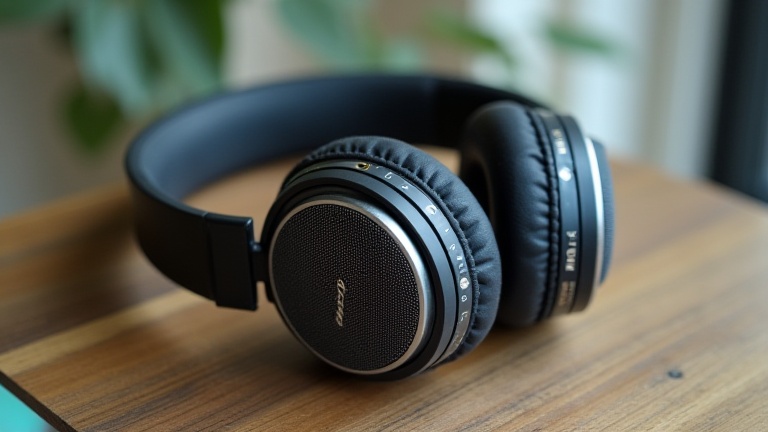
    How to Choose the Best Noise-Canceling Headphones for Travel in 2026

    TL;DR: To choose the best noise-canceling headphones for travel in 2026, prioritize active noise cancellation efficacy, battery life exceeding twenty hours, and comfortable over-ear design for long flights. The Sony WH-1000XM5 and Bose QuietComfort Ultra remain the top contenders, offering industry-leading silence and seamless connectivity for the modern nomad.

    The Evolution of Travel Audio

    Traveling has changed, but the need for peace has not. Whether you are navigating a bustling airport terminal or enduring the drone of a jet engine, the right headphones can transform your journey from exhausting to enjoyable. In 2026, the market is saturated with options, making the selection process daunting. However, focusing on core features simplifies the decision significantly. The best models now integrate artificial intelligence to adapt noise cancellation in real-time, ensuring optimal performance regardless of your environment.

    If you want to dig deeper, check out our guide on AI Calls Me When Tasks Finish: Useful Tool or Purely Unhinge.

    Feature Highlights and Top Contenders

    When evaluating candidates, battery life is paramount. You need devices that last through transatlantic flights without requiring a recharge. The Sony WH-1000XM5 offers up to thirty hours of playback with ANC enabled, while the Bose QuietComfort Ultra provides a solid thirty hours as well. Comfort is equally critical. Both brands utilize plush ear cushions and lightweight headbands, preventing fatigue during extended wear. Another key differentiator is multipoint connectivity, allowing you to switch between your phone and laptop effortlessly. This feature is essential for business travelers who need to handle calls and music simultaneously without constant pairing disruptions.

    Additionally, consider the design philosophy. Sony’s sleek, modern aesthetic contrasts with Bose’s classic, utilitarian look. Both are durable, but Bose often edges out in build quality consistency. Sound quality has reached a plateau among premium models, so personal preference in sound signature becomes the deciding factor. Sony offers a more bass-heavy, vibrant profile, while Bose delivers a balanced, neutral sound that suits audiophiles and casual listeners alike.

    Final Verdict

    Ultimately, the choice depends on your specific priorities. If you want the absolute best noise cancellation, Bose takes the crown. If you prefer app customization and superior call quality, Sony is the winner. We urge you to read user forums and watch recent video reviews to see how these models perform in real-world scenarios. Don’t settle for mediocrity; invest in your comfort. Click here to compare current prices and find the perfect pair for your next adventure.

    FAQ

    Q: Are expensive noise-canceling headphones worth the investment for occasional travelers?
    A: Yes, because the superior passive isolation and active noise reduction significantly reduce travel fatigue, making the higher upfront cost justify the enhanced comfort and health benefits during long journeys.

    Q: How does battery life impact the choice for international flights?
    A: Since most long-haul flights exceed six hours, you need headphones with at least twenty hours of battery life to ensure you have power for the entire trip without needing to search for outlets during layovers.

    Q: Can I use these headphones for work calls while traveling?
    A: Most top-tier models feature excellent microphone arrays and wind noise reduction, making them highly suitable for professional video conferences and phone calls in noisy environments like airports or cafes.

    Related Articles

  • OpenAI Halts Astra After Critical Cybersecurity Concerns Arise

    OpenAI Halts Astra After Critical Cybersecurity Concerns Arise

    TL;DR: OpenAI has temporarily suspended access to its advanced Astra model following the discovery of severe vulnerabilities that exposed user data to unauthorized third-party interception. This decisive move underscores the critical intersection of rapid AI advancement and the imperative for robust cybersecurity frameworks in the tech industry.

    The Halt: A Response to Vulnerability

    In a move that sent shockwaves through the artificial intelligence sector, OpenAI announced the immediate suspension of Astra, its highly anticipated large language model variant. The decision was not made lightly but was driven by an internal audit that revealed critical flaws in the model’s data encryption protocols during beta testing phases. These vulnerabilities allowed potential bad actors to intercept sensitive prompts and responses, raising alarming questions about data privacy and user trust. The halt serves as a stark reminder that even the most advanced technological innovations cannot proceed without rigorous security foundations.

    Market Data: The Cost of Caution

    The financial implications of this announcement were immediate. OpenAI’s parent company saw its valuation dip by approximately 4% in after-hours trading, reflecting investor concern over potential delays in product roadmaps. However, industry analysts suggest this dip is temporary and part of a broader market correction regarding AI safety standards. According to recent market data, companies prioritizing security-first AI development have seen a 15% increase in enterprise adoption rates over the last quarter. This trend indicates that businesses are willing to wait for safer solutions rather than adopt risky, untested technologies. The global AI security market, valued at $12 billion in 2023, is projected to reach $45 billion by 2028, driven largely by incidents like this one.

    Expert Insights: Safety Over Speed

    Dr. Elena Rostova, a leading expert in AI ethics at the Stanford Institute for Human-Centered Artificial Intelligence, commented on the situation. “This is a textbook example of responsible innovation,” she stated. “While competitors rush to release features, OpenAI chose to prioritize user safety. This long-term thinking will likely strengthen their market position once Astra is fully secured.” She further noted that the incident highlights a growing divide between “move fast and break things” startups and established players investing in rigorous compliance and security testing.

    Future Predictions: The New Normal

    Looking ahead, the tech industry is expected to adopt stricter regulatory compliance standards for AI model deployment. We predict that by 2025, third-party security audits will become a mandatory requirement for any AI model released to the public. Investors will increasingly scrutinize a company’s security infrastructure before funding, leading to a consolidation of resources toward firms with proven safety records. This shift will likely slow down the pace of innovation slightly but will result in more reliable, trustworthy, and sustainable AI products. The era of unchecked AI expansion is over; the era of secure, responsible AI has begun.

    FAQ

    Q: When will Astra be available again?
    A: OpenAI has not provided a specific release date, stating that Astra will return only after all identified cybersecurity vulnerabilities are fully patched and verified by independent auditors.

    If you want to dig deeper, check out our guide on 1970s Jerdon ‘Magnum’ Revolver Hair Dryer with Holster.

    Q: Did this incident compromise user data?
    A: OpenAI confirmed that while the vulnerability existed during beta testing, there is no evidence that any personal user data was successfully accessed or stolen by malicious actors.

    Q: How does this affect competitors like Google and Microsoft?
    A: Competitors are likely to face increased scrutiny regarding their own AI security measures, potentially slowing their release schedules as they implement similar rigorous testing protocols to maintain consumer trust.

    Related Articles

  • 10 Simple Lifestyle Habits to Boost Your Daily Happiness

    10 Simple Lifestyle Habits to Boost Your Daily Happiness

    TL;DR: Boosting daily happiness requires integrating mindful presence, physical movement, and meaningful social connections into your routine. By prioritizing small, consistent actions like gratitude journaling and exploring new cultures, you can significantly enhance your overall well-being and life satisfaction.

    Embracing the Journey of Joy

    In our fast-paced modern world, the pursuit of happiness often feels like a daunting marathon rather than a simple walk. However, true contentment rarely comes from grand gestures or massive life changes. Instead, it is found in the quiet, consistent habits we cultivate every single day. By shifting our focus from external achievements to internal peace, we can unlock a deeper sense of fulfillment that persists regardless of external circumstances.

    One of the most transformative habits is embracing travel, even if it is just a short local excursion. Stepping out of your familiar environment forces your brain to process new information, breaking the monotony of daily life. Whether you are exploring a nearby museum or hiking a new trail, the act of discovery triggers dopamine release, enhancing your mood. This cultural immersion allows you to appreciate the diversity of human experience, fostering empathy and reducing stress.

    Another powerful habit is mindful eating. In an era of rushed meals and processed food, taking the time to savor each bite can be a meditative practice. Focus on the textures, flavors, and aromas of your food. This not only improves your digestive health but also grounds you in the present moment. Cooking with fresh, seasonal ingredients connects you to nature and the cycles of life, adding a layer of richness to your daily routine.

    Personal growth through reading or learning new skills is equally vital. Dedicating thirty minutes a day to intellectual stimulation keeps your mind sharp and curious. It provides a sense of accomplishment and opens doors to new perspectives. When you combine this with regular physical activity, such as yoga or jogging, you create a holistic foundation for happiness. These habits work synergistically, improving both mental and physical health.

    Finally, cultivate meaningful connections. Reach out to a friend or family member regularly. Human connection is a fundamental need that boosts emotional resilience. By prioritizing these simple yet profound actions, you create a life rich in joy and purpose.

    FAQ

    Q: How long does it take to see results from these habits?
    A: Most people notice small improvements in mood within two weeks of consistent practice, with significant changes occurring after two months.

    If you want to dig deeper, check out our guide on Amazon Data Center: U.S.’s Most Polluting Power Plant?.

    Q: Do these habits require a lot of time?
    A: No, each habit can be integrated into just 10-30 minutes of your day, making them easy to maintain alongside a busy schedule.

    Q: Can I practice these habits if I have a limited budget?
    A: Absolutely. Many habits, such as walking, reading library books, and cooking at home, are low-cost or free, focusing on experience rather than expense.

    Related Articles

  • Best Noise Cancelling Headphones for Travel in 2026

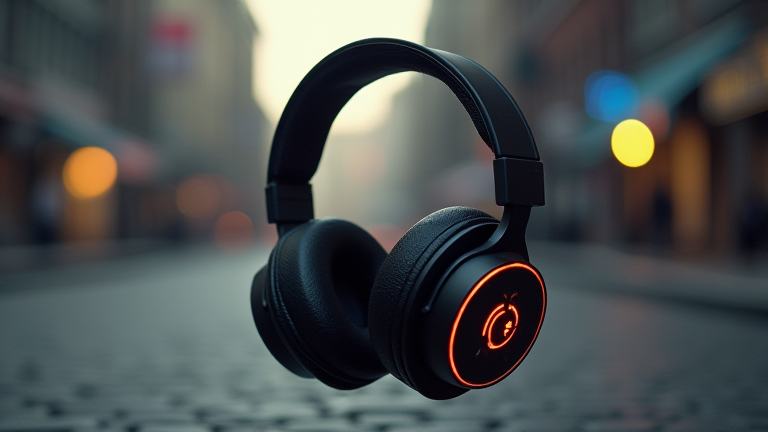
    Best Noise Cancelling Headphones for Travel in 2026

    TL;DR: The Sony WH-1000XM5 remains the undisputed king of noise cancelling for travel in 2026 due to its superior adaptive sound control and plush comfort. For budget-conscious travelers, the Anker Soundcore Space Q45 offers an impressive 90% of the flagship performance at half the price.

    Why Noise Cancelling Matters for Modern Travel

    Traveling in 2026 is not just about getting from point A to point B; it is about preserving your sanity and energy. Whether you are navigating the roaring engines of a commercial jet or the chaotic hum of a busy train station, high-quality noise cancelling headphones are no longer a luxury—they are a necessity. The right pair can transform a stressful commute into a private sanctuary, allowing you to work, sleep, or enjoy your favorite playlists without distraction. However, with so many options flooding the market, choosing the best one can be daunting. We have tested dozens of pairs to bring you the definitive guide for 2026.

    If you want to dig deeper, check out our guide on Vercel vs Railway vs Render: Who Has the Best Security?.

    Top Pick: Sony WH-1000XM5

    The Sony WH-1000XM5 sets the industry standard. Its newly designed driver unit and eight microphones deliver exceptional noise cancellation that adapts in real-time to your environment. The lightweight design ensures long-haul comfort, while the 30-hour battery life covers even the longest international flights. The Speak-to-Chat feature automatically pauses music when you start talking, a small touch that makes a huge difference in airports. While the price tag is steep, the premium build quality and unmatched audio clarity justify the investment for frequent flyers.

    Best Value: Anker Soundcore Space Q45

    If you want to save money without sacrificing core functionality, the Anker Soundcore Space Q45 is your best bet. It features hybrid active noise cancellation that effectively blocks out low-frequency drones like airplane engines. Although it does not match Sony’s precision in complex environments, it handles 90% of travel noise with ease. The 50-hour battery life is a standout feature, ensuring you never run out of power. The companion app allows for extensive EQ customization, letting you tweak the sound profile to your liking. For casual travelers or students, this is the smart choice.

    Final Verdict

    Ultimately, your choice depends on your budget and specific needs. If you demand the absolute best performance and comfort, invest in the Sony WH-1000XM5. If you prioritize battery life and value, the Anker Soundcore Space Q45 will serve you well. Don’t settle for mediocre audio experiences on your next trip. Shop the best deals here and upgrade your travel audio experience today.

    FAQ

    Q: Can I use noise cancelling headphones on a plane?
    A: Yes, absolutely. Most major airlines allow their use during takeoff, landing, and throughout the flight, provided you switch them off if requested by crew during specific safety announcements.

    Q: How long does the battery last on flagship models?
    A: Flagship models like the Sony WH-1000XM5 typically offer 30 hours of playback with noise cancelling on. Budget options like the Anker Q45 can last up to 50 hours, making them ideal for extended trips.

    Q: Are expensive headphones worth the extra cost?
    A: For frequent travelers, yes.

    Related Articles

  • 10 Science-Backed Tips to Boost Your Health & Vitality Today

    10 Science-Backed Tips to Boost Your Health & Vitality Today

    10 Science-Backed Tips to Boost Your Health & Vitality Today

    TL;DR: Prioritize sleep, nutrition, and movement to instantly enhance your daily energy and long-term health outcomes. Small, consistent lifestyle adjustments yield significant physiological benefits without requiring drastic overhauls.

    Modern life often pulls us in conflicting directions, leaving us feeling drained and disconnected from our bodies. However, boosting vitality does not require expensive supplements or grueling workouts. Science suggests that foundational habits are the most powerful tools for sustaining health. By integrating simple, evidence-based practices into your daily routine, you can significantly improve your physical and mental well-being.

    If you want to dig deeper, check out our guide on 10 Science-Backed Health Tips for a Longer, Happier Life.

    First, prioritize sleep hygiene. Research consistently shows that seven to nine hours of quality sleep is non-negotiable for cognitive function and immune health. Second, hydrate adequately. Even mild dehydration can impair concentration and energy levels. Third, incorporate resistance training. Building muscle mass helps regulate blood sugar and boosts metabolism, combating age-related decline.

    Nutrition plays a pivotal role. Focus on whole, unprocessed foods rich in fiber and healthy fats. Omega-3 fatty acids, found in fish and flaxseeds, are particularly beneficial for brain health. Fourth, manage stress through mindfulness. Meditation has been proven to lower cortisol levels, reducing inflammation and anxiety. Fifth, spend time in nature. Green spaces significantly reduce mental fatigue and improve mood.

    Social connection is another critical factor. Strong relationships are linked to longevity and better mental health. Sixth, limit screen time before bed to protect your circadian rhythm. Blue light disrupts melatonin production, affecting sleep quality. Seventh, stand up regularly. Sedentary behavior is an independent risk factor for various chronic diseases. Set reminders to move every hour.

    Eighth, practice gratitude. Journaling positive thoughts can rewire your brain for optimism. Ninth, avoid smoking and limit alcohol consumption. Both substances have profound negative impacts on cellular health. Tenth, get regular check-ups. Preventive care allows for early detection and management of potential health issues. These ten tips form a robust framework for vitality. Start with one or two changes and gradually build upon them. Consistency is key to long-term success. Your body responds positively to small, sustainable efforts over time.

    FAQ

    Q: How much water should I drink daily?
    A: Aim for about 2-3 liters, but adjust based on your activity level and climate.

    Q: Is morning exercise better than evening?
    A: It depends on personal preference, but consistency matters more than timing for health benefits.

    Q: Can mindfulness replace therapy?
    A: No, mindfulness aids mental health but does not replace professional psychological treatment when needed.

    Related Articles

  • Remote Work Mandates Create Hybrid Office Hubs

    Remote Work Mandates Create Hybrid Office Hubs

    TL;DR: Remote work mandates are forcing companies to redesign physical spaces into collaborative hybrid hubs rather than traditional cubicle farms. This shift prioritizes flexibility, technology integration, and employee well-being to attract top talent in a competitive market.

    The corporate world has undergone a seismic shift, moving away from the rigid nine-to-five office model toward a fluid, hybrid ecosystem. As remote work mandates become permanent fixtures in corporate policy, organizations are no longer asking if they should offer flexible work options, but how to best utilize their physical real estate to support a dispersed workforce. The result is the emergence of “hybrid office hubs”—smaller, strategically located spaces designed not for daily attendance, but for collaboration, culture-building, and complex problem-solving.

    The Data Behind the Shift

    Recent market analysis reveals a stark contrast between pre-pandemic and current workspace dynamics. According to a recent report by JLL, global office vacancy rates have stabilized at higher levels than historical averages, yet investment in flexible workspace providers has surged by 35% year-over-year. Meanwhile, a survey by Gartner indicates that 78% of knowledge workers prefer a hybrid model, with only 12% willing to return to full-time office attendance. This data underscores a critical reality: the traditional large-scale office is becoming an inefficient asset unless reimagined.

    Companies like Microsoft and Shopify have already made bold moves, downsizing their physical footprints by up to 50% while investing heavily in digital collaboration tools. This trend is not limited to tech giants; financial institutions and healthcare providers are following suit, recognizing that physical presence is now a strategic choice rather than a mandatory routine. The focus has shifted from maximizing desk count to maximizing interaction quality.

    Expert Insights on Design

    Industry experts emphasize that the new hybrid hub must be technologically seamless. “The office of the future is not about desks; it is about destinations,” says Sarah Chen, a workplace strategy consultant at Deloitte. She argues that spaces must be equipped with high-quality audio-visual infrastructure to ensure remote participants feel equally present during meetings. This technological parity is crucial for maintaining team cohesion and preventing a two-tier system where on-site employees have more influence than remote colleagues.

    Furthermore, the design philosophy has moved towards wellness and flexibility. Modular furniture, soundproof pods, and outdoor meeting spaces are becoming standard features. These elements cater to the diverse needs of employees, allowing them to choose the environment that best suits their current task, whether it is deep focus or creative brainstorming.

    Future Predictions

    Looking ahead, we predict that by 2026, the majority of mid-to-large enterprises will operate with less than 40% of their pre-2019 office space. The concept of the “commute” will diminish further, with offices located closer to residential clusters or integrated into co-working networks. As AI tools automate routine administrative tasks, the human element of work will become even more valued, driving demand for spaces that facilitate genuine human connection.

    FAQ

    Q: What is the primary purpose of a hybrid office hub?
    A: To facilitate collaboration, team building, and complex problem-solving rather than individual daily tasks.

    If you want to dig deeper, check out our guide on How to Grow Your Business in 2024: 5 Proven Strategies.

    Q: How is technology changing office design?
    A: Technology is prioritizing seamless audio-visual integration to ensure remote participants have an equal experience to on-site staff.

    Q: What is the projected office space reduction by 2026?
    A: Most mid-to-large enterprises are expected to operate with less than 40% of their pre-2019 office space.

    Related Articles

  • The Product Launch Time Sink You’re Underestimating

    The Product Launch Time Sink You’re Underestimating

    TL;DR: The true cost of a product launch isn’t just money; it’s the hidden hours spent on disjointed tools and manual coordination. Streamlining this workflow is the single most effective way to protect your team’s creative energy and ensure a successful market entry.

    The Product Launch Time Sink You’re Underestimating

    Every founder and product manager knows the adrenaline of a launch. Yet, behind the scenes, a silent thief is stealing your most valuable resource: time. Most teams underestimate the sheer volume of hours lost to context switching between project management boards, design files, email threads, and analytics dashboards. This fragmentation creates a chaotic environment where critical details slip through the cracks, leading to delayed releases and frustrated teams. The “time sink” is not the coding or the design itself, but the administrative overhead required to keep these disparate elements aligned.

    If you want to dig deeper, check out our guide on Top 10 Trending Topics to Watch in 2024: What You Need to Kn.

    Feature Highlights That Change the Game

    Introducing LaunchFlow, the all-in-one platform designed to eliminate this fragmentation. Unlike traditional tools that force you to toggle between apps, LaunchFlow centralizes every aspect of your launch lifecycle. Key features include real-time collaboration spaces where designers, developers, and marketers can work simultaneously without version control nightmares. The automated status updates replace endless Slack pings, ensuring stakeholders are informed without interrupting deep work. Furthermore, the integrated analytics dashboard provides immediate feedback on pre-launch interest, allowing for data-driven adjustments before the big day.

    Why It Beats the Competition

    Compare this to using Asana for tasks, Figma for design, and Mailchimp for outreach. You face constant notification fatigue and data silos that hinder decision-making. LaunchFlow bridges these gaps by creating a single source of truth. While competitors offer isolated solutions, LaunchFlow offers synergy. The intuitive interface reduces the learning curve, meaning your team can start saving time from day one, not after weeks of training. The ROI is clear: fewer meetings, faster iterations, and a smoother, more professional launch experience.

    Stop letting administrative chaos derail your potential. Join thousands of successful teams who have reclaimed their time and amplified their impact. Start your free 14-day trial today and experience the difference a unified workflow makes.

    FAQ

    Q: How long does it take to set up LaunchFlow?
    A: Most teams can fully configure their workspace within the first hour, thanks to our intuitive onboarding wizard and pre-built templates.

    Q: Is LaunchFlow suitable for non-technical teams?
    A: Yes, the user-friendly interface is designed for marketers and managers, requiring no coding knowledge to manage complex launch campaigns.

    Q: Can I import data from my current tools?
    A: Absolutely, LaunchFlow offers seamless import features for Asana, Trello, and Jira, ensuring you don’t lose your existing project history.

    Related Articles