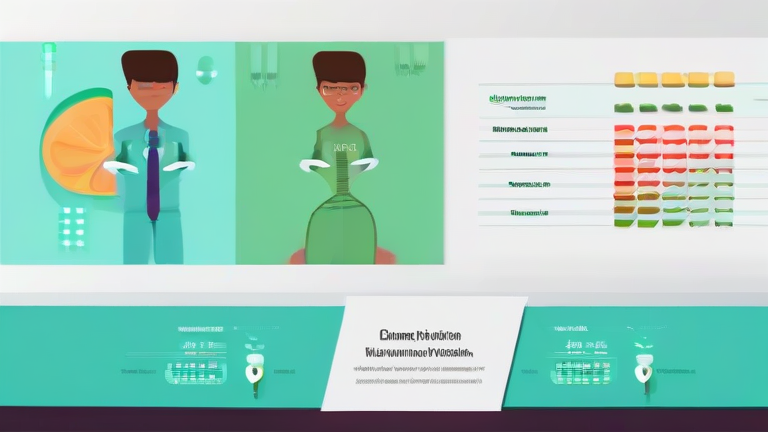
Personalized Nutrition: DNA Testing for Better Health
The landscape of modern wellness is undergoing a seismic shift, moving away from one-size-fits-all dietary advice toward highly customized solutions driven by genetic data. This revolution, known as personalized nutrition, leverages the power of DNA testing to tailor dietary recommendations to an individual’s unique biological makeup. For businesses in the health and wellness sector, this represents not just a trend, but a fundamental restructuring of how consumers interact with food and supplements. The convergence of biotechnology, data analytics, and consumer health awareness has created a robust market opportunity that is expanding rapidly across the globe.
Market analysis reveals a significant upward trajectory for the personalized nutrition sector. According to recent industry reports, the global personalized nutrition market is projected to reach substantial valuations by the end of the decade, driven by increasing prevalence of lifestyle-related diseases such as obesity, diabetes, and cardiovascular conditions. Consumers are becoming more sophisticated, demanding transparency and efficacy in their health choices. They no longer trust generic guidelines; instead, they seek evidence-based strategies that align with their genetic predispositions. This demand is fueled by the accessibility of direct-to-consumer genetic testing kits, which have lowered the barrier to entry, allowing everyday consumers to access complex biological data easily and affordably. The market is no longer niche; it is mainstream, attracting investment from major pharmaceutical companies, tech giants, and traditional food manufacturers eager to capture this growing segment.
If you want to dig deeper, check out our guide on VR Therapy in Mental Wellness Apps: The Future of Care.
Strategic Insights for Market Entry
For companies looking to capitalize on this trend, strategy must focus on trust, accuracy, and user experience. A common pitfall is overpromising results. Businesses must ensure that their genetic interpretations are backed by robust scientific research and clinical validation. Transparency regarding data privacy is also paramount, as consumers are increasingly wary of how their sensitive genetic information is stored and used. Successful strategies involve creating seamless integrations between genetic data and actionable lifestyle changes. This means providing users with clear, practical advice on what to eat, when to exercise, and which supplements to take, rather than just presenting raw data. Furthermore, leveraging artificial intelligence to analyze large datasets can enhance the precision of recommendations, creating a feedback loop that improves over time as more user data is collected.
Case studies from leading players in the industry illustrate the potential for success. Companies like Habit and DNAfit have demonstrated that combining genetic insights with behavioral coaching
Leave a Reply