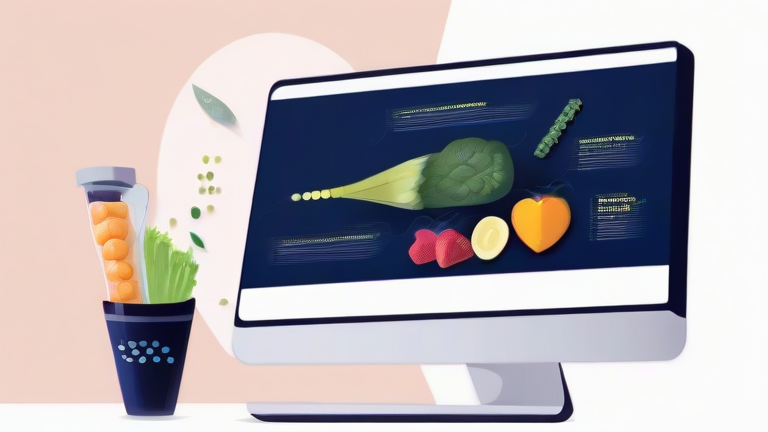
Personalized Nutrition: Real-Time Microbiome Data Guide
The landscape of dietary science is undergoing a profound transformation, shifting away from one-size-fits-all guidelines toward hyper-personalized strategies driven by biological data. At the forefront of this revolution is the integration of real-time microbiome analysis, a technology that allows individuals to monitor their gut health dynamically rather than relying on static, annual tests. This shift represents not just a scientific advancement, but a significant economic opportunity within the broader wellness industry.
The market for personalized nutrition is expanding at an unprecedented rate. Recent industry reports indicate that the global personalized nutrition market is projected to reach $16 billion by 2027, growing at a compound annual growth rate of nearly 12%. A critical driver of this growth is the consumer desire for actionable, immediate feedback. Traditional DNA testing provides a genetic baseline, but it fails to capture the dynamic nature of the gut microbiome, which changes daily based on diet, stress, and sleep. Real-time data bridges this gap, offering a living map of one’s internal ecosystem.
Experts emphasize that the value lies in the immediacy of the insights. Dr. Elena Rostova, a leading gastroenterologist and nutrition scientist, notes, “We are moving from reactive healthcare to proactive lifestyle management. When consumers see how a specific meal alters their microbial diversity within hours, they make different choices the next day. This behavioral feedback loop is far more effective than generic advice to ‘eat more fiber.’” This sentiment is echoed by biotech startups that are developing wearable sensors and smart toilets capable of analyzing stool samples instantly, providing users with a score that reflects their gut health status in real-time.
If you want to dig deeper, check out our guide on Top 10 Marketing Trends Shaping 2024: What You Need to Know.
Looking ahead, the convergence of artificial intelligence and microbiome data will redefine preventive medicine. Future predictions suggest that within the next five years, insurance companies may offer premium discounts to individuals who maintain optimal microbiome metrics, incentivizing healthy behaviors through financial rewards. Furthermore, the integration of these insights into smartphone applications will allow for automated meal recommendations tailored to the user’s current microbial state. Imagine ordering lunch and receiving a notification that suggests a specific side
Leave a Reply