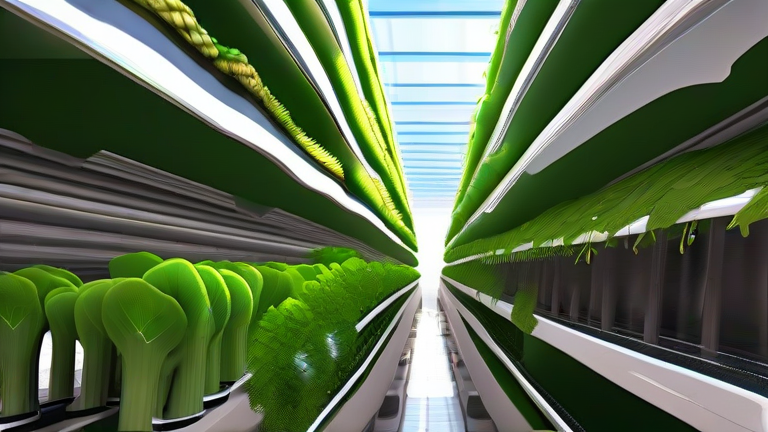
Rapid Expansion of Urban Vertical Farming: Future of Food

Traveling through the neon-lit streets of Singapore or the historic canals of Amsterdam, one might expect to see traditional markets or sprawling agricultural fields on the horizon. Instead, they find themselves walking beneath massive, glass-encased towers that glow with a soft, purple LED light. This is not a science fiction set; it is the rapid expansion of urban vertical farming, a movement that is quietly redefining our relationship with food, culture, and personal well-being.
The concept is simple yet revolutionary: growing crops in stacked layers within controlled indoor environments. By utilizing hydroponics, aquaponics, or aeroponics, these farms use up to 95% less water than traditional agriculture and require zero pesticides. But beyond the statistics lies a profound cultural shift. We are moving away from the romanticized notion of rural isolation and toward an integrated urban ecosystem where food production is visible, accessible, and immediate.
For the modern traveler, visiting these vertical farms has become a new form of culinary tourism. Imagine stepping into a rooftop garden in New York City, where the air smells of fresh basil and mint, harvested mere moments before it lands on your plate. This proximity transforms the dining experience from a passive consumption act into an active engagement with nature. The “farm-to-table” journey has been shortened to “floor-to-plate,” eliminating the carbon footprint associated with long-haul transportation and ensuring peak freshness.
From a personal growth perspective, engaging with urban agriculture fosters a deeper sense of responsibility and mindfulness. When you see the intricate systems required to sustain life in a concrete jungle, you begin to appreciate the fragility and resilience of our food sources. It challenges the consumer to think critically about supply chains, sustainability, and the true cost of their meals. This awareness can lead to more conscious lifestyle choices, extending beyond just food to broader environmental stewardship.
Moreover, the culture of community is being revitalized. Many vertical farms are integrated into local neighborhoods, serving as educational hubs where children and adults alike learn about botany, nutrition, and technology. These spaces break down the barriers between producers and consumers, creating a shared sense of ownership over local food security.
Leave a Reply