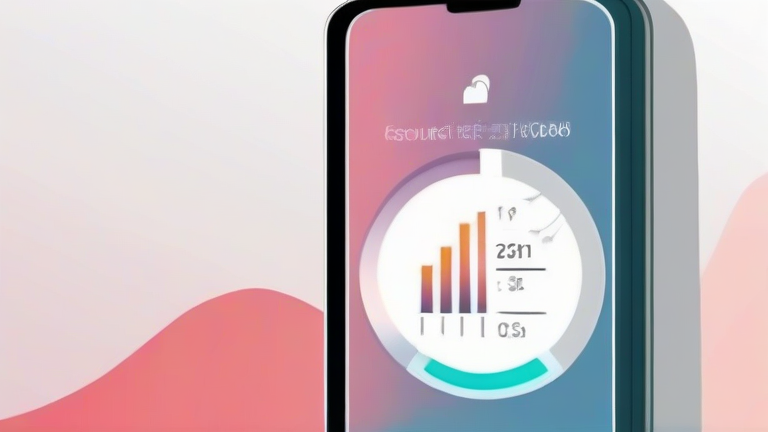
Real-Time Biometric Data in Mental Health Apps
Integrating real-time biometric data into mental health applications represents a significant leap forward in digital therapeutics. By leveraging wearable technology and smartphone sensors, developers can create proactive support systems that detect anxiety, stress, or depressive episodes before they escalate. This guide outlines the essential steps to build such a system, focusing on privacy, accuracy, and user engagement.

Step 1: Define Clinical Metrics and Sensors
Before writing code, determine which biometric indicators correlate with specific mental health states. Common metrics include Heart Rate Variability (HRV), skin conductance (GSR), and sleep patterns. HRV is particularly effective for measuring stress resilience. Ensure your app pairs with reliable hardware, such as smartwatches or fitness trackers, that offer continuous data streams. Decide whether you will rely on built-in smartphone accelerometers for movement analysis or external Bluetooth devices for more precise physiological readings.
If you want to dig deeper, check out our guide on Top 10 SEO Trends to Watch in 2024.
Step 2: Establish Secure Data Pipelines
Mental health data is highly sensitive. You must implement end-to-end encryption for all data transmissions between the user’s device and your servers. Use protocols like TLS 1.3 for network communication and AES-256 for data at rest. Avoid storing raw biometric data on local devices whenever possible. Instead, process data on-device using machine learning models to extract features, sending only aggregated insights to the cloud. This reduces the risk of data breaches and ensures compliance with HIPAA and GDPR regulations.
Step 3: Implement Real-Time Analytics
Utilize stream processing frameworks like Apache Kafka or AWS Kinesis to handle incoming biometric data in real time. Set up dynamic thresholds for anomaly detection. For instance, if a user’s HRV drops below a personalized baseline for thirty minutes, trigger a mild intervention. Avoid static thresholds, as baselines vary significantly between individuals. Implement adaptive learning
Leave a Reply