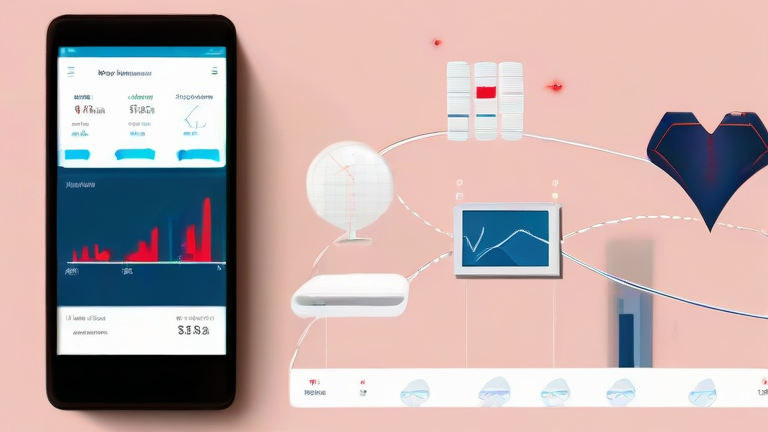
Real-Time Cardiac Event Prediction: Wearable Health Tech
The convergence of biotechnology and artificial intelligence is fundamentally reshaping the landscape of preventive medicine. At the forefront of this revolution is the development of real-time cardiac event prediction systems embedded within wearable devices. No longer confined to clinical settings, advanced cardiac monitoring is now portable, accessible, and continuously active. This shift represents not just a technological upgrade, but a paradigmatic change in how humanity approaches heart health, moving from reactive treatment to proactive prevention. The implications for the healthcare industry are profound, offering unprecedented opportunities for insurers, device manufacturers, and healthcare providers alike.
If you want to dig deeper, check out our guide on VR Therapy in Mental Wellness Apps: The Future of Care.
Market Analysis: A Surge in Demand
The global market for wearable cardiac monitors is experiencing exponential growth. Recent industry reports indicate a compound annual growth rate (CAGR) exceeding fifteen percent, driven by an aging global population and the increasing prevalence of cardiovascular diseases. Cardiovascular conditions remain the leading cause of death worldwide, accounting for nearly thirty percent of all global fatalities. Consequently, there is a pressing need for solutions that can detect anomalies such as atrial fibrillation, tachycardia, or bradycardia before they escalate into life-threatening emergencies. Investors are heavily capitalizing on this trend, pouring billions into startups that specialize in algorithmic precision and miniaturized sensor technology. The market is no longer just about step counting; it is about critical health data integrity and real-time analytics.
Strategic Insights for Stakeholders
For technology companies, the strategic focus must shift from hardware specifications to data utility. The true value proposition lies in the accuracy of the predictive algorithms and the seamless integration of data into Electronic Health Records (EHR). Companies that can demonstrate clinical validity through rigorous trials will gain a significant competitive advantage. Furthermore, partnerships with insurance providers are crucial. By offering lower premiums to users who maintain healthy heart metrics via their wearables, insurers can reduce long-term liability while promoting user engagement. Healthcare providers, on the other hand, must adapt their workflows to incorporate remote patient monitoring. This requires robust cybersecurity measures to protect sensitive health data, ensuring compliance with regulations
Leave a Reply