
TL;DR: Remote work hubs are fundamentally altering urban demographics by decentralizing talent and shifting population flows from expensive metropolitan centers to secondary cities. This migration is reshaping real estate markets, local economies, and the very definition of community in the post-pandemic era.
The traditional nine-to-five office model has largely collapsed, replaced by a hybrid ecosystem that prioritizes flexibility over proximity. Consequently, dedicated remote work hubs—often referred to as “third places”—have emerged as critical infrastructure in both urban and rural landscapes. These spaces are not merely co-working offices; they are sophisticated communities equipped with high-speed fiber optics, soundproof pod technology, and ergonomic furniture designed to mimic the productivity of corporate headquarters while offering the comfort of home. According to recent industry reports, the global co-working market is projected to reach $20 billion by 2027, driven largely by this demographic shift. Companies are no longer leasing vast floors in downtown skyscrapers but are instead distributing their workforce across smaller, satellite hubs located in towns with a lower cost of living. This trend is visibly changing city demographics, as younger professionals and digital nomads move away from coastal megacities to inland regions, bringing disposable income and demand for high-quality amenities to previously stagnant local economies.
If you want to dig deeper, check out our guide on Digital Identity Protocols: Replacing Traditional Logins.
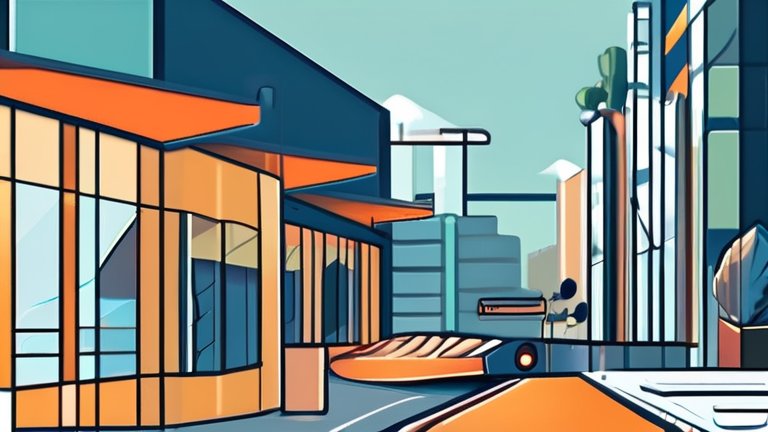
The technological specifications powering these hubs are equally impressive. Many now feature 5G-enabled zones, virtual reality meeting rooms, and AI-driven scheduling systems that optimize space usage in real-time. This technological backbone allows for seamless collaboration between employees who may never meet in person, ensuring that physical distance does not hinder professional synergy. Furthermore, the environmental impact is significant. By reducing daily commutes and centralizing energy usage in efficient hubs, cities are seeing a measurable drop in carbon emissions. Local businesses, from coffee shops to gyms, are experiencing a renaissance as remote workers seek out community engagement outside their immediate living spaces. This economic ripple effect is revitalizing small towns that had previously suffered from brain drain. Developers are responding by retrofitting old warehouses and libraries into modern workspaces, preserving architectural heritage while adapting it for the digital age. The result is a more balanced distribution of wealth and opportunity across the country. As these hubs continue to evolve, they are becoming integral nodes in a decentralized national network, challenging the dominance of traditional financial and tech capitals. The future of work is not about where we sit, but how we connect, and these hubs are the physical manifestation of that new reality.
FAQ
Q: What is a remote work hub?
A: A remote work hub is a dedicated communal space equipped with professional-grade technology and amenities, designed to support workers who do not have a traditional office.
Q: How do these hubs affect local economies?
A: They inject new income into secondary cities, boosting local businesses like cafes and retailers, and often lead to increased property values and community revitalization.
Q: Are these hubs only for freelancers?
A: No, they are increasingly utilized by full-time employees of large corporations who adopt hybrid work schedules, seeking a productive environment outside their home.
Leave a Reply