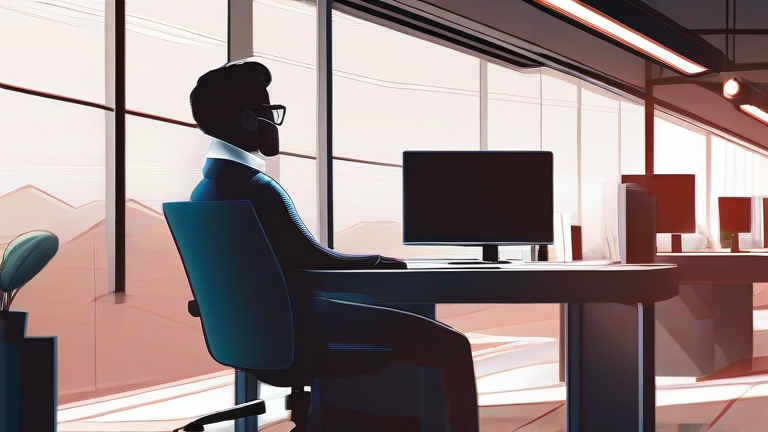
Remote Work & Hybrid Mandates: Navigating the New Office Reality
The landscape of professional life has shifted dramatically. What began as an emergency necessity has evolved into a permanent fixture of the global economy. For many, the daily commute has been replaced by the quiet hum of a home office, while others navigate the complex social dynamics of hybrid schedules. However, this flexibility comes with unique health challenges. Without the physical movement of traveling to work or the social cues of a bustling office, it is easy to fall into sedentary traps that compromise both physical and mental well-being. To thrive in this new reality, we must adopt intentional strategies grounded in science and practical lifestyle adjustments.
The Science of Sedentary Behavior
Research consistently shows that prolonged sitting is an independent risk factor for cardiovascular disease, obesity, and type 2 diabetes, regardless of exercise habits. In a remote setting, the boundary between work and rest blurs, often leading to extended periods of uninterrupted sitting. The solution is not merely to exercise for an hour a day but to interrupt sedentary time throughout the day. Studies suggest that brief bouts of movement every thirty minutes can significantly improve metabolic health and maintain steady energy levels. Simple actions like standing during phone calls, taking walking meetings, or performing desk stretches can mitigate the physiological stress of prolonged immobility.
If you want to dig deeper, check out our guide on Real-Time Biometric Data in Mental Health Apps.
Designing a Healthy Workspace
Your environment dictates your behavior. Ergonomics are crucial for preventing chronic pain. Ensure your monitor is at eye level to prevent neck strain, and keep your keyboard at elbow height to avoid wrist issues. Lighting plays a pivotal role in circadian rhythm regulation. Exposure to natural light during work hours boosts mood and alertness, while excessive blue light from screens late in the day can disrupt sleep patterns. Invest in a quality chair, consider a standing desk converter, and position your workspace near a window if possible. These small environmental tweaks can yield significant long-term health benefits.
Protecting Mental Boundaries
Mental health in the hybrid era requires rigorous boundary-setting. The “always-on” culture can lead to
Leave a Reply