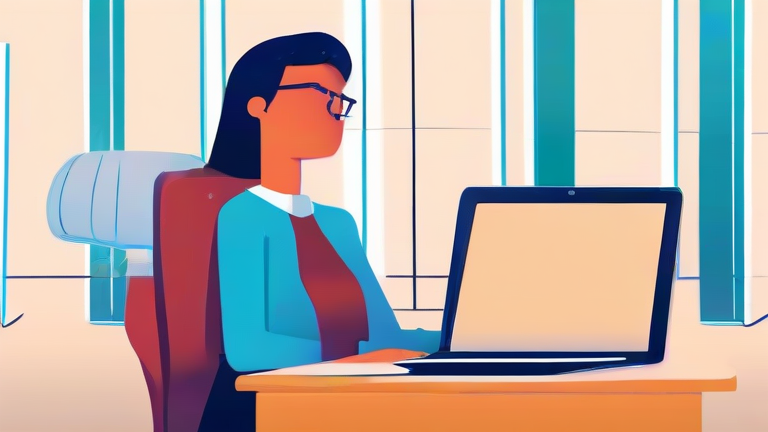
Remote Work Mandates Return to Hybrid Models
The corporate landscape has shifted dramatically in recent years, moving from the initial explosion of fully remote work to a cautious, strategic retreat toward hybrid models. While many employees initially celebrated the flexibility of working from home, emerging health and wellness data suggests that complete isolation can have profound negative effects on mental health, physical posture, and social cohesion. Companies are now mandating a return to the office two or three days a week, not just for productivity metrics, but to safeguard employee well-being.
The science behind this transition is robust. Research published in the Journal of Occupational Health Psychology indicates that prolonged remote work without structured social interaction can lead to increased feelings of loneliness and anxiety. Humans are inherently social creatures, and our circadian rhythms and stress levels are significantly influenced by face-to-face interactions. The hybrid model attempts to strike a balance, allowing employees the autonomy of home while preserving the essential psychological benefits of in-person collaboration.
Optimizing Your Hybrid Lifestyle
Transitioning between home and office environments can be jarring if not managed correctly. To maintain physical health, experts recommend adhering to strict ergonomic protocols in both settings. At home, ensure your monitor is at eye level to prevent neck strain, and use a chair that supports your lower back. When commuting or moving between locations, incorporate movement into your routine. A ten-minute walk before starting work or after lunch can boost cognitive function and reduce sedentary risks associated with desk jobs.
If you want to dig deeper, check out our guide on NFTs Evolve Into Verified Digital Identity Keys.
Mental wellness requires intentional boundary setting. In a hybrid setup, the lines between professional and personal life often blur. Establish a dedicated workspace at home, even if it is just a specific corner of a room. This physical cue signals to your brain that it is time to focus. Conversely, when you are in the office, use that time for collaborative tasks, brainstorming, and social connection. Reserve remote days for deep, uninterrupted work that requires concentration. This segmentation helps prevent burnout by ensuring that each environment serves a distinct, purposeful function.
Nutrition also plays a critical role in sustaining energy levels during this transition. Without the structure
Leave a Reply