
TL;DR: Companies are returning to office mandates to foster spontaneous collaboration and strengthen corporate culture, which remote settings often struggle to replicate. This shift prioritizes holistic employee well-being by reducing isolation and establishing clearer boundaries between professional and personal life.
The Science of Social Connection
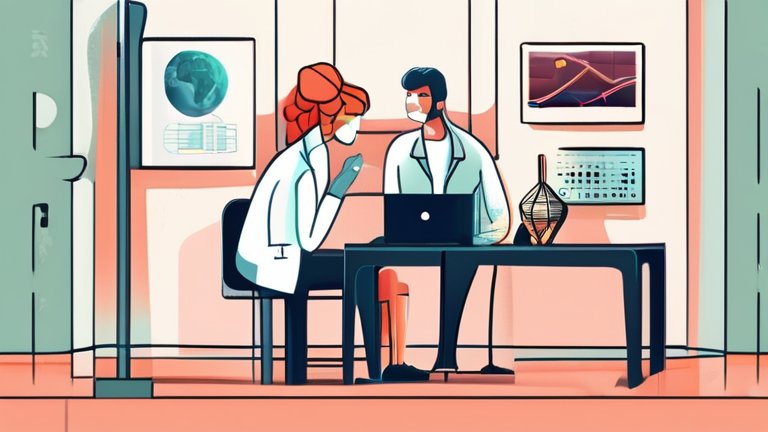
The debate over remote work versus office return is not merely about productivity metrics; it is deeply rooted in human psychology and neuroscience. Research from Stanford University indicates that while remote work boosts individual focus, it significantly hampers complex, innovative problem-solving that requires real-time interaction. The “watercooler effect”—those unscripted, spontaneous conversations—is difficult to digitize. These micro-interactions build trust and psychological safety, essential components for mental health and job satisfaction.
Isolation is a silent killer in the modern workforce. A study published in the *Journal of Occupational Health Psychology* found that prolonged social isolation at home correlates with increased levels of cortisol, the body’s primary stress hormone. Chronic elevation of cortisol can lead to anxiety, depression, and weakened immune function. By returning to the office, companies are inadvertently addressing a public health crisis by reintroducing structured social contact. This physical presence helps combat the “zoom fatigue” that stems from the cognitive load of processing non-verbal cues through a screen.
Lifestyle Tips for the Hybrid Worker
Transitioning back to an office environment requires adjusting your daily rhythm to protect your mental and physical health. First, prioritize your commute as a transitional ritual. Use this time to listen to calming music or an educational podcast, allowing your brain to shift gears from work mode to home mode. This psychological boundary is crucial for preventing burnout.
Second, leverage office time for active collaboration and home time for deep, solitary work. This aligns with the scientific principle of “context-dependent memory” and focus. When you are in the office, engage in face-to-face meetings to build rapport. When you are remote, turn off notifications and create a dedicated workspace that signals to your brain it is time for concentration.
Third, maintain physical wellness. Office environments often encourage movement—walking to a colleague’s desk, using shared printers, or walking to the cafeteria. Replicate this at home by setting hourly movement reminders. Stand up, stretch, or take a short walk. These small physical acts reduce the risk of sedentary lifestyle diseases like heart disease and type 2 diabetes, which have risen sharply among remote workers.
FAQ
Q: How does returning to the office reduce stress?
A: It reduces stress by providing social support networks and clear boundaries between work and home life, lowering cortisol levels associated with isolation.
If you want to dig deeper, check out our guide on Early Metabolic Stress Detection: Sleep Optimization Wearabl.
Q: What is the best way to handle hybrid schedules?
A: Designate specific days for in-person collaboration and others for deep work, ensuring you maximize the unique benefits of each environment.
Q: Can remote work ever be healthier than office work?
A: Yes, if managed correctly, remote work can reduce commute stress and allow for better work-life balance, but it requires strict self-discipline to avoid isolation.
Leave a Reply