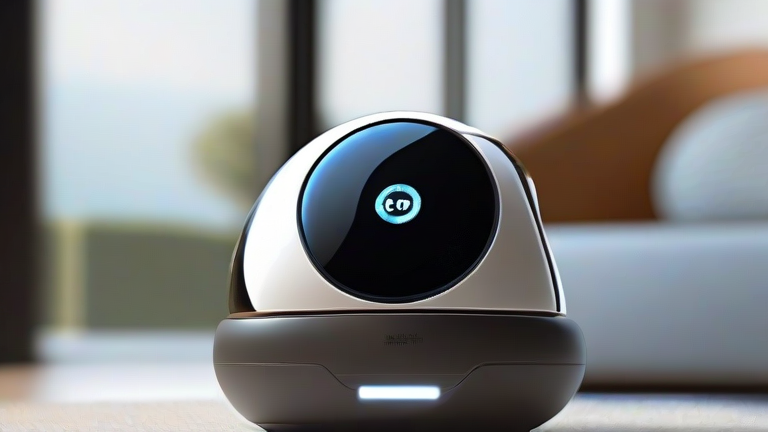
Robotic Home Assistants Go Mainstream: The Future of Smart Living
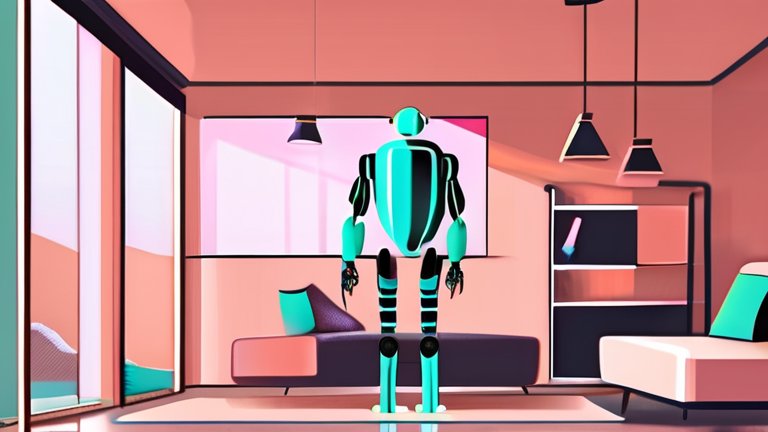
The era of the distant, clunky robot is over. Today’s home assistants are sleek, intuitive, and deeply integrated into our daily routines. From autonomous vacuum cleaners that map your floors to sophisticated AI-driven hubs that manage your schedule, robotic technology has transitioned from novelty to necessity. This shift is not merely about convenience; it represents a significant opportunity to enhance physical health, mental clarity, and overall lifestyle balance.
The Science Behind the Sweep
Research published in the *Journal of Environmental Psychology* suggests that a clutter-free environment significantly reduces cortisol levels, the body’s primary stress hormone. By automating mundane chores like floor cleaning or laundry folding, robotic assistants free up mental bandwidth. This reduction in cognitive load allows individuals to focus on high-value activities, such as creative work or quality time with family. Furthermore, consistent cleaning by robots reduces allergens like dust mites and pet dander, directly benefiting respiratory health for those with asthma or allergies.
Lifestyle Tips for Smart Integration
To maximize the health benefits of smart living, consider these evidence-based strategies. First, prioritize sleep hygiene. Modern smart speakers and hubs can be programmed to simulate sunrise lighting and play white noise, aiding in circadian rhythm regulation. According to the National Sleep Foundation, consistent sleep environments lead to deeper, more restorative rest, which is crucial for immune function and emotional stability.
Second, leverage automation for hydration and nutrition. Smart refrigerators and water dispensers can send reminders to drink water throughout the day. Dehydration is linked to fatigue and decreased cognitive performance, so these gentle nudges can improve energy levels without requiring active effort. Additionally, robotic kitchen assistants that prep vegetables or cook meals can encourage healthier eating habits by reducing the barrier to preparing nutritious meals after a long day.
Leave a Reply