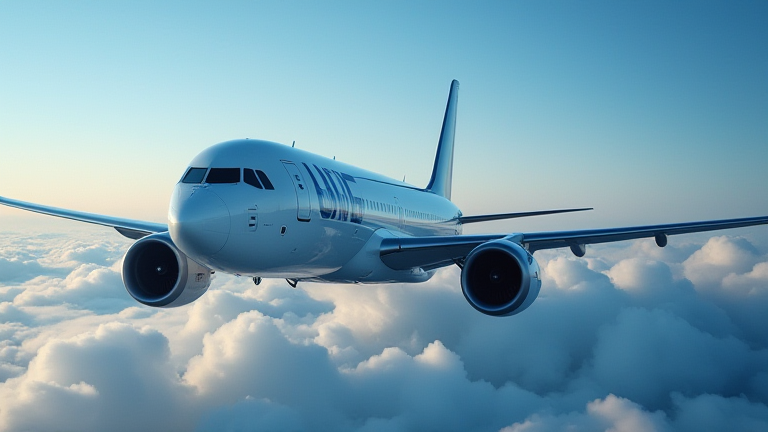
TL;DR: The new SAF mandate forces a fundamental shift in transatlantic airline economics by making sustainable aviation fuel a non-negotiable operating expense rather than a voluntary green initiative. Consequently, carriers with integrated supply chains and strong passenger loyalty will outcompete those relying solely on low-cost models.
The Economic Tipping Point
The aviation industry stands at a critical crossroads. New regulatory frameworks demanding the integration of Sustainable Aviation Fuel (SAF) are no longer aspirational; they are immediate financial realities. For transatlantic routes, which account for a significant portion of global revenue, the impact is profound. Unlike domestic short-haul flights, long-haul transatlantic journeys consume massive amounts of fuel, making the price differential between conventional jet fuel and SAF a decisive factor in profitability. Airlines can no longer treat environmental sustainability as a marketing perk; it is now a core component of their cost structure.
If you want to dig deeper, check out our guide on Brain-Computer Interfaces Restore Mobility in Paralysis.
Feature Highlights of the New Regulatory Landscape
The mandate introduces several key features that reshape operational planning. First, there is a phased-in percentage requirement, starting with a small blend but rapidly increasing to higher concentrations over the next decade. This forces airlines to secure long-term offtake agreements with fuel producers, locking in costs that may fluctuate wildly. Second, the regulation includes a carbon credit offset mechanism for airlines that cannot meet the physical fuel mandates, creating a secondary market for carbon allowances. Third, reporting requirements have become stricter, demanding real-time tracking of fuel sources and lifecycle emissions. These features create a complex compliance landscape that favors airlines with robust data infrastructure and legal teams.
Comparing the Giants
When comparing major transatlantic carriers, the divergence in strategy is stark. Legacy carriers with diversified revenue streams, such as premium cabin sales and frequent flyer programs, can absorb the initial SAF price premium more easily. Their loyal customer base is often willing to pay a slight surcharge for greener options. In contrast, ultra-low-cost carriers (ULCCs) face existential pressure. Their thin margins leave little room for fuel cost increases. While ULCCs may attempt to pass costs to consumers, price-sensitive travelers might switch to legacy carriers if the difference becomes noticeable. Furthermore, legacy carriers have deeper pockets to invest in fuel-efficient next-generation aircraft, which offset some SAF costs through improved efficiency. ULCCs, often operating older fleets, struggle to mitigate these new expenses, leading to potential route cancellations or service reductions on less profitable transatlantic corridors.
Strategic Implications for Stakeholders
For investors, this shift signals a need to re-evaluate airline valuations. Companies with vertical integration in fuel supply or strong ESG ratings are likely to see sustained growth. For passengers, expect to see “green fees” on tickets, though these may be bundled into overall fares to maintain transparency. The long-term benefit is a cleaner environment, but the short-term cost is higher airfares. Airlines that fail to adapt their business models to this new economic reality risk falling behind competitors who view SAF as an opportunity to brand themselves as leaders in sustainable travel.
Call to Action
Airlines must act now. Securing forward contracts for SAF, investing in fuel-efficient technology, and communicating the value of sustainability to customers are no longer optional. For industry stakeholders, understanding the nuances of this mandate is crucial for navigating the next decade of transatlantic aviation. The future belongs to those who balance economic viability with environmental responsibility. Do not wait for the market to dictate your strategy; proactively reshape your operations to thrive under these new rules.
FAQ
Q: How much will ticket prices increase due to SAF mandates?
A: Initial increases are estimated at 5-10%, but long-term costs depend on SAF production scaling and technological advancements in fuel efficiency.
Q: Can airlines avoid the mandate by using carbon credits?
A: Yes, but only for a portion of their fuel obligations. Physical SAF usage is the primary requirement, with credits serving as a supplementary mechanism for shortfalls.
Q: Which airlines are best positioned for this
Leave a Reply