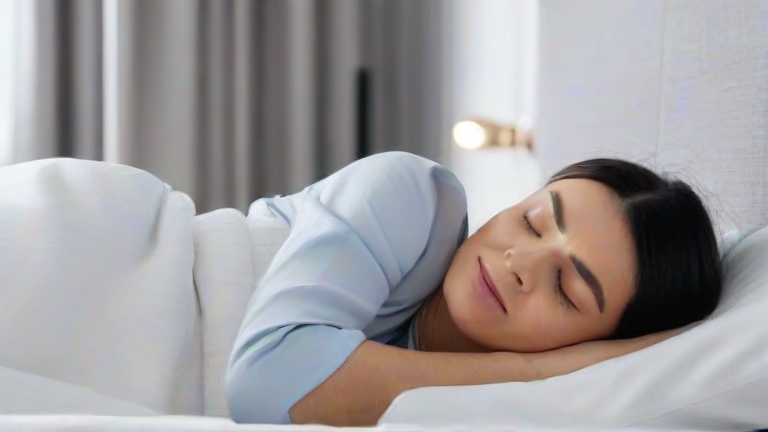
Sleep Tech Goes Mainstream: Everyday Sleep Optimization
TL;DR: Sleep technology has transitioned from niche biohacking tools to essential consumer electronics, with the global market projected to exceed $10 billion by 2025. This shift is driven by affordable AI-driven wearables and smart home integrations that provide actionable daily insights for average users, not just athletes.
The landscape of sleep optimization has fundamentally changed in the last three years. What was once the exclusive domain of elite athletes and tech enthusiasts is now a standard feature in modern bedrooms. The democratization of sleep tech is evident in sales figures; according to recent industry reports, smart mattress sales grew by 42% year-over-year, while wearable sleep trackers saw a 35% increase in adoption among non-athletic demographics. This surge indicates a broader cultural shift toward preventative health, where consumers view rest as a performance metric akin to fitness or nutrition.
If you want to dig deeper, check out our guide on How Circular Supply Chains Are Reshaping Modern Manufacturin.
Market Dynamics and Consumer Behavior
The market is no longer defined solely by high-end, expensive devices. Instead, competition has moved toward integration and accessibility. Major players like Apple, Fitbit, and Samsung have embedded sophisticated sleep staging algorithms into their general-purpose wearables. Meanwhile, dedicated sleep startups are focusing on non-wearable solutions, such as smart mattresses that adjust firmness and temperature in real-time, and acoustic devices that use soundscapes to guide users through sleep cycles. Data from the Consumer Technology Association suggests that 60% of smart home buyers now consider sleep optimization a primary reason for purchasing connected devices. This trend highlights a critical shift: sleep is no longer viewed in isolation but as a central pillar of holistic health management, interconnected with stress levels, physical activity, and mental well-being.
Experts in digital health note that the value proposition has shifted from data collection to data interpretation. Early devices merely logged hours of sleep, which often led to “orthosomnia,” or an unhealthy obsession with perfect scores. Modern platforms now employ machine learning to contextualize data. For instance, a device might notice a user is sleeping less but feeling more energetic due to improved sleep quality, advising them to maintain their current routine rather than forcing a longer duration. This nuanced approach reduces anxiety and promotes sustainable habits. Dr. Elena Ross, a sleep scientist at the University of California, San Francisco, notes, “The next frontier is not measuring sleep, but understanding its impact on next-day cognitive function and emotional regulation. We are moving from passive monitoring to active, personalized intervention.”
Future Predictions and Industry Outlook
Looking ahead, the integration of sleep tech with other health domains will accelerate. We expect to see deeper interoperability between sleep trackers and continuous glucose monitors, as researchers uncover the bidirectional relationship between blood sugar levels and sleep quality. Additionally, AI-driven predictive analytics will likely allow devices to anticipate sleep disruptions before they occur. For example, if a user’s stress biomarkers indicate high cortisol levels in the afternoon, the system could automatically adjust evening lighting and temperature settings in the home to facilitate earlier sleep onset.
The market is also poised for expansion into commercial spaces. Hotels and corporate offices are beginning to adopt sleep tech to enhance guest experience and employee productivity. By 2026, it is predicted that 20% of luxury hotel rooms will feature integrated sleep optimization systems. Furthermore, privacy regulations will play a crucial role in shaping the industry. As sleep data becomes more granular and sensitive, compliance with strict data protection standards will become a key differentiator for brands. Consumers will demand transparency on how their biometric data is used, favoring companies that offer local data processing and robust encryption. Ultimately, sleep tech is becoming a foundational utility, much like climate control or lighting, essential for maintaining peak human performance in an increasingly demanding world.
FAQ
Q: Is sleep tech only for people with insomnia?
A: No, sleep tech is beneficial for anyone looking to optimize their health. While it is useful for diagnosing sleep disorders, its primary mainstream use is for healthy individuals seeking to improve sleep quality, consistency, and overall daytime energy levels.
Q: How accurate are consumer-grade sleep trackers compared to
Leave a Reply