
TL;DR: Smart home devices now seamlessly integrate with electric vehicles through standardized communication protocols like ISO 15118, allowing for unified energy management. This integration enables users to optimize charging costs and grid interaction directly from their home automation dashboards.
The Convergence of Energy and Mobility
The automotive and home automation industries are undergoing a historic merger. Historically, electric vehicle (EV) charging was an isolated activity, often requiring separate apps and manual interventions. Today, however, the rise of the “energy internet” has connected your garage to your living room. Major tech giants and automotive manufacturers are collaborating to create ecosystems where a Tesla, a Smart Thermostat, and a solar inverter communicate in real-time. This synergy is not merely a convenience feature; it represents a fundamental shift in how consumers manage energy consumption and costs.
If you want to dig deeper, check out our guide on Sustainable Fashion Powered by Bio-Based Materials.
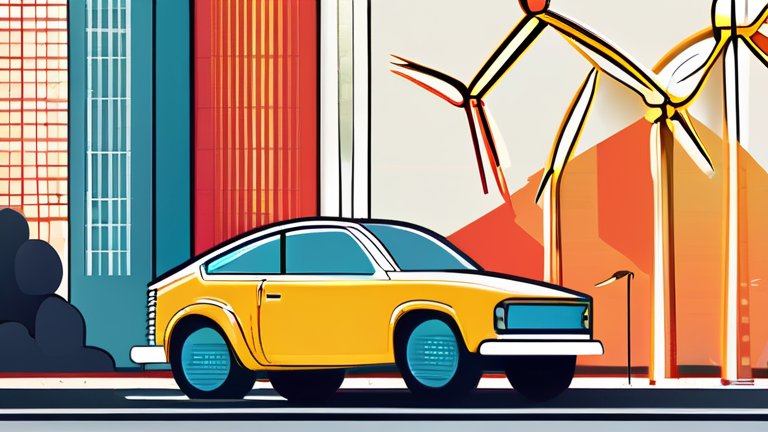
From a market analysis perspective, the global smart home market is projected to reach $174 billion by 2027, with EV integration being the fastest-growing segment. Consumers are increasingly demanding holistic solutions that reduce carbon footprints and utility bills. The strategy insight here is clear: companies that offer interoperability rather than walled gardens will capture the majority of market share. Businesses are moving away from proprietary lock-in models toward open standards like Matter, ensuring that a user’s choice of EV charger does not limit their smart home device options.
Real-World Applications and Case Studies
Consider the case study of a major European energy provider that partnered with a leading EV manufacturer. By integrating their charging infrastructure with home solar systems, they enabled “smart charging” features. During peak sunlight hours, the home system automatically prioritizes solar energy for the EV, storing excess power in the vehicle’s battery rather than selling it back to the grid at lower rates. This reduces the user’s electricity bill by up to 30% while stabilizing local grid demand.
Another notable example involves a North American tech company that developed a unified dashboard. Users can schedule charging sessions based on real-time electricity pricing signals received from their home hub. If prices spike, the system delays charging until off-peak hours, automatically adjusting the EV’s charge schedule without user intervention. This level of automation transforms the EV from a passive consumer of energy into an active participant in the energy grid.
As these technologies mature, the boundary between the vehicle and the home will continue to blur. For investors and industry leaders, the opportunity lies in building robust, secure, and user-friendly platforms that facilitate this seamless interaction. The future of mobility is not just about electric powertrains; it is about intelligent, connected ecosystems that optimize every watt of energy used.
FAQ
Q: What is the primary benefit of integrating smart home devices with EVs?
A: It allows for automated, cost-effective charging by optimizing energy use based on real-time electricity prices and home solar production.
Q: Which protocol enables this seamless communication?
A: Standards like ISO 15118 and the newer Matter protocol facilitate secure, interoperable communication between EVs and smart home hubs.
Q: How does this integration affect grid stability?
A: Smart charging helps balance load by shifting energy consumption to off-peak hours, reducing strain on the grid during peak demand times.
Leave a Reply