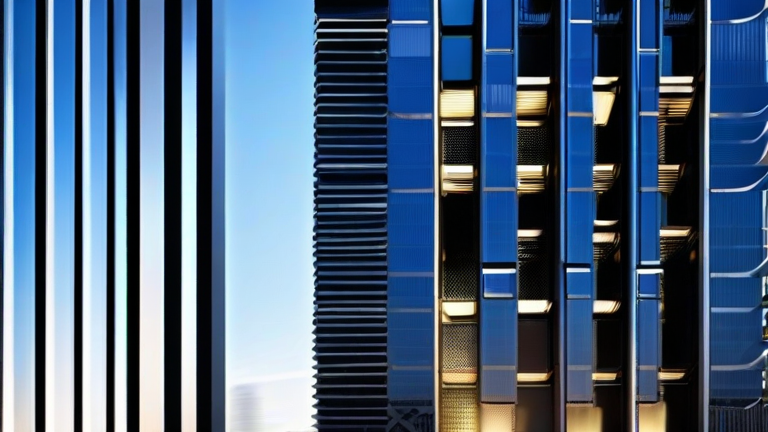
TL;DR: Yes, by integrating photovoltaic cells directly into building envelopes, solar glass facades convert entire skyscraper surfaces into vertical power generators. Recent breakthroughs in transparent thin-film technology and tandem perovskite-silicon cells now achieve 20%+ efficiency while maintaining architectural aesthetics, making high-rise energy self-sufficiency a commercial reality.
The Race to Transparent Power
For decades, solar glass was a niche curiosity—tinted, low-efficiency, and visually unappealing. That changed in 2024-2025. The latest generation of building-integrated photovoltaics (BIPV) uses ultra-thin copper indium gallium selenide (CIGS) layers, just 1-2 micrometers thick, deposited on tempered glass. These panels now hit 18-22% module efficiency, rivaling traditional rooftop silicon. Critically, visible light transmission (VLT) has climbed from 10% to over 40% for semi-transparent variants, meaning offices no longer feel like caves. Companies like Onyx Solar and Polysolar now offer custom color tuning and gradient opacity, allowing architects to create dynamic “solar skin” patterns without blocking views.
If you want to dig deeper, check out our guide on Kubernetes PQC Migration: Adopting Dilithium and Kyber.
Specs That Matter: Efficiency, Heat, and Weight
The key metric is no longer just watts per square meter—it’s energy yield per kilogram of façade. Modern solar glass units weigh only 25-35 kg/m², comparable to standard double-glazed panels, and integrate directly into curtain wall systems. Advanced low-emissivity coatings reflect infrared heat, reducing HVAC loads by up to 15% while generating electricity. For high-rise applications, manufacturers now offer laminated solar glass with PVB interlayers, providing safety-glass certification (EN 12600) and sound insulation. A standout spec: bifacial cells in glass-glass modules capture reflected light from neighboring buildings, boosting output by 8-12% in dense urban canyons. Temperature coefficient is critical—standard cells lose efficiency in heat, but new perovskite-on-silicon tandem cells maintain 85% performance at 65°C, ideal for sun-exposed towers.
Industry Impact: From Niche to Mainstream
The construction sector is waking up. In 2024, BIPV installations in commercial high-rises grew 47% year-over-year, driven by tightening EU Energy Performance of Buildings Directives and U.S. local laws like New York’s Local Law 97. Major glass giants—Saint-Gobain, AGC, and NSG—have pivoted production lines to dedicated solar façade products. More importantly, the cost curve has broken: solar glass now averages $70-90 per square meter, down from $150 in 2020, making it competitive with premium architectural glass alone (without counting electricity savings). Skyscrapers like Salesforce Tower in San Francisco and the Edge in Amsterdam have pioneered full-façade integration, with the latter generating 25% of its annual energy from its glass skin. The industry impact extends to energy storage—building-integrated batteries are now paired with solar glass to shave peak demand, turning towers into grid flexibility assets. As embodied carbon regulations tighten, solar glass also earns carbon credits for offsetting upstream emissions during operation.
FAQ
Q: Does solar glass reduce natural daylight inside the building?
A: Modern semi-transparent variants allow 40-50% visible light transmission, comparable to standard low-E glass. Fully transparent versions exist but sacrifice efficiency (10-12%), so most commercial projects opt for a hybrid façade with clear glass in lower floors and solar glass above.
Q: How long does solar glass last compared to regular glass?
A: Laminated solar glass modules have a 25-30 year lifespan with power output warranty (typically 80% of initial capacity after 25 years). The glass itself is tempered and meets same durability standards as standard curtain wall units, including hurricane and impact testing.
Q: What is the payback period for a solar glass façade?
A> For a 50-story tower in a sunny climate, payback ranges from 7-12 years,
Leave a Reply