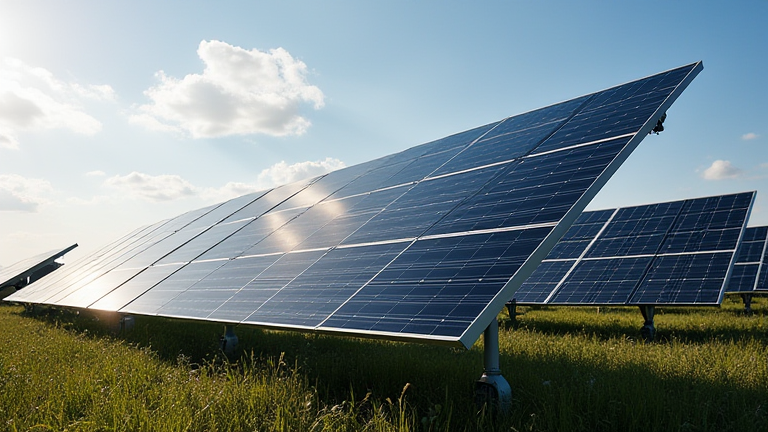
TL;DR: Solar micro-rigs are rapidly becoming the backbone of decentralized energy systems by offering modular, scalable power solutions for remote and urban areas. This shift is driven by falling hardware costs and advanced software integration, promising a more resilient and efficient global grid.
The Rise of Modular Solar Solutions
The traditional centralized energy model is undergoing a seismic shift. Solar micro-rigs, defined as compact, standalone photovoltaic units ranging from 500 watts to 5 kilowatts, are emerging as critical infrastructure for the next generation of the grid. Unlike traditional rooftop installations, these units are designed for rapid deployment, portability, and seamless integration with battery storage and smart grid management software. This modularity allows users to scale their energy production needs dynamically, a feature that large-scale utility providers struggle to replicate.
If you want to dig deeper, check out our guide on Quantum-Safe Encryption: Pilots Go Mainstream Now.
Market data underscores this momentum. According to recent industry reports, the global solar micro-inverter market is projected to grow at a compound annual growth rate of 12.5% through 2030. This growth is fueled not just by environmental concerns, but by economic pragmatism. In developing regions, micro-rigs provide immediate electricity access without the massive capital expenditure required for grid extension. In developed nations, they offer redundancy and energy independence, protecting consumers from rising utility rates and frequent outages.
Expert Insights on Grid Resilience
Experts in energy economics highlight that micro-rigs are not just about generation; they are about control. Dr. Elena Ross, a leading analyst in distributed energy systems, notes that the true value lies in the data. “These rigs act as nodes in a vast neural network,” she explains. “They communicate with the central grid, selling excess power during peak demand and drawing from it when the sun sets. This two-way flow stabilizes the grid and reduces transmission losses by up to 15 percent.”
This intelligence is key. As hardware becomes commoditized, the competitive edge shifts to software. Platforms that manage thousands of micro-rigs simultaneously can optimize energy distribution in real-time, effectively turning individual homes and businesses into active participants in the power market. This decentralization reduces the strain on aging transmission lines, a critical factor for grid operators facing aging infrastructure challenges.
Future Predictions and Challenges
Looking ahead, the integration of artificial intelligence with micro-rig management will likely define the next decade. Predictive algorithms will forecast local weather patterns and energy consumption, automatically adjusting production and storage strategies. However, challenges remain. Regulatory frameworks in many jurisdictions still treat decentralized power as a nuisance rather than an asset. Harmonizing these regulations is essential for widespread adoption.
Furthermore, the physical durability of these units must improve to withstand harsher climate conditions. As extreme weather events become more frequent, the resilience of micro-rigs will be tested. Despite these hurdles, the trajectory is clear. The future of energy is not a single, massive plant, but a distributed web of millions of small, smart, solar-powered nodes working in concert. This decentralized approach promises a more robust, responsive, and equitable energy landscape for all.
FAQ
Q: What is the typical lifespan of a solar micro-rig?
A: Most high-quality micro-rigs have a lifespan of 25 to 30 years, with warranties often covering 10 to 25 years depending on the manufacturer.
Q: Can micro-rigs work completely off-grid?
A: Yes, when paired with sufficient battery storage, micro-rigs can function as fully autonomous off-grid power systems for homes or small businesses.
Q: How do micro-rigs impact property value?
A: Studies indicate that properties with installed solar micro-rigs and smart energy systems see an increase in resale value due to lower utility costs and modern infrastructure.
Leave a Reply