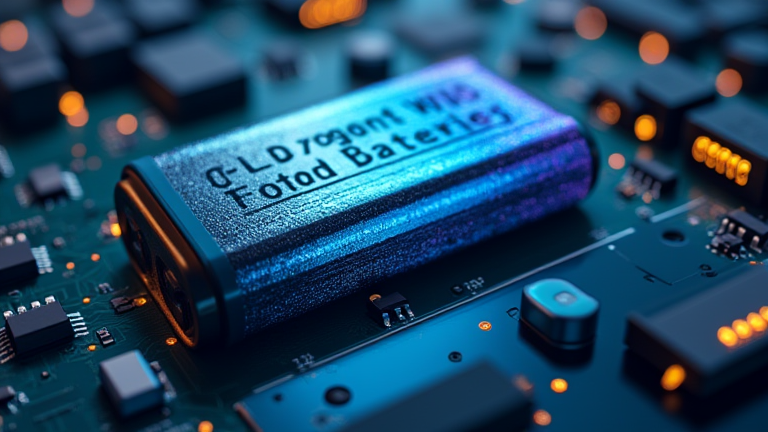
TL;DR: The mass production of solid-state batteries has officially begun, marking a pivotal shift from laboratory curiosity to industrial reality. This breakthrough promises to revolutionize daily life by enabling electric vehicles with unprecedented range and smartphones that charge in minutes, fundamentally altering how we travel, consume energy, and interact with technology.
The New Rhythm of Mobility
For decades, the promise of the solid-state battery has been the holy grail of the energy sector. Unlike traditional lithium-ion batteries that rely on liquid electrolytes, these new cells use solid materials, offering higher energy density, faster charging, and significantly improved safety. The transition from pilot lines to mass production is not merely an engineering milestone; it is a cultural and lifestyle inflection point. We are moving away from the anxiety of range and the ritual of waiting for a charge, toward a seamless integration of power into our daily routines.
Imagine a world where the concept of “charging stops” for electric vehicles becomes obsolete. With energy densities potentially doubling that of current lithium-ion tech, a single charge could easily propel a family sedan across a state line or even across a country. For the modern traveler, this means the freedom to explore remote destinations without the tether of a power grid. The car is no longer a compromise between performance and practicality; it is a true vessel for adventure. The psychological burden of planning a route around charging stations dissolves, replaced by the simple joy of the open road.
Food, Culture, and the Instant Charge
The impact extends far beyond the driveway. In the realm of personal electronics, the ability to charge a smartphone from zero to eighty percent in under ten minutes changes the rhythm of our lives. We no longer plan our day around finding a power outlet. This speed allows for a more spontaneous engagement with culture and food. Whether you are navigating a bustling night market in Tokyo or capturing the sunset at a coastal cliff in Portugal, your devices remain ready. The friction of downtime is removed, allowing for deeper immersion in the present moment.
Culturally, this shift reflects a broader move toward efficiency and sustainability. As solid-state batteries become mainstream, the environmental footprint of electronics and transportation shrinks. The “green” choice becomes the default, not a compromise. This cultural shift encourages a lifestyle that values longevity and reliability. We begin to design our habits around sustainable technologies, understanding that the most eco-friendly option is often the most convenient. The stigma of electric vehicles or e-waste diminishes as performance matches and exceeds traditional alternatives.
Personal Growth Through Technological Freedom
On a personal growth level, this technological leap grants us autonomy. The constraints of battery life have historically dictated our behavior, limiting how long we can stay out, how far we can go, and how much we can create on the move. Solid-state batteries break these chains. They empower individuals to take on larger projects, travel farther, and remain connected without the constant anxiety of a dying indicator. This freedom fosters a sense of empowerment and confidence. We are no longer limited by the hardware we carry but are freed to explore our potential. The technology recedes into the background, allowing human experience to take center stage.
FAQ
Q: When will solid-state batteries be available in consumer cars?
A: While mass production is beginning, widespread consumer availability in standard vehicles is expected within the next two to three years, starting with premium models.
If you want to dig deeper, check out our guide on One Employee + AI Matched 2-Person Team in Workplace Study.
Q: Are solid-state batteries safer than current lithium-ion batteries?
A: Yes, they are inherently safer because they eliminate the flammable liquid electrolyte, significantly reducing the risk of thermal runaway and fire.
Q: Will the cost of solid-state batteries be higher initially?
A: Initial costs may be higher due to new manufacturing processes, but economies of scale are expected to bring prices down to compete with lithium-ion batteries within five years.
Leave a Reply