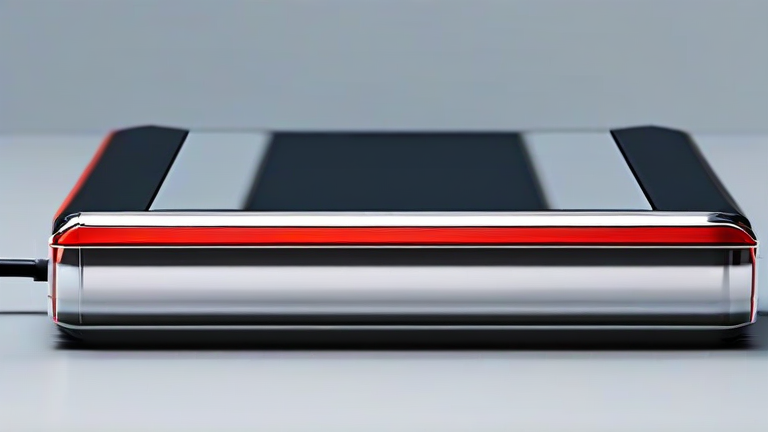
Solid-State Batteries: Revolutionize EV Charging Speed
The electric vehicle (EV) market is currently standing at a critical inflection point. While adoption rates are soaring, consumer anxiety regarding range and charging times remains the primary barrier to mass mainstream acceptance. Traditional lithium-ion batteries, the current industry standard, have hit a theoretical ceiling in terms of energy density and thermal stability. However, a new contender is emerging from the laboratory into the production line: solid-state batteries. This technology promises to not just incrementally improve performance, but to fundamentally revolutionize the user experience by drastically reducing charging times and enhancing safety.
At its core, the difference lies in the electrolyte. Traditional EVs use liquid electrolytes that are prone to leakage, flammability, and degradation over time. Solid-state batteries replace this liquid with a solid material, such as a ceramic, glass, or polymer. This simple substitution yields profound benefits. The most immediate impact is on charging speed. Because solid electrolytes can withstand higher voltages and temperatures, they allow for faster ion flow without the risk of thermal runaway. Industry projections suggest that vehicles equipped with solid-state technology could achieve an 80% charge in under ten minutes, a timeframe comparable to filling a gas tank. This efficiency would effectively eliminate range anxiety, making long-distance travel as convenient as it is today with internal combustion engines.
If you want to dig deeper, check out our guide on NFTs Evolve Into Verified Digital Identity Keys.
Market data supports the urgency of this transition. According to recent reports from major automotive research firms, the global solid-state battery market is expected to grow at a compound annual growth rate (CAGR) of over 30% through 2030. Major players like Toyota, Samsung SDI, and QuantumScape are investing billions into R&D, with several companies targeting limited commercial releases by 2025 and broader availability by 2027. The financial stakes are incredibly high; as governments worldwide enforce stricter emissions regulations, automakers must offer superior EV performance to maintain market share. A battery that offers twice the range of current models at a comparable weight would give early adopters a significant competitive advantage.
Expert insights highlight that the challenge is not just scientific, but
Leave a Reply